A Compelling Hook:
Imagine transforming a dull old fence into a vibrant showpiece in half the time it’d take with a brush—and with smoother, more professional-looking results. That’s the power of the best paint sprayer. Whether you’re refreshing your deck, reviving your kitchen cabinets, or tackling a full home renovation—spray painting saves effort, cuts the time, and endures better. But with so many models—from handheld HVLP sprayers to heavy-duty airless paint guns—how do you zero in on the right one?
This guide walks you through the top-rated options, defines the key features to consider, and answers your most pressing questions. No fluff—just smart, SEO-friendly insight that helps you choose wisely and achieve stellar results.
Why Readers Love Paint Sprayers: Benefits at a Glance
- Speed: Paint sprayers can be 2–3× faster than using a roller or brush, especially for large surfaces like fences or walls.
- Even Coat: They deliver fine mist layers, avoiding streaks or brush marks—ideal for smooth finishes and large area coverage.
- Versatility: Many sprayer types can handle thin latex, primers, stains, varnishes, or even thicker coatings with proper thinning.
- Reach & Accessibility: Sprayers excel at getting into tricky corners, latticework, and ornate details that traditional methods struggle with.
- Professional Finish at Home: With adjustable spray tips and settings, even DIYers can mimic pro-grade results.
Decoding the Types of Paint Sprayers
Here’s a concise rundown of the most common models, their strengths, and best-use scenarios:
- HVLP (High Volume, Low Pressure)
- Ideal for: Cabinets, furniture, fine trim, indoor use
- Pros: Low overspray, smooth finish, better control
- Cons: Slower output, needs thinning, less suitable for exterior walls
- Airless Paint Sprayers
- Ideal for: Large exterior surfaces, decks, siding, fences
- Pros: Super-fast coverage, good for thick coatings like exterior paint
- Cons: More overspray, learning curve, requires heavier-duty prep
- Compressed Air Sprayers
- Ideal for: Automotive jobs, industrial finishes
- Pros: Incredible finish quality
- Cons: Expensive, complex, overkill for most home DIYers
- Electric Airless Sprayers
- Ideal for: Home exteriors, wallpaper paste, heavy-duty tasks
- Pros: Great power, mobile, handles unthinned paint
- Cons: Heavy, bulky clean-up, significant overspray
- Mini Spray Guns
- Ideal for: Touch-ups, hobby projects, small jobs
- Pros: Compact, economical
- Cons: Lower capacity and coverage
Your user intent likely involves wanting a sprayer that balances performance, ease, and value. Let’s explore what features matter most—and which models shine.
What to Look for in the Best Paint Sprayer — Feature Checklist
To optimize your selection and SEO-friendly readability, here’s what to look for—without packing keywords in awkward places:
- Spray Pattern Width & Adjustability: Ability to switch between horizontal, vertical, or round spray patterns improves efficiency and precision.
- Tip Sizes and Compatibility: Different tip sizes cater to different materials—e.g. 0.015-0.021” for stains, 0.017-0.021” for latex paint.
- Flow Rate & PSI (Pressure): Airless sprayers often rate flow in gallons per minute (GPM) and pressure—higher for thick paints, lower for detail work.
- Ease of Cleaning: Removable parts, reversible tips, and leak-resistant valves make cleanup much simpler.
- Portability & Weight: For exterior siding, lighter units or those with rotatable handles reduce fatigue.
- Noise & Overspray Control: HVLP systems tend to be quieter—great for indoor or neighbor-sensitive areas.
- Tank vs. Hose Feed: Small paint containers are portable; hose-fed systems handle larger volumes but need more prep and extension hoses.
Top Picks — Labor-Tested Best Paint Sprayer Recommendations
- Best Overall: Moderate-Duty Electric Airless for Versatility
- Why it stands out: Combines speed, power, and adaptability for most DIY projects. Handles unthinned paint and boasts adjustable pressure for controlling overspray.
- Use-cases: Living room walls, exterior fences, sizable trim jobs.
- Best for Fine Finish: HVLP Detail Sprayer
- Why it shines: Liquid-smooth, ultra-precise finish—perfect for furniture, cabinets, and trim work.
- Use-cases: Repainting kitchen cabinetry, refurbishing wood furniture, crafting.
- Best Budget Mini-Spay Option
- Why it’s notable: Compact, affordable, and great for quick touch-ups or décor projects.
- Use-cases: Small home décor, quick craft paint touches, narrow areas like spindles or posts.
- Best for Exterior Walls: High-Power Commercial Airless
- Why choose it: Serious volume output, powerful motor, ideal for painting siding and fences at high speed.
- Use-cases: Full exterior repaints, large decks, big industrial-style projects.
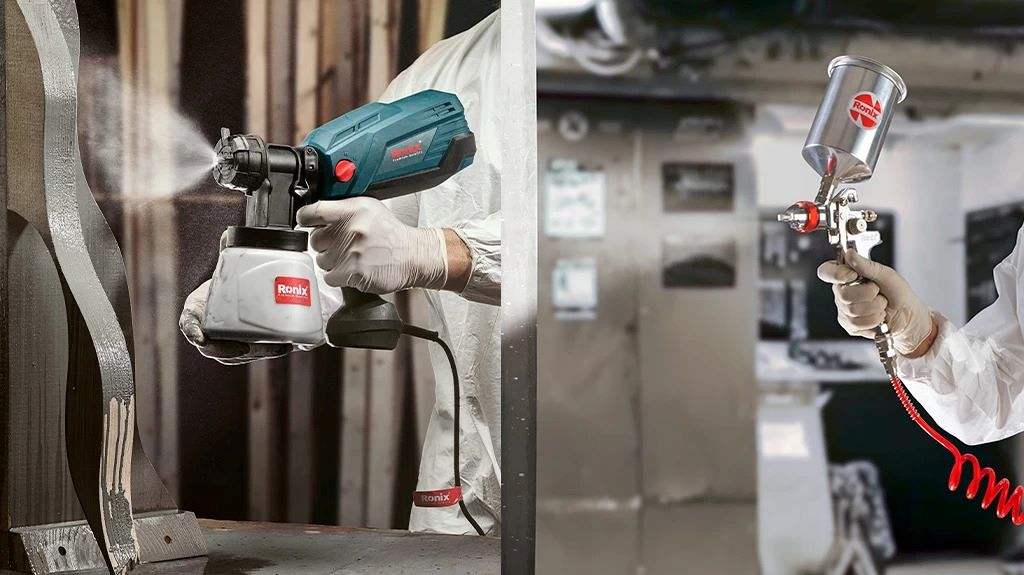
Side-by-Side Comparison: What Each Excels At
| Sprayer Type | Best For | What It Excels At | Caution |
| HVLP (detail work) | Cabinets, trim, indoor décor | Smoother finish, low overspray | Thinning required, slower on big areas |
| Electric Airless | Home interiors, exteriors | Fast coverage, thick paint capability | Heavy, more overspray; takes practice |
| Mini Handheld | Small projects, fuss-free use | Affordable, easy to learn | Low capacity, not ideal for large surfaces |
| Heavy-Duty Airless | Siding, decks, fences | Maximum power and output speed | Bulky, harder to clean, more waste |
How to Use Your Paint Sprayer Like a Pro
- Prep the Surface: Clean, sand, and mask edges. Even minor debris can ruin a finish with a sprayer.
- Thin the Paint Properly: Follow manufacturer’s guidance—thin too much and you compromise coverage; too little and the nozzle clogs.
- Practice on Scrap First: Test spray pattern and pressure on cardboard or scrap wood to dial in consistency.
- Maintain Even Motion: Keep the nozzle 6–12 inches from the surface and move steadily—overlapping by about 50% for uniform coats.
- Clean Immediately: Even small dried bits can wreck your nozzle—flush with water or solvent right after use.
FAQ — Quick Answers for Paint Sprayer Buyers
Q: Can I use all paint types in my sprayer?
A: Not always. HVLP models usually require thinner paints (like latex thinned to manufacturer specs), while airless sprayers handle thicker coatings. Always check compatibility in the product manual.
Q: Should I buy or rent a paint sprayer?
A: It depends. For one-time large projects, renting a high-end airless unit may be more cost-effective. But for regular projects, investing in a reliable sprayer delivers long-term value.
Q: How do I minimize overspray and waste?
A: Use the right tip size, lower pressure settings, spray closer (about 6–8 inches), and mask off neighboring areas. Practice tracking your spray speed and distance.
Q: HVLP vs. Airless — which is better for indoors?
A: HVLP is generally better for indoor tasks owing to finer spray and less overspray. Airless is powerful, but better suited outdoors unless you have excellent ventilation and masking.
Q: How often should I clean my paint sprayer?
A: Always clean it immediately after each use. For frequent users, deep-clean every few sessions by disassembling nozzles and flushing thoroughly.
Bringing It All Together: A Smart Selection Strategy
- Define the Project: What are you painting—furniture, cabinets, fences, walls, or crafts?
- Prioritize Finish vs. Speed: Fine detail? Go HVLP. Massive coverage? Airless.
- Consider Frequency: For recurring use, invest in quality; for one project, rental or budget model may suffice.
- Plan for Prep and Cleanup: Choose a model with easy disassembly and cleaning features to preserve the sprayer’s lifespan.
Final Thoughts & Clear Call to Action
Choosing the best paint sprayer isn’t just about price or specs—it’s about matching the tool to your actual painting goals and comfort level. Whether you’re revitalizing antique furniture, coating a new fence, or freshening your home exterior, the right sprayer not only saves you time but elevates the quality of your finish.
Related Topics:
Types of Chemicals Found in Factory Environments
Solicitor v Barrister: The Differences