
Key Takeaways
- Regularly assess your insurance needs as your life circumstances and goals evolve.
- Identify which types of insurance are most relevant and valuable at each central life stage.
- Leverage professional guidance to tailor policies for your individual household or financial situation.
- Stay proactive with regular policy reviews, especially after significant life events.
Understanding your insurance needs can be challenging, especially as your goals and responsibilities evolve. Choosing the right plan is essential to protect both your finances and well-being. Working with an experienced insurance agent can help you navigate the different policies and ensure you’re effectively covered, no matter where you are in life. Each stage brings new risks and priorities, emphasizing the importance of regularly reviewing and updating your insurance coverage to match your evolving requirements.
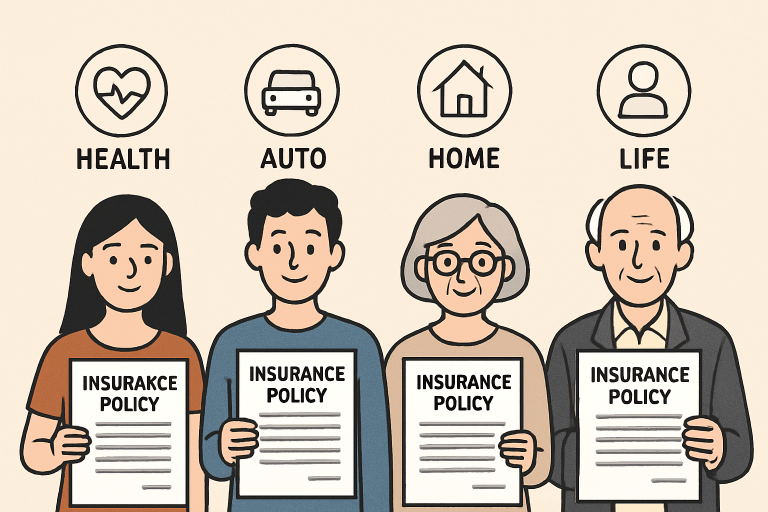
Securing an appropriate insurance portfolio provides peace of mind for both everyday events and sudden emergencies. From starting your career to entering retirement, the right mix of policies lays the foundation for stability and security. It’s essential to address not only personal needs but also family and property concerns as your situation evolves. Consideration of specialized coverage, such as home insurance, can offer additional protection as your assets and investments grow throughout your lifetime.
Young Adults: Laying the Foundation
Your 20s and early 30s represent a period of newfound independence and major milestones—graduating, pursuing careers, and living on your own for the first time. Health insurance is a non-negotiable starting point, as it protects you from high out-of-pocket costs for unexpected illnesses or accidents. Even if you are healthy, preventive care and regular checkups are essential for long-term wellness.
If you drive a vehicle, auto insurance is typically mandatory, but it also provides financial protection in the case of accidents, theft, or bodily injury claims. For renters, renters’ insurance is an affordable way to safeguard your personal belongings from risks such as fire, theft, or water damage, and it also includes liability coverage in case someone is injured in your apartment or rental home.
Disability insurance often goes overlooked by young adults, but it’s critical for protecting your future income should you get sick or injured and can’t work for a period of time. Locking in coverage when you’re young can secure lower premiums and more extensive coverage options as you move through life.
Midlife: Expanding Responsibilities
Life in your 30s and 40s is often marked by significant commitments, including marriage, raising children, supporting aging relatives, buying a home, and advancing your career. Life insurance, whether term or whole life, ensures your loved ones are financially supported if you pass away unexpectedly. It’s a critical tool for protecting their standard of living, paying off debts, and managing education costs.
For homeowners, a comprehensive policy protects both your primary residence and your personal belongings, providing a crucial safety net against natural disasters, theft, or unforeseen accidents. Family planning may also necessitate upgrading your health insurance to include maternity and pediatric care, which can significantly offset medical costs and provide better coverage for expanding families.
Additionally, as your household expands and driving needs change, revisit your auto insurance coverage to add new drivers or vehicles and ensure you’re fully protected from increased liability risks.
Empty Nesters: Preparing for Retirement
In your 50s and early 60s, priorities shift towards protecting your savings, maintaining health, and planning for potential long-term care needs. Long-term care insurance is particularly valuable, as it helps cover the potentially steep costs of in-home care, assisted living facilities, or nursing homes—expenses not typically included under standard health insurance or Medicare.
As medical needs evolve with age, this stage often requires revisiting and possibly expanding health insurance to accommodate greater usage and more specialized care options. Many find it prudent to review their existing life insurance, reducing coverage if their financial responsibilities have lessened, or maintaining a policy for estate planning or final expenses.
Retirement: Securing Your Legacy
Once retired, health insurance becomes the most crucial form of protection. Transitioning to Medicare—and considering supplemental policies to cover gaps not covered by standard Medicare—can help manage ongoing healthcare costs. Final expense insurance provides peace of mind to loved ones by covering funeral expenses, outstanding bills, and small debts, thereby preventing them from facing difficult financial decisions.
Your insurance portfolio should also be evaluated for relevance: Are life and disability policies still necessary, or are they overlapping with other retirement plans? Consulting with a seasoned financial advisor can help clarify these decisions and ensure that your strategy aligns with your lifestyle and long-term goals.
Regular Policy Reviews: Staying Current
Major life events, such as marriage, having children, starting a new business, or experiencing health changes, trigger the need for policy reviews. Adjusting your coverage guarantees it remains cost-effective and sufficient to address your current risks. Establish an annual review with your insurance agent, and update your coverage as your responsibilities and risks evolve.
Consulting Professionals: Personalized Guidance
The insurance landscape can be complex, with different policies, coverage levels, and fine print to consider. Rely on trusted insurance agents and financial advisors to develop a strategy tailored to your unique combination of career, health, family, and economic situation. Their expertise ensures that you’re not over- or under-insured, but thoroughly protected as your needs change over time.
Conclusion
Every stage of life brings new challenges and opportunities. By regularly reviewing your insurance needs, working closely with experienced professionals, and adjusting coverage as life changes, you can ensure ongoing financial protection and peace of mind for you and your loved ones. Take proactive steps now—your future self will thank you.