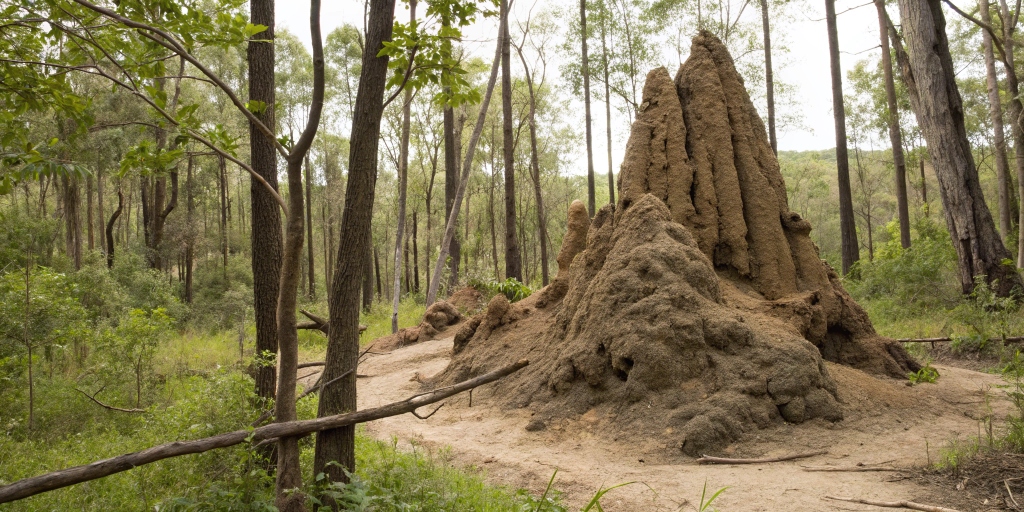
Termites are one of the most fascinating and economically significant insect groups, known primarily for their role in decomposing wood and plant material. However, their ecological functions extend far beyond mere decomposition. Understanding the ecology of termites is crucial for devising effective strategies to control their populations, particularly in urban areas where they can cause significant structural damage.
The Role of Termites in Ecosystems
Termites are often referred to as “ecosystem engineers” due to their ability to modify the environment. They play a critical role in nutrient cycling by breaking down cellulose in dead wood and plant matter, thereby enriching the soil and facilitating plant growth. Their tunneling activities also enhance soil aeration and water infiltration, which are beneficial to plant roots.
In natural ecosystems, termites contribute to the carbon cycle by decomposing organic material and releasing carbon dioxide into the atmosphere. This process is essential for maintaining the balance of carbon in the environment. Moreover, termites serve as a food source for a variety of predators, including birds, reptiles, and mammals, thereby supporting biodiversity.
Termite Behavior and Social Structure
Termites are social insects, living in colonies that can range in size from a few hundred to several million individuals. Each colony is organized into a complex social structure with distinct castes, including workers, soldiers, and reproductives (queens and kings). This social organization is critical to the survival and efficiency of the colony.
Workers are responsible for foraging, feeding other members, and maintaining the nest, while soldiers defend the colony against predators. Reproductives are tasked with ensuring the continuation of the colony. The division of labor and communication among these castes is facilitated by chemical signals known as pheromones, which help maintain colony cohesion and efficiency.
Challenges in Termite Control
Given the ecological benefits termites provide, controlling their populations in environments where they pose a threat requires a nuanced approach. The primary challenge in termite control is their cryptic nature; many species live underground or within the structures they infest, making detection and eradication difficult.
Traditional termite control methods often involve chemical treatments that can have adverse environmental effects. Consequently, there is a growing interest in developing integrated pest management (IPM) strategies that are more sustainable and environmentally friendly. These strategies involve a combination of biological, physical, and chemical methods tailored to specific situations and termite species.
Innovative Approaches to Termite Management
One promising area of research is the use of biological control agents, such as nematodes and fungi, which target termites without harming non-target species. Additionally, advances in understanding termite pheromones and communication have opened new avenues for developing baits and traps that disrupt colony function.
Physical barriers, such as sand and stainless steel mesh, are also effective in preventing termite entry into buildings. These methods, combined with proper construction practices and regular inspections, can significantly reduce the risk of termite infestations.
Conclusion
Understanding termite ecology is essential for developing effective and sustainable control measures. By appreciating their ecological roles and complex social structures, researchers and pest control professionals can devise strategies that minimize damage while preserving ecological balance. For those dealing with pest issues beyond termites, such as rodents, services like Rodent control Huntsville offer specialized interventions to manage and mitigate pest populations effectively.