

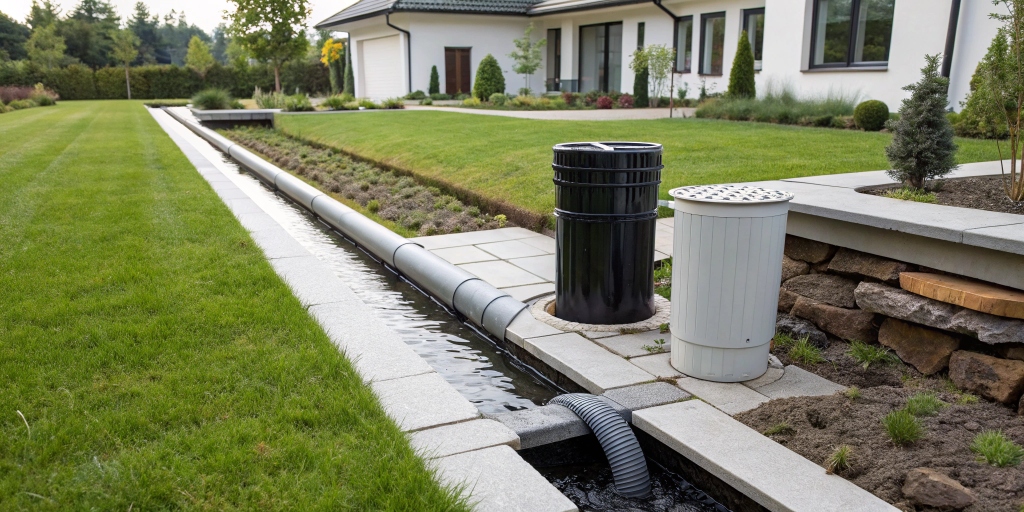
Proper water management on your property is vital to prevent costly issues such as erosion, waterlogging, and even structural damage. Many homeowners are discovering that standard practices do not always address the unique challenges of different landscapes. As a result, modern drainage solutions are gaining popularity, offering more robust, efficient, and sustainable alternatives. Implementing these innovations can help protect your home, preserve your landscaping investments, and contribute to healthier natural surroundings.
Today’s best drainage methods combine traditional know-how with groundbreaking technology to achieve greater effectiveness and longevity. Whether you are dealing with frequent heavy rains or managing routine garden runoff, an advanced drainage system can significantly improve the performance and appearance of your outdoor spaces.
As new materials and technologies continue to emerge, property owners have access to a wide variety of solutions suitable for everything from suburban lawns to urban developments. Beyond just moving water away from foundations, these strategies address ecological sustainability and ongoing property health.
At the same time, property irrigation systems remain just as important for healthy landscapes. Proactive maintenance and timely irrigation repair help ensure your plants receive the water they need while avoiding wasteful leaks or malfunctions.
French Drains: Modern Materials and Techniques
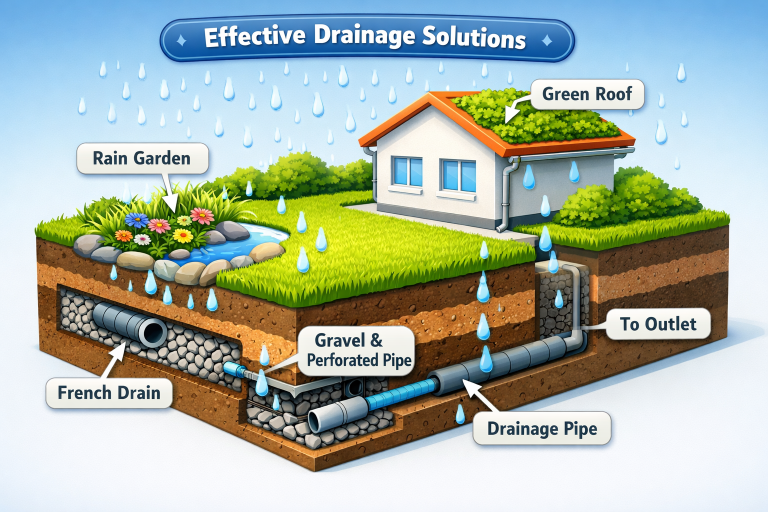
French drains have been used for decades to guide water away from vulnerable foundations and direct it to appropriate runoff areas. Recent advancements have led to the use of high-density polyethylene (HDPE) perforated pipes, which offer substantially greater drainage capacity than their traditional PVC counterparts. Alongside these, geotextile filter fabrics now block up to 95% of soil particles, greatly minimizing the risk of clogs. When installed correctly, at least 12 inches below the foundation surface, and set with a minimum 2% slope, these systems can last up to 30 years and provide reliable performance in preventing moisture-related damage. For more detailed guidance on installation and benefits, resources such as the Better Homes & Gardens guide to French drains offer useful insights for property owners.
Rain Gardens: Beautiful and Functional
Rain gardens offer dual advantages by turning stormwater runoff into a feature that both manages excess water and adds beauty to the landscape. These gardens feature deeply rooted native plants, such as purple coneflower and black-eyed Susans, which significantly improve soil permeability, absorbing about 30% more water than conventional lawns. As water percolates through the garden, pollutants are naturally filtered and prevented from entering local waterways. In turn, this reduces surface erosion and supports healthy ecosystems adjacent to your property.
Permeable Paving: Enhancing Water Infiltration
Permeable paving is gaining traction in both urban and residential settings. Rather than directing water toward standard storm drains, porous materials such as interlocking concrete pavers or pervious asphalt allow water to seep directly into the ground. This approach helps reduce flooding potential, limits water pooling, and promotes natural groundwater recharge. Cities across the U.S. are beginning to incorporate permeable paving into building codes, as discussed in recent coverage by The New York Times.
Green Roofs: Integrating Drainage with Design
Green roofs represent a sophisticated marriage of landscape and engineering. Vegetation layers applied to rooftops absorb significant rainfall, alleviating strain on gutter and downspout systems. In addition to stormwater management, green roofs enhance energy efficiency, improve urban air quality, and create new leisure spaces. Properly engineered drainage layers beneath the soil prevent roof leaks while ensuring plants thrive in these unique conditions.
Smart Drainage Systems: Data-Driven Water Management
Technology-driven solutions are redefining how water is managed on properties both large and small. Smart drainage systems make use of moisture sensors, wireless controls, and real-time data analysis to fine-tune water diversion based on actual conditions. Automated systems can pre-emptively manage rising water by opening or closing flow gates, sending alerts, or adjusting irrigation schedules. This results in significant savings in maintenance and repair costs while protecting buildings from flooding and optimizing resource use.
Sustainable Drainage Systems (SuDS): Advanced Water Management
SuDS have become notably prominent in new housing and commercial developments. These systems mimic natural water cycles by absorbing, filtering, and gradually redistributing runoff back into the ground. Techniques include infiltration trenches, engineered wetlands, and specialized rainwater harvesting systems. SuDS not only help lower flood risks and boost water quality but also provide long-term resilience to climate extremes. They support broader community efforts to mitigate flooding and enhance neighborhood green spaces.
Tree Root Intrusion Prevention: Innovative Solutions
A frequent issue many homeowners face is the invasion of tree roots into underground drainage pipes. High-pressure water jetting, robotic cutting, and electro-mechanical removal now provide non-invasive, targeted fixes that restore system integrity without extensive excavation. Regular inspections and prompt intervention can minimize both costly repairs and landscape disruption.
Conclusion
Staying ahead of drainage issues involves a proactive mix of technology, updated materials, and smart landscape design. Whether using robust French drains, attractive rain gardens, surface-permeable paving, or intelligent water management systems, each method contributes to a safer, more sustainable property. Taking advantage of current innovations not only helps protect your structures but also fosters a resilient, healthy, and enjoyable landscape for years to come.


