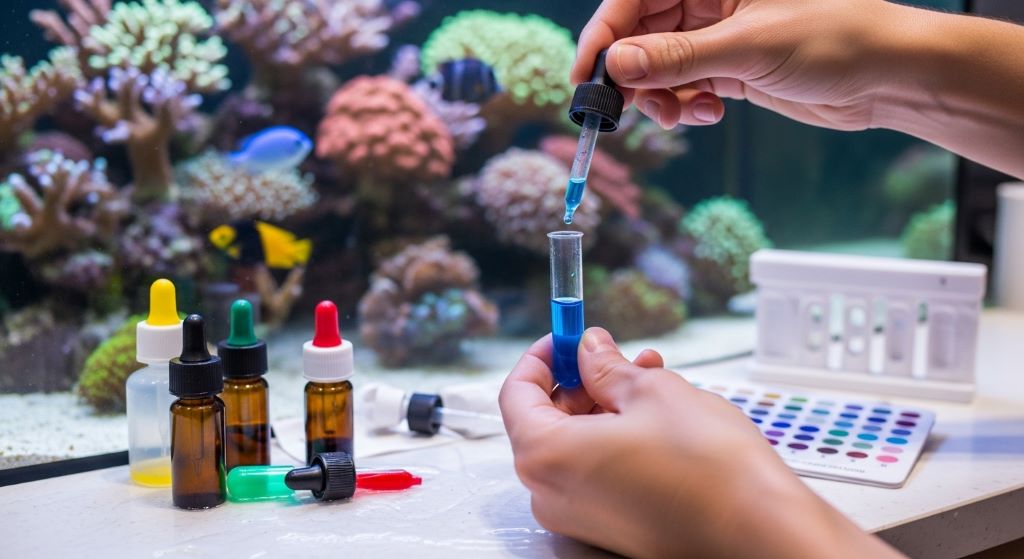
Keeping a reef aquarium brings the beauty of the ocean into your living space. However, maintaining pristine water quality requires dedication, knowledge, and consistent effort. Unlike simple freshwater tanks, reef systems house delicate corals and invertebrates that demand stable conditions to survive and flourish.
Water quality directly determines whether your reef inhabitants will thrive or merely survive. Small fluctuations in chemistry can stress corals, causing them to lose color, stop growing, or even die. Understanding how to maintain optimal conditions separates successful reef keepers from those who struggle with constant problems.
This comprehensive guide will teach you proven strategies for maintaining excellent water quality. You’ll learn practical techniques that work for both beginners and experienced hobbyists. By following these methods consistently, you’ll create a stable environment where your corals display vibrant colors and healthy growth.
Understanding the Nitrogen Cycle
The nitrogen cycle forms the foundation of biological filtration in every aquarium. Beneficial bacteria convert toxic ammonia from fish waste into less harmful compounds. This process runs continuously in healthy tanks, protecting your livestock from poisoning.
Ammonia enters your system through fish excretion, uneaten food, and decomposing organic matter. In even small concentrations, ammonia burns gill tissue and causes severe stress. Fortunately, beneficial bacteria colonize your live rock, sand, and filter media, converting ammonia into nitrite.
Nitrite is also toxic, though slightly less dangerous than ammonia. A second group of bacteria converts nitrite into nitrate, which most marine animals tolerate at moderate levels. However, high nitrate promotes algae growth and can irritate sensitive corals over time.
Therefore, establishing robust bacterial colonies is essential before adding livestock. Cycling your tank properly takes patience but prevents the heartbreak of losing animals to toxic water conditions. Never rush this critical process.
The Importance of Regular Water Changes
Water changes remain the most effective tool for maintaining water quality in reef aquariums. Fresh saltwater removes accumulated waste products, replenishes depleted minerals, and dilutes contaminants that filtration cannot eliminate.
Most reef tanks benefit from changing 10 to 20 percent of their water every two weeks. This schedule balances the benefits of fresh water with the stability that comes from minimal disruption. However, heavily stocked tanks or systems with high nutrient loads may require more frequent changes.
Prepare saltwater at least 24 hours before water changes. Mixing salt in water creates heat and causes pH fluctuations that stabilize given time. Additionally, allowing the mix to circulate with a powerhead ensures complete salt dissolution and proper aeration.
Match the temperature and salinity of your new water to your tank’s current conditions. Large differences stress fish and shock corals. Use a reliable refractometer or hydrometer to verify salinity, and adjust the water temperature to within one degree of your display tank.
Never change more than 25 percent of your water at once unless dealing with an emergency. Large changes alter chemistry too rapidly, potentially harming the very animals you’re trying to protect. Gradual, consistent maintenance trumps dramatic interventions.
Managing Alkalinity and Calcium Levels
Alkalinity and calcium work together to support coral calcification. These related water parameters require careful monitoring and adjustment in most reef systems. Corals constantly consume both elements while building their skeletal structures.
Alkalinity measures your water’s buffering capacity against pH swings. Reef tanks should maintain alkalinity between 8 and 11 dKH, with stability being more important than hitting a specific number. Fluctuating alkalinity stresses corals more than slightly low but stable levels.
Test alkalinity at least twice weekly using a quality test kit. Regular testing helps you detect trends before they become problems. When alkalinity drops, you can supplement through dosing, kalkwasser, or calcium reactors depending on your system’s demands.
Calcium levels should stay between 400 and 450 ppm in reef aquariums. Most salt mixes provide adequate calcium initially, but growing corals deplete it over time. Monitor calcium weekly and supplement as needed to maintain stable levels.
However, avoid chasing perfect numbers at the expense of stability. Coral growth depends more on consistent conditions than achieving textbook parameters. Gradual changes allow corals to adapt, while rapid swings cause stress regardless of the final values.
Controlling Nutrients for Algae Prevention
Nitrate and phosphate fuel nuisance algae growth that can overwhelm reef tanks. While some nutrients are necessary for biological processes, excessive levels create persistent algae problems. Maintaining low but detectable nutrients supports coral health while limiting algae.
Feed your fish appropriate amounts to prevent excess waste production. Overfeeding is the primary cause of elevated nutrients in home fish tank care. Food that fish don’t eat within a few minutes decomposes, adding ammonia to your system.
Use high-quality foods that fish digest efficiently. Better foods produce less waste per feeding, helping you maintain lower nutrient levels. Additionally, varied diets keep fish healthy, reducing disease-related stress that compromises water quality.
Protein skimmers remove organic compounds before they break down into nitrate and phosphate. A properly sized skimmer runs continuously, pulling waste from the water column. Empty the collection cup regularly to prevent waste from returning to your tank.
Consider incorporating macroalgae into a refugium. These beneficial algae consume nitrate and phosphate, naturally reducing nutrient levels. Harvest the macroalgae periodically to permanently remove nutrients from your system.
Optimizing Water Flow and Circulation
Proper water movement prevents dead zones where waste accumulates and oxygen levels drop. Adequate flow also brings food to corals and removes metabolic waste from their tissues. Most reef tanks need 20 to 40 times their water volume in flow per hour.
Position powerheads to create random, chaotic flow patterns. Laminar flow, where water moves in predictable streams, allows debris to settle in low-flow areas. Random flow keeps particles suspended until mechanical filtration removes them.
Clean powerheads monthly to maintain their efficiency. Calcium deposits and algae growth reduce output over time. Soaking pumps in vinegar solution dissolves mineral buildup and restores proper function.
Additionally, ensure surface agitation to promote gas exchange. Stagnant surfaces prevent oxygen from entering the water and carbon dioxide from escaping. A gentle ripple across the entire surface indicates adequate gas exchange.
Avoid creating such strong flow that it blows sand throughout your tank or damages coral tissue. While corals need movement, excessive current causes polyps to remain retracted and can tear delicate tissue.
Temperature Stability and Control
Maintaining stable temperature is crucial for reef health. Most reef organisms thrive between 76 and 78 degrees Fahrenheit. More importantly, temperature should remain consistent within one to two degrees throughout the day.
Invest in a quality heater appropriately sized for your aquarium volume. Undersized heaters run constantly, wearing out prematurely. Oversized heaters can overshoot temperature if they malfunction. Calculate heater size at 3 to 5 watts per gallon for proper capacity.
Use a reliable thermometer to monitor temperature daily. Digital thermometers generally provide more accurate readings than stick-on strips. Place the thermometer away from heaters and return pumps for representative temperature readings.
Consider a chiller if your tank regularly exceeds 80 degrees. High temperatures reduce oxygen levels and stress corals. Additionally, many disease-causing organisms multiply faster in warm water, increasing infection risks.
However, avoid rapid temperature corrections. Gradual adjustments over several hours prevent shocking your livestock. Emergency temperature issues require immediate attention, but routine adjustments should happen slowly.
Maintaining Proper Salinity
Salinity affects every physiological process in marine organisms. Consistency matters more than achieving a specific gravity number. Most reef tanks maintain salinity between 1.025 and 1.026 specific gravity or 35 ppt.
Evaporation causes salinity to rise over time since only pure water evaporates, leaving salt behind. Top off your tank daily with fresh water to replace evaporation and maintain stable salinity. Automated top-off systems eliminate the need for manual additions.
Use a refractometer rather than a hydrometer for measuring salinity. Refractometers provide more accurate readings, though they require calibration with reference solutions. Hydrometers are less expensive but often less precise.
Additionally, temperature affects salinity measurements. Most refractometers are calibrated for specific temperatures, typically 77 degrees Fahrenheit. Measure water at the correct temperature or use temperature compensation if available.
Never add freshwater directly from the tap without treating it first. Chlorine, chloramine, and heavy metals in tap water harm marine life. Use reverse osmosis/deionized water or treat tap water with appropriate conditioners.
The Role of Filtration Systems
Multiple filtration types work together to maintain water quality. Mechanical filtration removes visible particles, biological filtration processes waste products, and chemical filtration targets dissolved compounds. Understanding each type helps you optimize your system.
Mechanical filtration captures debris before it decomposes. Filter socks, sponges, and filter pads trap particles as water flows through them. Clean or replace mechanical media frequently to prevent trapped waste from breaking down and releasing nutrients back into your tank.
Biological filtration happens primarily in live rock and sand. These porous materials house billions of beneficial bacteria that process ammonia and nitrite. Maintain adequate live rock at roughly one to two pounds per gallon for sufficient biological capacity.
Chemical filtration uses activated carbon or other media to remove dissolved organic compounds, medications, and discoloration. Replace carbon monthly for consistent performance. However, avoid over-reliance on chemical filtration as a substitute for proper maintenance.
Therefore, balance all filtration types rather than depending on one method. Comprehensive filtration addresses multiple waste pathways, creating cleaner, more stable water conditions.
Monitoring and Testing Schedules
Regular testing provides early warning of developing problems. Consistent monitoring helps you identify trends before they harm your livestock. Different water parameters require different testing frequencies based on their stability and importance.
Test ammonia and nitrite weekly in new tanks until readings consistently show zero. Established tanks rarely need ammonia or nitrite testing unless problems arise. However, keep test kits on hand for emergency troubleshooting.
Check alkalinity and pH two to three times weekly. These parameters can shift relatively quickly and directly impact coral health. Catching downward trends early allows gentle correction before significant drops occur.
Measure calcium, magnesium, nitrate, and phosphate weekly or biweekly. These parameters change more slowly but remain important for long-term success. Monthly testing suffices for stable, mature systems, though increase frequency when making changes.
Record all test results in a log or app. Written records reveal patterns that individual readings might miss. Additionally, historical data helps you correlate changes in water parameters with livestock health or equipment modifications.
Dealing with Common Water Quality Problems
Even well-maintained tanks occasionally develop water quality issues. Recognizing problems early and responding appropriately prevents minor issues from becoming disasters.
Cloudy water usually indicates bacterial blooms or suspended particles. Bacterial blooms often resolve on their own within a few days as the system rebalances. However, persistent cloudiness suggests overfeeding or inadequate filtration that requires attention.
Brown algae on surfaces typically appears in new tanks as part of the maturation process. Diatoms causing this growth consume silicates and usually disappear naturally. However, in established tanks, brown algae may indicate high nutrients or inadequate lighting.
Green hair algae signals excessive nutrients, particularly phosphate. Reduce feeding, increase water changes, and ensure your skimmer functions properly. Manual removal combined with nutrient control gradually eliminates established algae.
Additionally, rapid pH drops often indicate insufficient buffering capacity. Test and raise alkalinity to stabilize pH. Carbon dioxide buildup from inadequate air exchange can also depress pH, particularly at night.
Conclusion
Maintaining excellent water quality in reef aquariums requires understanding multiple interconnected systems. The nitrogen cycle, nutrient management, and water parameters all work together to create conditions where corals and fish thrive. Consistency and attention to detail matter more than expensive equipment or perfect numbers.
Regular water changes form the backbone of home fish tank care, removing waste and replenishing essential elements. Combine this foundation with proper filtration, adequate flow, and stable temperature for comprehensive water quality management. Test regularly to catch problems early and track long-term trends.
Remember that stability trumps perfection in reef keeping. Gradual changes allow organisms to adapt, while rapid fluctuations cause stress regardless of the final values. Patient, consistent care produces better results than dramatic interventions.
By implementing these strategies and maintaining regular testing schedules, you’ll create an environment where your reef inhabitants display their full potential. Vibrant coral colors, steady growth, and healthy fish behavior all indicate successful water quality management.
Frequently Asked Questions
How often should I test my reef tank water?
Testing frequency depends on your tank’s maturity. New tanks require daily ammonia and nitrite testing until the nitrogen cycle establishes. Mature reef systems need alkalinity testing two to three times weekly, with calcium, nitrate, and phosphate checked weekly. Increase testing frequency when troubleshooting problems or after making significant changes to livestock or equipment.
What causes cloudy water in reef aquariums?
Cloudy water typically results from bacterial blooms or suspended particles. Bacterial blooms often occur after cycling, adding new livestock, or medication treatments. These usually clear within a few days. Persistent cloudiness suggests overfeeding, inadequate filtration, or dead spots with poor circulation. Increase water changes and ensure your mechanical filtration captures particles effectively.
Can I use tap water for my reef tank?
Regular tap water contains chlorine, chloramine, heavy metals, and phosphates that harm marine life and promote algae growth. Use reverse osmosis/deionized water for mixing saltwater and topping off evaporation. If RO/DI water isn’t available, treat tap water with quality conditioners that remove chlorine and bind heavy metals, though this method is less ideal for sensitive reef systems.
Why are my corals losing color?
Coral bleaching or color loss stems from multiple causes including poor lighting, unstable water parameters, temperature stress, or nutrient imbalances. Test alkalinity, calcium, and nutrients to verify stability. Check that your lights provide appropriate spectrum and intensity. Ensure temperature remains stable between 76 and 78 degrees Fahrenheit. Gradual color loss often indicates chronic issues requiring systematic troubleshooting.
How do I lower nitrates in my reef tank naturally?
Reduce nitrates through regular water changes, decreased feeding, and improved nutrient export. Add a refugium with macroalgae that consumes nitrates, harvesting it regularly. Ensure your protein skimmer functions efficiently. Avoid overfeeding by giving only what fish consume within a few minutes. Consider adding live rock to increase biological filtration capacity and create more surface area for beneficial bacteria.
Related Topics:
How to Select Lightweight Golf Stand Bags for Comfortable Walking
Must-Have KitchenAid KPDR Pasta Accessories for Home Chefs