

Key Takeaways
- Modern living spaces prioritize both form and function, creating environments that support productivity, relaxation, and well-being.
- Integrating smart technology enhances convenience and security while allowing homes to adapt to personal routines and preferences.
- Sustainable design choices—such as eco-friendly materials and energy-efficient systems—promote environmental responsibility and long-term cost savings.
- Effective space optimization uses smart furniture and storage solutions to make any home, regardless of size, feel open and efficient.
- Personalizing your living space with meaningful, adaptable elements creates a unique, emotionally resonant environment that evolves with your lifestyle.
In today’s fast-paced world, creating a harmonious living environment plays an integral role in our well-being. A modern living space enhances comfort and fosters productivity and relaxation. Whether you’re exploring luxury San Diego apartments or reimagining your current home, understanding the elements of modern design is essential. It’s not just about aesthetics; it’s about creating an environment that elevates your quality of life, uplifts your mood, and stimulates productivity.
Luxury apartments in San Diego offer stunning ocean views, high-end finishes, and resort-style amenities like rooftop pools and fitness centers. These upscale residences are usually located in prime neighborhoods such as La Jolla, Downtown, and Little Italy. With concierge services and smart home features, they provide both comfort and convenience for modern urban living.
This article explores how to design a modern living space that aligns with one’s lifestyle goals and enhances daily life. From integrating technology to choosing sustainable materials, we’ll cover the essentials for crafting a space that reflects individual personality and needs. Creating a home that functions as a sanctuary and a practical living space is the essence of modern living, offering a balance of style and substance.
Introduction to Modern Living Spaces
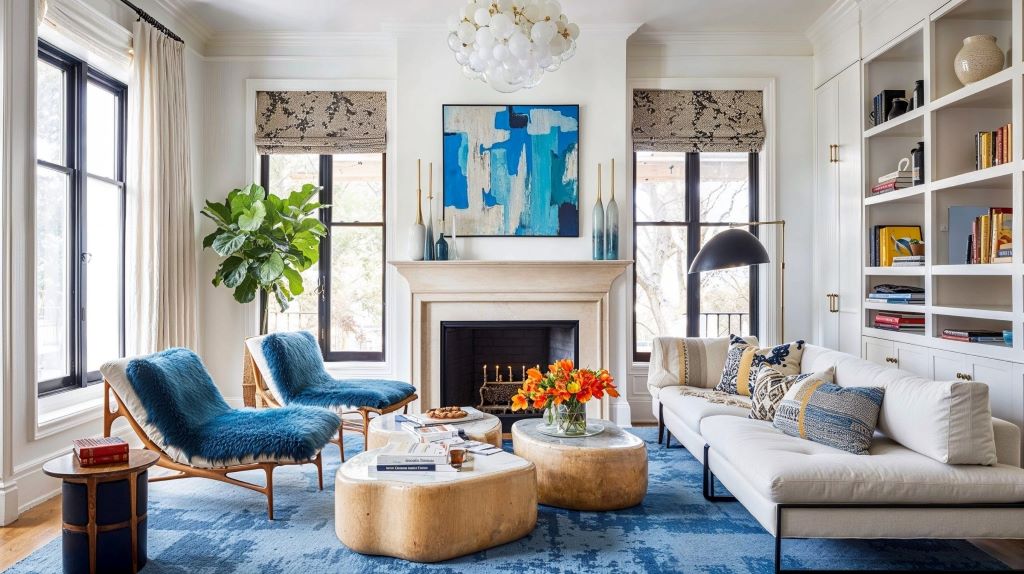
The concept of modern living spaces revolves around creating environments that are aesthetically pleasing and functional. Today’s design trends emphasize fluidity and functionality, allowing spaces to effortlessly switch from work mode to relaxation haven. As such, striking a balance between style and utility can significantly enhance how we experience our homes. The modern living space is an embodiment of minimalism, focusing on decluttering while maintaining comfort and warmth. Open layouts are popular, promoting flow and ease of movement, while expansive windows create a seamless connection with the outdoors, inviting natural light and vitality into the home.
This design approach supports mental clarity by reducing distractions and visual noise. It allows for better space planning and enhances flexibility in how rooms are used. For example, a home office can double as a guest room or creative studio. The use of neutral tones with subtle accents also adds a sense of calm and continuity. Natural elements like wood, stone, and greenery are often used to add warmth and texture to the minimal aesthetic.
Technology Integration for Convenience
With the advent of smart home devices, integrating technology has never been easier. These tools offer a seamless living experience, from smart thermostats to voice-activated assistants. Home automation systems, often inspired by insights from TechCrunch, help manage daily tasks with ease and efficiency, enhancing both convenience and security. Imagine controlling your lighting, security, and even kitchen appliances from your smartphone or a central control panel at home. These innovations not only increase efficiency but also adapt to your lifestyle, offering personalized settings that align with your daily routine, thereby making life smoother and more comfortable.
Voice-controlled assistants like Alexa or Google Assistant can automate routines such as waking up, locking doors, or playing music. Smart lighting systems can adjust depending on the time of day or mood settings, adding both function and ambiance. Technology also enhances home safety through motion sensors, video doorbells, and remote monitoring. As AI continues to evolve, expect your home to learn and predict your preferences for an even more intuitive experience. For renters and owners alike, these tools can also increase property value and appeal.
Sustainable Design Choices
Choosing eco-friendly materials and designs can make a substantial impact on both the environment and your living space. Opting for sustainable options like bamboo flooring or recycled metal fixtures not only benefits the environment but also adds unique character to your space. As highlighted by the latest initiatives in sustainable living, such practices are pivotal for a greener future. Investing in energy-efficient appliances and using non-toxic, natural materials in furniture and furnishing can reduce carbon footprints, supporting the global shift towards sustainable living. Green roofs and walls, solar panels, and energy-efficient lighting are becoming integral components of modern homes, transforming them into eco-conscious sanctuaries.
Sustainable choices usually lead to long-term cost savings, especially in utilities and maintenance. Many governments offer incentives and rebates for incorporating energy-efficient features. Eco-friendly paints and finishes improve indoor air quality, which benefits your health. Conscious design also means selecting furniture built to last, reducing waste and overconsumption. As consumers become more environmentally aware, eco-conscious living has become both a responsible and stylish choice.
Space Optimization Techniques
Maximizing space is about clever solutions that make even the smallest homes feel spacious. Embracing multifunctional furniture, like sofa beds and extendable tables, helps optimize living areas. Additionally, employing vertical storage solutions and utilizing wall-mounted shelves can free up valuable floor space, providing a clutter-free environment that fosters peace and productivity. Mirrors can visually expand spaces, while light color palettes can make rooms feel larger and more open. Smart storage solutions, including under-bed storage and built-in cabinets, ensure that everything has its place without crowding the room.
The key is to design with intent—every item should serve a purpose or spark joy. Hidden storage, such as lift-top coffee tables, helps minimize visual clutter. Sliding doors and fold-away desks can further increase usable space. Wall-mounted desks or Murphy beds are excellent for studio apartments or guest rooms. Proper organization can transform even compact spaces into high-functioning, aesthetically pleasing environments.
Effective Personalization of Living Spaces
Your home should be a reflection of your personality. Personalization doesn’t necessarily mean cluttering; rather, it’s about introducing meaningful items that resonate with you. Incorporating artwork, choosing a color scheme you love, and showcasing personal collections can imbue your space with warmth and sentiment, creating a truly individualized environment. Customizable furniture, such as modular sofas or adjustable home office setups, allows for adaptation as your needs change. Integrating family heirlooms or travel souvenirs can add character and tell a story, making your home uniquely yours while providing comfort and nostalgia to your everyday life.
Personalized design enhances the emotional connection to your space, making it feel more like a sanctuary. It also offers a sense of identity, helping you express values and experiences through decor. Mixing modern elements with vintage or handmade pieces can create rich layers of interest. Even scents, such as candles or essential oils, contribute to the mood and personality of a room. Remember, personalization doesn’t require overhauling a room—it can begin with a single shelf or corner.
Future Trends in Interior Design
The landscape of interior design is always evolving, with new trends constantly emerging. The incorporation of biophilic design, which emphasizes natural elements, is gaining traction. Moreover, adaptive reuse, where existing structures are innovatively repurposed, is redefining how we view space use. Staying informed and open to these trends ensures your home stays at the cutting edge of modern design. As technology progresses, expect to see more interactive and augmented reality elements in home design, allowing homeowners to visualize and customize their spaces before making physical changes.
Wellness-centered design is becoming increasingly prominent, with features that support mental and physical health. Expect a greater focus on materials that promote air quality and light exposure. Multi-sensory experiences—from textured walls to sound-absorbing panels—will be key. There is also growing interest in modular and flexible furniture that evolves with your lifestyle. Designers and homeowners alike are now blending aesthetics with wellness, sustainability, and innovation.
Final Thoughts
As we continue to embrace modern living, it’s crucial to create spaces that are both comfortable and forward-thinking. By integrating technology, choosing sustainable materials, optimizing space, and personalizing with intention, anyone can transform their home into a modern haven. These tips not only promise stylish decor but also cultivate an environment tailored to personal and practical needs. The home of the future is more than just a living space; it’s a reflection of our evolving lifestyles, prioritizing health, sustainability, and technology. As we adapt to new challenges and innovations, our homes will continue to be sanctuaries of creativity, comfort, and connection.
Ultimately, modern living is about curating spaces that serve and inspire. It’s not about following trends blindly but about crafting a lifestyle that supports your goals and values. Whether you’re in a downtown apartment or a suburban house, the principles remain the same. A well-designed home can elevate your quality of life in ways both subtle and profound. With intention and creativity, your space can become your most powerful tool for well-being and self-expression.

