Finding affordable printer alternatives that deliver exceptional print resolution has become increasingly important for budget-conscious consumers and small businesses. The traditional printer market often forces users to choose between high-quality output and reasonable pricing. Modern technology has created numerous alternatives that challenge established brands while providing superior value propositions. Mech Office specializes in helping customers navigate these alternatives and discover printing solutions that meet their specific needs without breaking their budgets.
The evolution of printing technology has democratized high-resolution printing, making it accessible to users who previously couldn’t afford professional-quality output. Emerging manufacturers have developed innovative approaches to printer design and manufacturing that significantly reduce costs while maintaining or improving print quality. Additionally, alternative distribution models and direct-to-consumer sales have eliminated many traditional markups that inflated printer prices.
When researching alternatives instructions top10 printer options, consumers discover that many lesser-known brands now offer exceptional value and performance. Therefore, understanding these alternatives empowers buyers to make informed decisions that prioritize both quality and affordability in their printing investments.
Understanding Print Resolution and Quality Standards
Defining Print Resolution Metrics
Print resolution is measured in dots per inch (DPI), which indicates how many individual ink or toner dots the printer can place within a one-inch square area. Higher DPI values generally produce smoother text, finer detail reproduction, and more accurate color gradations. Additionally, understanding different resolution requirements helps users select appropriate alternatives for their specific applications.
Text printing typically requires 600-1200 DPI for crisp, professional results, while photo printing benefits from 2400-4800 DPI or higher. However, the relationship between DPI and perceived quality is not linear, and other factors like ink quality and paper type significantly influence final output appearance. Therefore, comparing printers solely on DPI specifications can be misleading without considering the complete printing system.
Color accuracy and consistency represent equally important quality factors that complement raw resolution specifications. Many affordable alternatives achieve impressive resolution numbers while maintaining excellent color reproduction through advanced ink formulations and precision engineering. Additionally, modern software processing can enhance perceived quality even when hardware specifications appear modest.
Quality Factors Beyond Resolution
Print head technology directly impacts both resolution capability and long-term reliability in affordable printer alternatives. Thermal inkjet, piezoelectric inkjet, and laser technologies each offer distinct advantages for different applications and budgets. However, the implementation quality often matters more than the underlying technology choice.
Ink or toner quality significantly influences final output appearance regardless of printer resolution capabilities. Many affordable alternatives use high-quality consumables that rival or exceed those found in expensive brand-name printers. Additionally, some manufacturers focus their cost savings on printer hardware while maintaining premium consumable standards.
Paper handling capabilities affect the practical usability of high-resolution printing features in affordable alternatives. Advanced paper sensors, multiple tray options, and automatic duplex printing enhance the overall printing experience while maintaining cost-effectiveness. Therefore, evaluating complete system capabilities provides better value assessments than focusing solely on resolution specifications.
Inkjet Printer Alternatives
Direct-to-Consumer Inkjet Options
Direct-to-consumer inkjet manufacturers have revolutionized the affordable printer market by eliminating traditional retail markups and dealer networks. These companies often achieve 30-50% cost savings compared to established brands while maintaining comparable or superior print quality. Additionally, direct sales relationships enable better customer support and more frequent software updates.
Online-only brands frequently offer innovative subscription models for ink replenishment that further reduce operating costs. These programs automatically ship replacement cartridges based on usage patterns and often include discounted printer hardware. However, subscription commitments may not suit all users, and cancellation policies vary between providers.
Many direct-to-consumer alternatives feature user-replaceable print heads and other serviceable components that extend printer lifespans while reducing repair costs. This repairability focus contrasts with traditional manufacturers who often design products for replacement rather than repair. Therefore, total cost of ownership frequently favors these alternative options over extended periods.
Refillable Ink Tank Systems
Refillable ink tank systems represent perhaps the most cost-effective alternative for high-volume printing with exceptional resolution capabilities. These printers replace traditional cartridges with large-capacity tanks that users refill with bottled ink. Additionally, the elimination of cartridge manufacturing and packaging reduces both costs and environmental impact.
Initial printer costs for tank systems often exceed traditional cartridge-based models, but ink costs drop dramatically to as low as one cent per page for black text printing. Color printing costs similarly decrease to 3-5 cents per page compared to 15-20 cents for cartridge systems. However, users must handle liquid ink and perform occasional maintenance procedures.
Print quality from modern tank systems rivals traditional cartridge printers while offering superior resolution capabilities in many cases. Advanced print head designs and high-quality pigment inks ensure professional results across various paper types and applications. Therefore, tank systems provide excellent alternatives for users prioritizing both quality and long-term cost savings.
Continuous Ink Supply Systems
Continuous Ink Supply Systems (CISS) convert traditional cartridge printers into tank-style systems through aftermarket modifications. These systems replace standard cartridges with refillable containers connected via small tubes to the printer. Additionally, CISS modifications typically cost much less than purchasing new tank-system printers.
Installation requirements vary from simple plug-in replacements to more complex modifications involving printer disassembly. Some CISS options void printer warranties, while others maintain compatibility with original equipment. However, successful installations can reduce ink costs by 90% or more while maintaining original print quality.
Quality CISS components include air-tight reservoirs, reliable tubing, and compatible ink formulations that prevent clogging and color shifting. Inferior systems may cause print head damage or quality degradation that negates cost savings. Therefore, selecting reputable CISS suppliers with proven track records ensures successful implementations.
Laser Printer Alternatives
Compact Desktop Laser Options
Compact desktop laser printers have evolved to offer exceptional resolution capabilities while maintaining affordability for home and small office use. Modern alternatives achieve 1200-2400 DPI output quality that rivals larger commercial units. Additionally, LED printing technology has enabled even smaller form factors with improved reliability.
Monochrome laser alternatives often provide the best value for text-heavy applications, delivering professional document quality at extremely low per-page costs. Color laser alternatives have become increasingly affordable while maintaining excellent color accuracy and consistency. However, initial toner costs can be substantial, making these options better suited for moderate to high-volume users.
Energy efficiency in compact laser alternatives has improved significantly, with many models consuming less power than comparable inkjet printers during operation. Sleep modes and instant-on capabilities further reduce energy consumption while maintaining quick response times. Therefore, total operating costs often favor laser alternatives even when considering electricity usage.
Multifunction Laser Alternatives
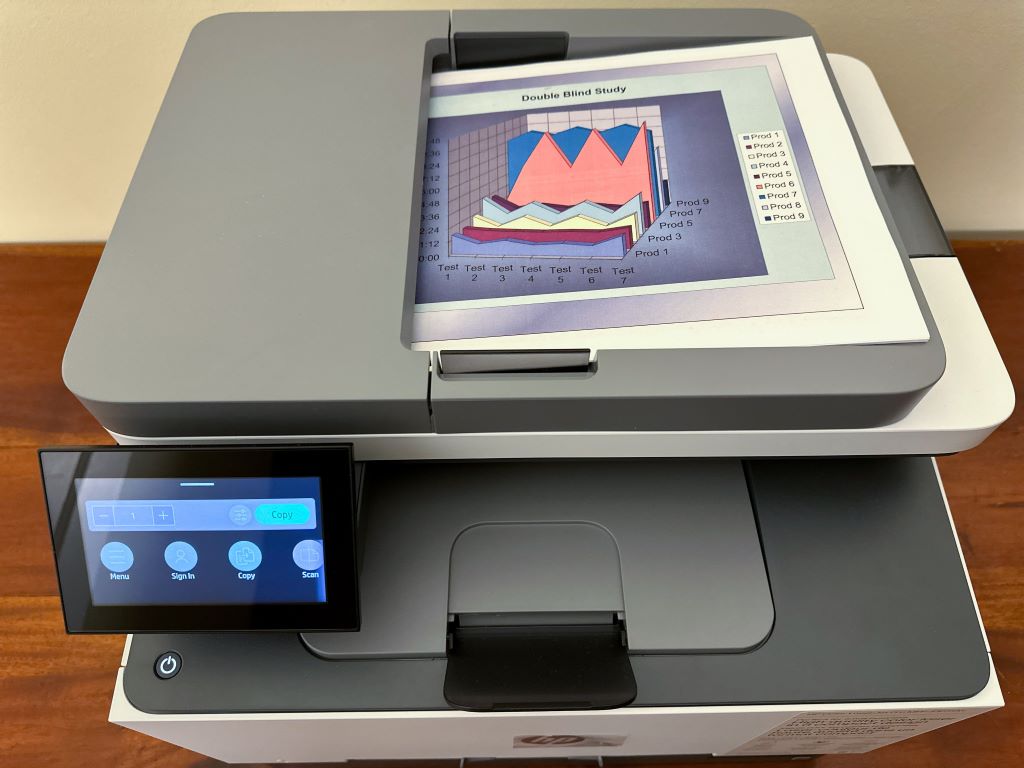
Multifunction laser alternatives combine printing, scanning, copying, and faxing capabilities in affordable packages that previously required separate devices. These integrated solutions often cost less than purchasing individual components while occupying minimal desk space. Additionally, shared components and simplified manufacturing reduce both purchase and maintenance costs.
Scanning resolution in multifunction alternatives typically matches or exceeds printing capabilities, enabling high-quality document digitization alongside exceptional print output. Automatic document feeders and duplex scanning features enhance productivity while maintaining cost-effectiveness. However, mechanical complexity can potentially reduce reliability compared to single-function alternatives.
Network connectivity options in affordable multifunction alternatives enable sharing across multiple users and devices without requiring dedicated print servers. Wireless capabilities eliminate cable requirements while mobile printing support accommodates modern workflow requirements. Therefore, multifunction alternatives often provide superior value propositions for small office environments.
According to research from Consumer Reports, affordable printer alternatives now account for over 40% of the home and small office printer market, with many offering print quality that matches or exceeds premium brand offerings.
Specialty Printing Alternatives
Photo Printing Specialists
Dedicated photo printing alternatives focus specifically on high-resolution image reproduction while maintaining reasonable hardware and consumable costs. These specialized printers often achieve 4800-9600 DPI resolution with exceptional color accuracy and tonal range. Additionally, specialized ink sets with extended color gamuts produce prints that rival professional lab output.
Dye-sublimation alternatives provide unique advantages for photo printing applications, including continuous tone output and exceptional durability. These printers eliminate the dot patterns inherent in inkjet technology while producing water-resistant and fade-resistant prints. However, dye-sublimation systems typically require specialized papers and ribbons that limit media flexibility.
Large format photo alternatives enable poster and banner printing capabilities at surprisingly affordable prices. These printers accommodate paper widths from 13 inches to several feet while maintaining high resolution across the entire print area. Therefore, creative professionals and enthusiasts can access professional-quality large format printing without commercial service bureau costs.
3D Printing Integration
Some affordable printer alternatives now integrate traditional 2D printing with basic 3D printing capabilities, providing exceptional value for creative applications. These hybrid systems enable prototyping and small-scale manufacturing alongside conventional document and photo printing. Additionally, shared components and simplified operation reduce the complexity typically associated with separate 3D printer ownership.
Resin-based 3D printing alternatives achieve exceptional detail resolution that complements high-resolution 2D output capabilities. Layer heights as fine as 0.01mm enable intricate detail reproduction suitable for jewelry, miniatures, and precision prototypes. However, resin handling requires proper ventilation and safety precautions that may not suit all environments.
Filament-based alternatives offer larger build volumes and material variety while maintaining affordability and ease of use. These systems complement traditional printing capabilities by enabling custom tool and accessory creation. Therefore, hybrid printing alternatives provide unique value propositions for users requiring both conventional and additive manufacturing capabilities.
Cost Analysis and Value Comparison
Total Cost of Ownership Calculations
Accurate cost comparisons between printer alternatives require analyzing total cost of ownership over realistic usage periods rather than focusing solely on initial purchase prices. Consumable costs often exceed hardware costs within the first year of ownership, making long-term analysis essential. Additionally, reliability and service costs significantly impact total ownership expenses.
Page yield specifications provide standardized comparisons between different consumable options, but real-world yields often vary based on usage patterns and document types. Conservative estimates typically provide more accurate budgeting information than optimistic manufacturer claims. However, independent testing from reputable sources offers the most reliable yield data for comparison purposes.
Maintenance and repair costs vary significantly between different printer alternatives, with some designs emphasizing user serviceability while others require professional service. Warranty coverage and local service availability influence these costs substantially. Therefore, considering support options during initial selection prevents unexpected expenses later.
Hidden Costs and Savings
Subscription services and automatic ink replenishment programs can provide cost savings but may include hidden fees or restrictive terms that increase total costs. Cancellation penalties, minimum monthly charges, and shipping fees can offset advertised savings. Additionally, subscription programs may limit users to specific ink types that cost more than generic alternatives.
Energy consumption varies significantly between printer alternatives, with laser printers typically using more power during operation but less during standby periods. Inkjet alternatives usually consume minimal power during operation but may require periodic maintenance cycles that increase overall consumption. However, modern sleep modes minimize standby consumption across all printer types.
Paper and media costs represent often-overlooked expenses that can significantly impact total printing costs. Some printer alternatives require specific paper types or coatings to achieve optimal results, while others work well with generic options. Therefore, considering media flexibility and costs during printer selection prevents budget surprises.
Setup and Optimization Tips
Initial Configuration Best Practices
Proper initial setup significantly impacts long-term performance and print quality in affordable printer alternatives. Driver installation from manufacturer websites ensures access to latest features and bug fixes that may not be included with packaged software. Additionally, network configuration during initial setup prevents connectivity issues that can be difficult to diagnose later.
Print head alignment and calibration procedures vary between different printer alternatives but remain crucial for achieving optimal print quality. Some printers include automatic alignment features, while others require manual adjustment using printed test patterns. However, spending time on proper initial calibration prevents quality issues and wasted consumables.
Software settings optimization enables users to achieve the best balance between print quality and speed for their specific applications. Default settings often prioritize speed over quality, while maximum quality settings may be unnecessarily slow for everyday printing. Therefore, creating custom profiles for different document types optimizes both efficiency and results.
Maintenance and Troubleshooting
Regular maintenance schedules help affordable printer alternatives achieve their full lifespan potential while maintaining consistent print quality. Print head cleaning, roller cleaning, and general dusting prevent common problems that can degrade performance over time. Additionally, following manufacturer maintenance recommendations protects warranty coverage.
Troubleshooting common issues like paper jams, print quality problems, and connectivity issues becomes easier with proper documentation and systematic approaches. Many affordable alternatives include comprehensive troubleshooting guides and diagnostic tools that help users resolve problems independently. However, knowing when to seek professional service prevents minor issues from becoming major repairs.
Firmware updates for printer alternatives often include performance improvements, new features, and bug fixes that enhance overall functionality. Automatic update features simplify this process, but manual checking ensures critical updates are not missed. Therefore, maintaining current firmware maximizes the value of affordable printer investments.
According to PC Magazine‘s testing laboratory, many affordable printer alternatives now achieve print quality scores that match or exceed premium branded models while offering significantly better value per page printed.
Environmental and Sustainability Considerations
Eco-Friendly Alternative Options
Many affordable printer alternatives prioritize environmental sustainability through reduced packaging, recyclable components, and energy-efficient operation. These manufacturers often achieve cost savings through simplified packaging and direct shipping while reducing environmental impact. Additionally, longer-lasting components reduce replacement frequency and associated waste.
Ink and toner recycling programs help minimize environmental impact while sometimes providing cost savings through trade-in credits or discounts. Some alternative manufacturers offer prepaid return labels and refurbishment programs that give consumables second lives. However, participating in these programs requires some user effort and planning.
Energy Star certification and similar environmental standards help identify printer alternatives that minimize power consumption during operation and standby modes. These certifications often correlate with lower operating costs and reduced carbon footprints. Therefore, environmental considerations frequently align with economic benefits in printer selection.
Sustainable Printing Practices
Duplex printing capabilities in affordable alternatives help reduce paper consumption while maintaining document functionality and appearance. Automatic duplex features make double-sided printing convenient and consistent, encouraging regular use. Additionally, intelligent software can optimize document layouts to minimize paper waste.
Draft mode and eco-printing options reduce ink or toner consumption for internal documents and proofs while maintaining adequate readability. These modes can extend consumable life by 30-50% without significant quality loss for appropriate applications. However, understanding when to use different quality modes maximizes both economy and results.
Digital document workflows reduce printing requirements while improving organization and accessibility. Many affordable printer alternatives include scanning and document management software that facilitates paperless operations. Therefore, combining printing capabilities with digitization tools creates more sustainable office practices.
Future Trends and Emerging Technologies
Technology Integration Advances
Artificial intelligence integration in affordable printer alternatives enables predictive maintenance, automatic quality optimization, and intelligent consumable management. These features help users achieve better results with less manual intervention while extending printer lifespans. Additionally, AI-powered troubleshooting can resolve many common issues automatically.
Cloud connectivity and mobile printing capabilities continue expanding in affordable alternatives, enabling printing from anywhere with internet access. These features eliminate the need for dedicated computers or network configurations while supporting modern work patterns. However, security considerations become more important with cloud-connected devices.
Voice control integration and smart home compatibility add convenience features that were previously limited to premium printer models. These interfaces simplify common tasks and enable hands-free operation in appropriate environments. Therefore, affordable alternatives increasingly match feature sets of expensive alternatives while maintaining cost advantages.
Market Evolution Predictions
Direct-to-consumer sales models are expected to capture increasing market share as consumers become more comfortable with online purchases and remote support. This trend should continue driving down costs while improving customer service quality. Additionally, subscription-based models may become more prevalent as users prioritize predictable monthly costs.
Sustainability requirements and environmental regulations are likely to influence printer design and manufacturing processes significantly. These changes may initially increase costs but should ultimately drive innovation that benefits both manufacturers and users. However, regulatory compliance costs may disproportionately affect smaller alternative manufacturers.
Customization and modularity trends may enable users to configure printer alternatives specifically for their needs rather than accepting one-size-fits-all solutions. This approach could improve both performance and cost-effectiveness while reducing waste from unused features. Therefore, future alternatives may offer unprecedented flexibility and value optimization.
Conclusion
Affordable printer alternatives with high print resolution have fundamentally changed the printing landscape by proving that exceptional quality doesn’t require premium pricing. These alternatives leverage innovative manufacturing approaches, direct sales models, and advanced technologies to deliver professional results at accessible price points. Additionally, many alternatives now surpass traditional brands in specific performance metrics while maintaining significant cost advantages.
Key advantages of modern printer alternatives include lower total cost of ownership, comparable or superior print quality, and often better customer support than established brands. The elimination of traditional retail markups and dealer networks enables substantial savings that benefit end users directly. However, success with alternatives requires careful selection based on specific needs and usage patterns.
The future of affordable printing looks increasingly bright as technology advances and market competition intensifies. Users who embrace quality alternatives can achieve their printing goals while supporting innovation and market diversity. Therefore, considering affordable alternatives represents both smart economics and support for continued industry evolution toward better value and performance.
Frequently Asked Questions
Are affordable printer alternatives as reliable as name-brand models? Many affordable alternatives now match or exceed name-brand reliability through improved manufacturing processes and quality control. However, reliability varies significantly between different alternative manufacturers, making research and reviews essential. Additionally, warranty coverage and local service availability should be considered during selection.
Can affordable alternatives achieve professional print quality for business use? Yes, many affordable alternatives produce professional-quality output suitable for business applications including presentations, marketing materials, and client communications. Resolution capabilities often match or exceed premium printers while maintaining excellent color accuracy. However, specific quality requirements should be verified through samples or reviews.
What are the main disadvantages of choosing printer alternatives over established brands? Potential disadvantages include limited local service options, unfamiliar user interfaces, and possible compatibility issues with specialized software or workflows. Additionally, resale values typically favor established brands, and some corporate environments prefer standardized equipment. However, these concerns are diminishing as alternatives gain market acceptance.
How do consumable costs compare between alternatives and name-brand printers? Consumable costs for alternatives often provide significant savings, particularly with refillable tank systems and compatible cartridge options. Many alternatives are specifically designed to minimize ongoing ink or toner costs while maintaining print quality. Therefore, total cost of ownership frequently favors alternatives even when initial purchase prices are comparable.
What factors should I prioritize when selecting an affordable printer alternative? Prioritize print quality requirements, expected print volumes, consumable costs, and warranty coverage based on your specific needs. Additionally, consider connectivity options, software compatibility, and available customer support. However, reading reviews from actual users provides the most reliable guidance for selection decisions.
Read More:
The Role of Ethernet Switching in Modern Network Architecture
Advancements and Future Trends in Oilfield Products and Fabrication