

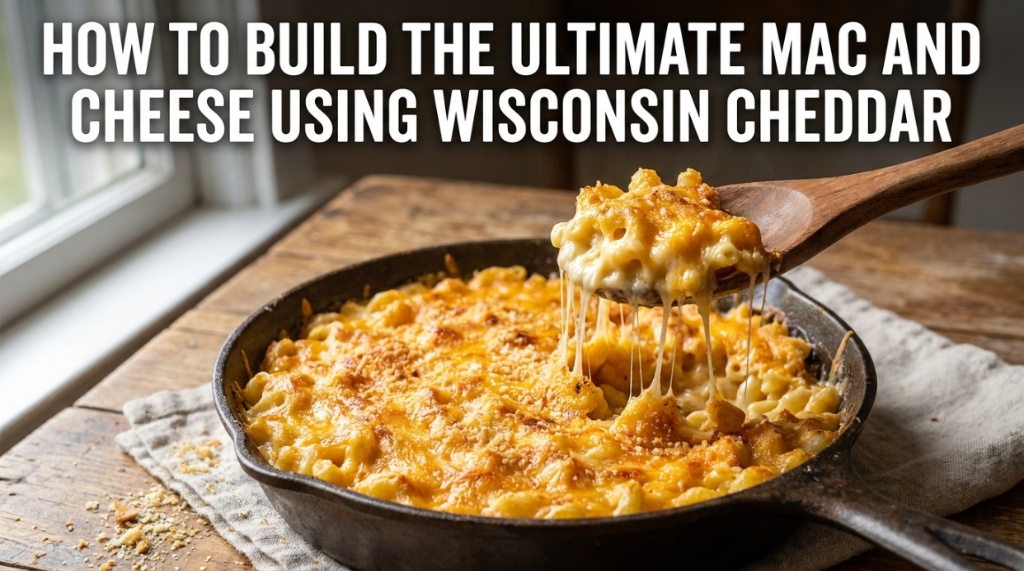
There’s a reason many championship-winning cheese recipes start in America’s Dairyland: Wisconsin cheddar develops exceptional depth, meltability, and flavor balance that can transform ordinary macaroni into the ultimate comfort food. If your mac and cheese turns grainy, bland, oily, or dry, the problem is often the cheese selection—not the pasta. The solution is using high-quality Wisconsin cheddar combined with complementary cheese blends and the right baked pasta technique. This approach creates a creamy interior, a flavorful cheese pull, and a golden crust that delivers restaurant-quality results at home.
What Makes Wisconsin Cheddar the Best Choice for Mac and Cheese?
Wisconsin cheddar is ideal for mac and cheese because it offers superior flavor development, excellent melting characteristics, and a wide range of aging profiles that suit different recipes.
Wisconsin produces over half of America’s specialty cheese varieties and has built a global reputation for cheesemaking expertise. Unlike generic cheddar, authentic Wisconsin cheddar is crafted under strict quality standards by skilled cheesemakers who often age cheese for months or years to develop complexity.
For mac and cheese, this matters because flavor concentration increases as cheddar ages. Mild cheddar creates creamy, approachable flavor, while sharp and extra-sharp varieties contribute deeper savory notes without overwhelming the dish.
If you’re comparing different cheese varieties for pasta dishes, this comprehensive guide to choosing the right Wisconsin cheese for pasta recipes provides additional insights into flavor profiles and pairing options.
Key advantages include:
- Rich dairy flavor
- Excellent melting performance
- Natural creaminess
- Balanced salt content
- Wide aging options
- Reliable texture consistency
These qualities make Wisconsin cheddar the foundation of exceptional homemade mac and cheese.
Which Wisconsin Cheddar Age Produces the Best Flavor?
A blend of medium and sharp Wisconsin cheddar typically creates the most balanced mac and cheese flavor.
Many home cooks assume older cheddar automatically produces better results. In reality, combining different ages often delivers greater complexity and smoother texture.
| Cheddar Type | Flavor Strength | Melting Ability | Best Use |
|---|---|---|---|
| Mild Cheddar | Light | Excellent | Creamy base |
| Medium Cheddar | Balanced | Very Good | Everyday mac and cheese |
| Sharp Cheddar | Bold | Good | Enhanced flavor |
| Extra Sharp Cheddar | Intense | Moderate | Flavor accent |
| Aged Cheddar | Complex | Lower | Specialty blends |
A common professional approach is using:
- 60% medium cheddar
- 30% sharp cheddar
- 10% aged cheddar
This combination provides creaminess, depth, and complexity without sacrificing texture.
Can you use only extra-sharp cheddar?
Yes, but the texture may become less smooth and the flavor can overpower the dish.
Blending younger cheddar varieties generally produces a more balanced final result.
Why Do Professional Recipes Use Cheese Blends Instead of One Cheese?
Cheese blends combine different strengths, allowing cooks to maximize flavor, creaminess, stretch, and browning simultaneously.
Professional kitchens rarely rely on a single cheese. Every cheese contributes something unique to the finished baked pasta dish.
Wisconsin cheddar serves as the flavor foundation, while complementary cheeses improve texture and richness.
Popular cheese blend combinations include:
- Wisconsin cheddar + Gruyère
- Wisconsin cheddar + Monterey Jack
- Wisconsin cheddar + Fontina
- Wisconsin cheddar + Gouda
- Wisconsin cheddar + Mozzarella
Each pairing creates a different experience:
- Gruyère adds nuttiness
- Fontina boosts creaminess
- Monterey Jack improves meltability
- Mozzarella enhances stretch
- Gouda contributes sweetness and depth
What is the best cheese blend ratio?
A reliable ratio is 70% Wisconsin cheddar and 30% complementary cheese.
This preserves cheddar’s signature flavor while improving texture and mouthfeel.
How Do You Build the Ultimate Cheese Sauce for Baked Pasta?
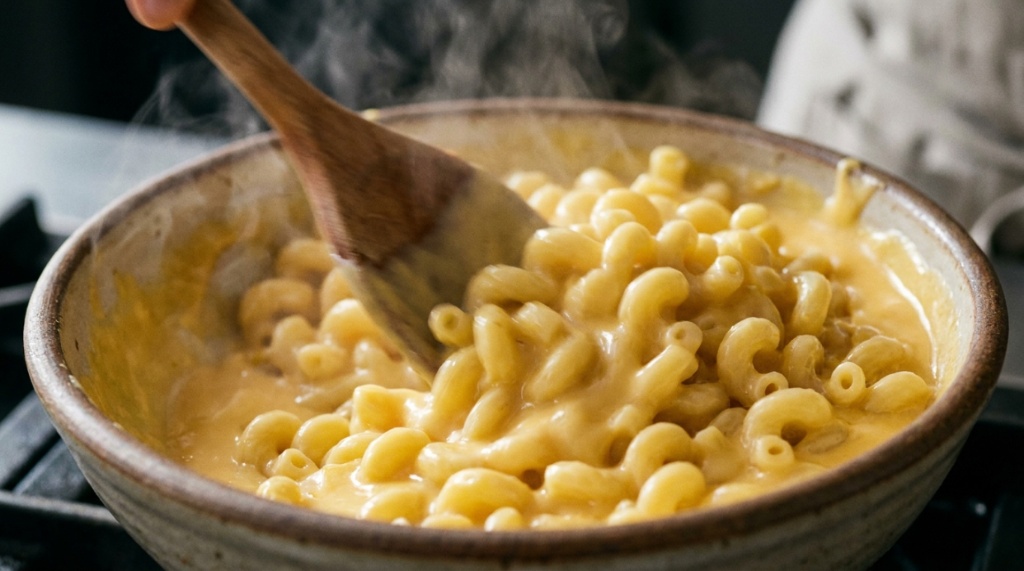
The best cheese sauce starts with a roux-based béchamel and incorporates freshly shredded Wisconsin cheddar gradually over low heat.
The sauce is the heart of mac and cheese. Even premium cheese cannot compensate for a poorly built base.
Essential ingredients include:
- Butter
- All-purpose flour
- Whole milk
- Heavy cream
- Wisconsin cheddar
- Salt
- Black pepper
- Mustard powder
- Paprika
Basic method:
- Melt butter.
- Whisk in flour.
- Cook for 1–2 minutes.
- Gradually add warm milk.
- Whisk until smooth.
- Add seasonings.
- Remove from high heat.
- Incorporate cheese slowly.
The secret is temperature control. Excessive heat causes proteins to tighten and separate, resulting in a grainy sauce.
Freshly grated cheese melts far better than pre-shredded varieties because packaged shredded cheese often contains anti-caking agents that interfere with smooth melting.
Which Pasta Shape Creates the Best Mac and Cheese Texture?
Pasta shapes with ridges, curves, and hollow centers capture more cheese sauce and create a richer eating experience.
While elbow macaroni remains the classic choice, several shapes outperform it in sauce retention.
Top choices include:
- Cavatappi
- Cellentani
- Shells
- Pipette
- Radiatori
- Elbow macaroni
Cavatappi is particularly popular because its spiral shape traps sauce inside and outside each piece.
Cook pasta one to two minutes less than package directions when preparing baked pasta. The noodles continue cooking in the oven and absorb some of the cheese sauce.
Should pasta be rinsed before adding cheese sauce?
No. Rinsing removes starch that helps the sauce adhere to the pasta.
Drain and immediately combine with the cheese sauce for optimal results.
How Do You Prevent Mac and Cheese From Becoming Dry During Baking?
Undercook the pasta slightly, use sufficient sauce, and bake only until the topping turns golden.
Dry mac and cheese is one of the most common cooking mistakes.
The oven naturally removes moisture, so the mixture should appear slightly looser than desired before baking.
Helpful strategies include:
- Use extra sauce
- Cover initially with foil
- Avoid overbaking
- Add cream to the sauce
- Cook pasta al dente
- Monitor oven temperature carefully
A baking temperature between 350°F and 375°F generally produces the best balance of browning and moisture retention.
How long should baked mac and cheese cook?
Most recipes require 20–30 minutes depending on dish size and oven performance.
Remove it once the topping becomes golden and the edges begin bubbling.
What Toppings Make Wisconsin Cheddar Mac and Cheese Better?
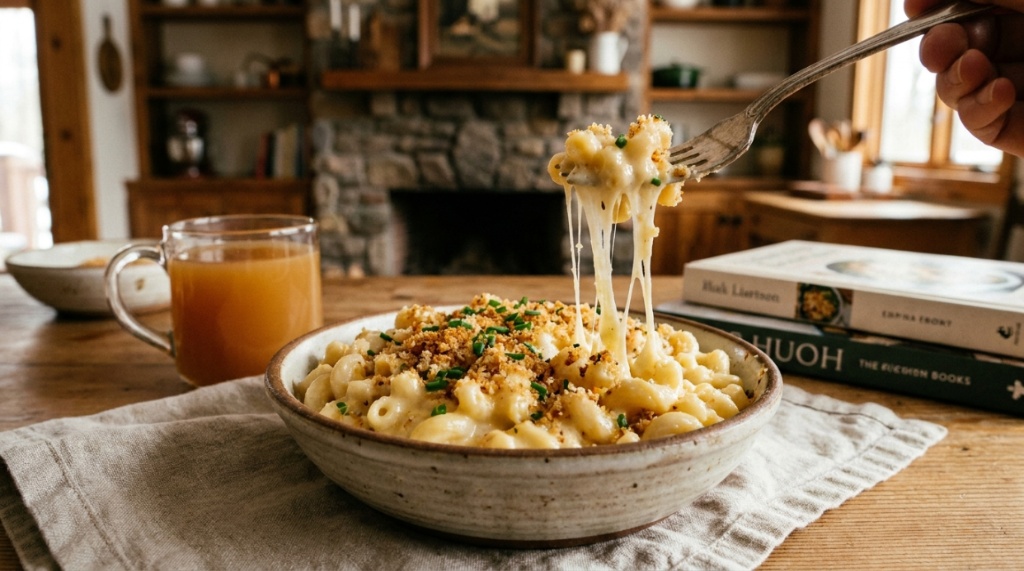
The best toppings add texture contrast while complementing the richness of Wisconsin cheddar.
Creamy cheese sauce benefits from a crispy topping that introduces crunch and visual appeal.
Popular topping choices include:
- Panko breadcrumbs
- Butter-cracker crumbs
- Parmesan cheese
- Bacon pieces
- Fresh herbs
- Toasted garlic crumbs
A simple topping formula:
- 1 cup panko breadcrumbs
- 2 tablespoons melted butter
- 2 tablespoons grated Parmesan
Spread evenly before baking for a golden crust.
Can toppings be added after baking?
Yes. Fresh herbs, crispy bacon, green onions, and finishing cheeses can be added immediately before serving.
This preserves freshness and texture.
What Ingredients Elevate Wisconsin Cheddar Mac and Cheese to Restaurant Quality?
Small additions such as mustard powder, garlic, smoked paprika, and premium dairy ingredients significantly enhance flavor complexity.
Restaurant chefs often rely on subtle enhancements rather than excessive ingredients.
Flavor boosters include:
- Dijon mustard
- Dry mustard powder
- Roasted garlic
- Smoked paprika
- Fresh thyme
- Caramelized onions
- White pepper
- Nutmeg
Protein additions work well too:
- Pulled chicken
- Smoked brisket
- Lobster
- Bacon
- Sausage
The goal is enhancing—not overpowering—the Wisconsin cheddar flavor profile.
How Can You Store and Reheat Leftover Mac and Cheese Successfully?
Store leftovers in an airtight container and reheat gently with added milk or cream.
Cheese sauces naturally thicken during refrigeration.
To restore creaminess:
- Add a splash of milk.
- Cover loosely.
- Heat gradually.
- Stir midway.
- Avoid overheating.
Properly stored mac and cheese typically remains fresh for three to four days in the refrigerator.
Many cooks find next-day flavors even more developed because the cheeses have fully integrated throughout the dish.
Conclusion: What Is the Secret to the Ultimate Wisconsin Cheddar Mac and Cheese?
The secret is combining premium Wisconsin cheddar, thoughtful cheese blends, proper sauce technique, and controlled baking for maximum flavor and texture.
The best mac and cheese is never just about adding more cheese. Success comes from balancing creamy sauce, flavorful cheddar, properly cooked pasta, and a crisp baked topping. Using a combination of medium and sharp Wisconsin cheddar creates a rich flavor foundation, while complementary cheeses improve meltability and texture. Attention to details such as freshly shredding cheese, avoiding excessive heat, and selecting the right baked pasta shape can dramatically improve results.
For even more inspiration on selecting cheeses that complement different pasta dishes, explore this detailed resource on Wisconsin cheese varieties for homemade pasta recipes.
Whether you’re preparing a weeknight family dinner or serving guests at a special gathering, mastering these techniques will help you create a memorable dish with a creamy center, golden crust, and unmistakable Wisconsin cheddar flavor. Try experimenting with different cheese blends and toppings to discover your perfect version.
FAQ: Common Questions About Wisconsin Cheddar Mac and Cheese
Is Wisconsin cheddar better than regular cheddar for mac and cheese?
Yes. Wisconsin cheddar is known for strict production standards, superior aging practices, and consistent flavor development, making it an excellent choice for mac and cheese.
What cheese mixes best with Wisconsin cheddar?
Gruyère, Monterey Jack, Fontina, Gouda, and Mozzarella blend exceptionally well with Wisconsin cheddar because they enhance creaminess and melting performance without masking cheddar flavor.
Should I shred cheese myself for mac and cheese?
Yes. Freshly shredded cheese melts more smoothly because it lacks the anti-caking agents commonly found in pre-shredded products.
What pasta shape holds the most cheese sauce?
Cavatappi is one of the best options. Its spiral shape captures sauce inside grooves and curves, creating a richer bite.
Why does my cheese sauce become grainy?
Overheating is usually the cause. High temperatures can separate fats and proteins in cheese. Add cheese gradually and avoid boiling after incorporation.
Can I make baked mac and cheese ahead of time?
Yes. Assemble the dish, refrigerate it for up to 24 hours, and bake when ready. You may need a few additional minutes of baking time.
How much cheese should I use per pound of pasta?
Most recipes use 12–16 ounces of cheese per pound of pasta. The exact amount depends on desired richness and sauce consistency.


