Walking into a store on a hot summer day, you may have noticed something quite disappointing — melted chocolate bars drooping on the shelf or soft to the touch. While some chocolate may return to its normal shape once cooled, others remain gritty, discolored, or dull. This inconsistency leaves many consumers wondering what exactly went wrong. Understanding the science behind chocolate melting, the varying textures, and the reason stores sometimes discount these products is essential for both shoppers and retailers.
If you’re a chocolate lover or someone simply intrigued by food science, fruitnfood.com offers deep dives into these kinds of tasty mysteries and food-related phenomena.
The Melting Mystery: Why Does Chocolate Change?
Chocolate is a complex food item made of cocoa solids, cocoa butter, sugar, and often milk. Each of these ingredients behaves differently under temperature stress, and when they melt, the molecular structure can shift. The exact melting point of chocolate varies depending on its type:
- Dark chocolate: around 31-32°C (88-90°F)
- Milk chocolate: around 30-31°C (86-88°F)
- White chocolate: around 27-30°C (81-86°F)
Retailers often place chocolate on sale after it’s been exposed to high temperatures during transportation or improper storage. These conditions can lead to visual imperfections or textural changes, which, while usually harmless, make the product less desirable to consumers.
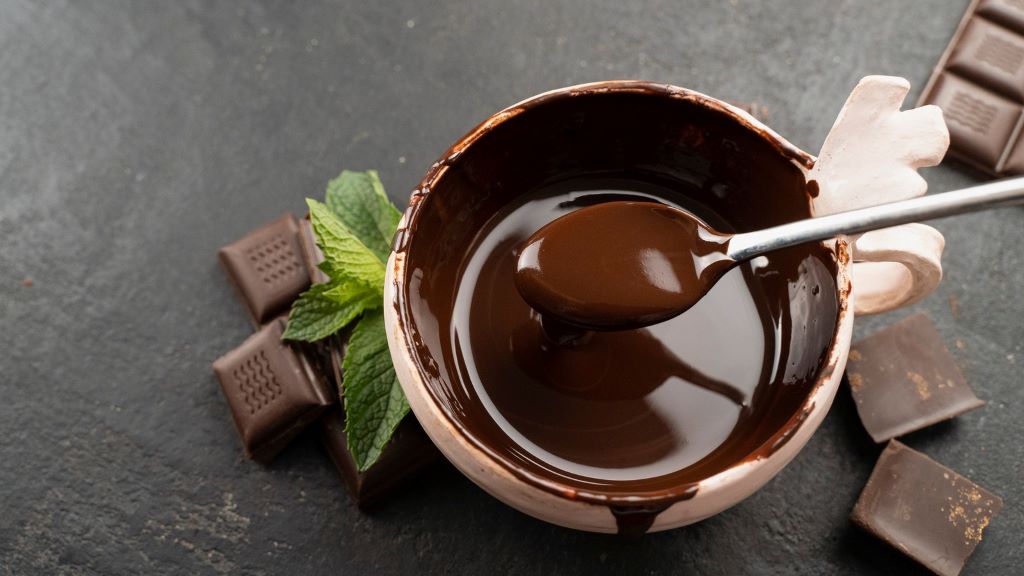
The Texture Puzzle: Why Does Some Melted Chocolate Have a Different Texture Than Others?
An essential piece of this puzzle lies in the answer to the question: why does some melted chocolate have a different texture than others? The answer lies in the crystalline structure of cocoa butter. Cocoa butter can form six different types of crystals, and only one of them — Form V — gives chocolate that glossy finish and satisfying snap. When chocolate is tempered (a precise heating and cooling process), it forms mostly Form V crystals.
However, when chocolate melts and cools down improperly, it can form lower-quality crystals, like Form IV or VI. This leads to a gritty, soft, or even chalky texture. The good news is that these changes are not dangerous, but they significantly affect the eating experience.
Why Do Stores Discount Melted Chocolate?
Many retailers implement strict quality control standards, especially for premium chocolates. When products are compromised in appearance or texture due to heat exposure, stores often place them on clearance to minimize losses. Here are some specific reasons:
- Aesthetic Decline: Blooming, where cocoa butter or sugar crystals rise to the surface, creates a white or grayish cast. While harmless, it looks unappetizing.
- Consumer Expectations: Shoppers expect smooth, glossy chocolate. Anything less may lead to complaints or returns.
- Shelf Life: Melted chocolate may have a shorter shelf life if exposed to inconsistent temperatures.
Rather than throw these products away, stores often opt to offer them at discounted prices, allowing consumers to buy usable, if slightly flawed, chocolate at a lower cost.
Transportation and Storage Challenges
Chocolate is particularly sensitive to temperature and humidity fluctuations. During transit, especially in the summer, trucks and storage areas can reach temperatures that exceed chocolate’s melting point. Without refrigerated transport or insulated packaging, even a few hours in extreme heat can ruin an entire shipment.
Additionally, once chocolate arrives in-store, improper shelving or exposure to sunlight can further degrade its quality. Retailers that notice these defects often act quickly to either remove the items from shelves or mark them down for a quick sale.
Key storage mistakes include:
- Storing chocolate near heat-emitting appliances
- Placing chocolate in sunlit window displays
- Inadequate air conditioning or refrigeration during heat waves
According to the U.S. Food and Drug Administration (FDA), foods that undergo physical changes but remain chemically safe can still be sold, as long as they are properly labeled and do not mislead the consumer.
Is Melted Chocolate Safe to Eat?
Yes — in most cases, melted chocolate that has cooled is perfectly safe to eat. However, its texture, flavor, and appearance may not match that of freshly made or well-tempered chocolate.
Still, consumers should be cautious of any off smells or mold, which indicate spoilage unrelated to melting. If the chocolate just looks dull or discolored but smells and tastes fine, it’s likely just suffered from heat damage or sugar bloom.
Can Melted Chocolate Be Fixed?
If you’ve bought a discounted, melted chocolate bar, you might wonder if there’s a way to restore it. While you can’t always recover the original texture and appearance, you can repurpose it in recipes. Here are some ideas:
- Melt and pour into molds for homemade chocolates
- Use in baking for cookies, brownies, or cakes
- Make chocolate sauces or ganache
- Blend into smoothies or hot chocolate
Tempering the chocolate again is possible, but it requires precise temperature control, which may not be practical for casual use.
FAQs
-
Why is melted chocolate sometimes gritty after it cools down?
When chocolate is improperly cooled, it forms unstable cocoa butter crystals that give it a rough or grainy texture instead of a smooth one.
-
Is chocolate with a white coating (bloom) still safe to eat?
Yes, that white coating is usually fat or sugar bloom and is safe to consume. It may affect taste and texture but not safety.
-
Can melted chocolate cause food poisoning?
Only if it has been contaminated. Melted chocolate itself, if made and stored correctly, does not inherently pose a food poisoning risk.
-
How should chocolate be stored to prevent melting?
Keep it in a cool, dark place between 15-18°C (59-65°F), away from heat sources and humidity. Avoid the refrigerator, as this can cause sugar bloom.
-
Are there specific types of chocolate that are more resistant to melting?
Dark chocolate generally has a slightly higher melting point than milk or white chocolate due to its lower fat content and lack of dairy, making it slightly more heat-resistant.
Conclusion
Understanding why chocolate melts and why it changes texture afterward is key for both curious consumers and savvy shoppers. Melted chocolate in stores is often sold at a discount due to aesthetic or textural flaws caused by poor temperature control during shipping or storage. While these products may not look perfect, they are usually safe to eat and can be repurposed creatively.
The next time you spot discounted chocolate, don’t be too quick to judge. It might just be a victim of the summer heat rather than a reflection of its quality.
Read More: Why Flaxseed Meal Is the Secret to Chewy, Delicious Cookie Dough You Need to Try