Hot water is a daily necessity, but it often goes unnoticed until something goes wrong. When water heaters fail unexpectedly, homeowners face not only discomfort but also expensive repairs, water damage, and potential hazards. Staying ahead of problems through proactive care is the best way to avoid emergencies and keep your home’s hot water supply reliable. For homeowners already facing issues, professional water heater repair services ensure safe and effective resolution, minimizing disruptions and long-term risks. Preventative maintenance isn’t just about convenience—it helps households save money, avoid damage, and ensures the safety and efficiency of their appliances. By applying the right steps and educating everyone in your home, you can significantly reduce the likelihood of water heater emergencies and advance your overall home management.
Regular Inspections
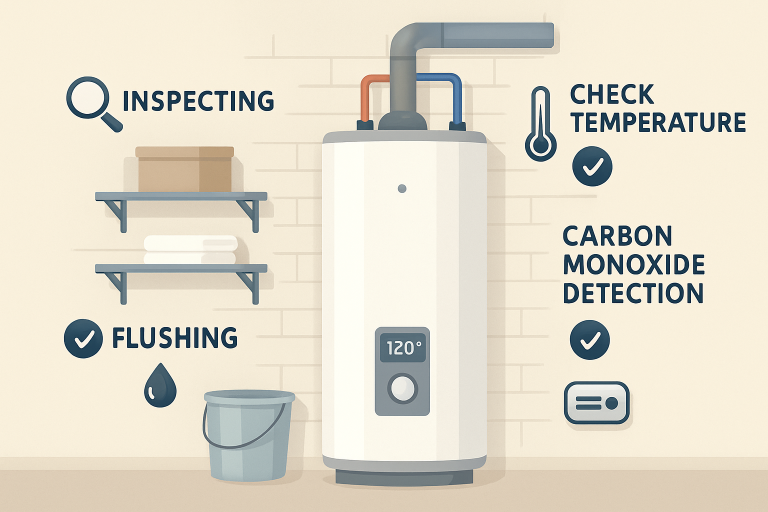
Routine inspections stand as the first line of defense against water heater emergencies. Homeowners should look for visible signs of rust, pooling water, or unexpected noises coming from the unit. The area surrounding the water heater should remain clear of clutter and any flammable materials. These simple checks catch problems early, helping you avoid extensive repairs or hazardous breakdowns.
Flushing the Tank
Over time, minerals and debris can accumulate at the bottom of your water heater’s tank, leading to reduced efficiency and potentially damaging your appliance. Annual tank flushing is recommended to remove built-up sediment. To flush your tank:
- Turn off the unit’s power source (electric or gas).
- Connect a garden hose to the drain outlet at the bottom of the tank.
- Open the valve and drain the water until it flows clear.
This process helps your water heater operate more efficiently and can add years to its service life. Proper tank flushing is particularly important when planning home improvements, especially when working with a remodel contractor who may advise on system upgrades or adjustments.
Checking the Anode Rod
The anode rod’s job is to attract corrosive elements in the water, preventing them from rusting out the tank. Check the anode rod every 2-3 years by loosening it from the top of the tank. If the rod appears less than half an inch thick or is heavily corroded, it’s time to replace it. Regular attention to this part alone can double the life expectancy of your water heater.
Setting the Right Temperature
The Department of Energy recommends a water heater setting of 120°F (49°C), which is hot enough for daily use and to prevent bacteria, but not so hot as to risk burns or waste energy. Keeping your water heater at this setting can also help prolong the heater’s internal parts and save on utility bills.
Installing Carbon Monoxide Detectors
If your home uses a gas-powered water heater, carbon monoxide (CO) safety is critical. Properly installed detectors on each level of the house – including the room near your water heater – provide vital warnings if something goes wrong. CO is invisible and odorless, but with the right alarm system, any leak can be detected in time to prevent emergency situations.
Upgrading to Energy-Efficient Models
Today’s water heaters are more energy efficient, consume less power, and come with safety enhancements that reduce both costs and risks. The U.S. Department of Energy notes that modern standards can save homeowners billions on energy costs each year. If your unit is over a decade old, consider upgrading to a high-efficiency model. These units can offer faster recovery times, better insulation, and advanced safety features. See the latest efficiency standards for more details and savings estimates.
Educating Household Members
One of the most often overlooked safety steps is making sure everyone in your household knows the basics. Educate family members on locating and operating the shutoff valves for both water and power, and recognize warning signs of water heater trouble, such as lack of hot water, strange noises, or water leaks. A well-informed household can react faster to small problems and prevent emergencies from escalating.
Emergency Preparedness
Even with all precautions, emergencies can still happen. Knowing how to quickly turn off the water supply and power to your heater is essential. Ensure the path to your heater is always clear for rapid access in case of an emergency. For added peace of mind, keep the contact information for your local professional plumber readily available so you can get expert help fast if needed. Regular maintenance, household education, and staying updated on industry advances all play critical roles in keeping hot water flowing and emergencies at bay. Modern households can maintain safe, efficient, and long-lasting water heaters by taking these preventive steps seriously.