Maintaining your fishing equipment is essential for peak performance on the water. Over time, bearings in your fishing reel accumulate dirt, salt, and degraded lubricant that can cause sluggish retrieval and potential damage. At Crazy Fishing Gear, anglers learn that proper maintenance starts with knowing how to flush old oil from reel bearings effectively. This process removes contaminants and prepares your bearings for fresh lubrication, ensuring smooth casts and retrieves for seasons to come.
Whether you fish in saltwater or freshwater environments, bearing maintenance cannot be overlooked. Neglected bearings develop resistance, create unwanted noise, and eventually fail completely. Fortunately, flushing old oil is a straightforward process that any angler can master with the right approach and materials.
Why You Need to Flush Old Oil from Bearings
Bearings operate under constant stress during fishing activities. Additionally, they encounter moisture, sand, and other debris that contaminate the lubricant over time. Old oil becomes thick and gummy, trapping particles that act like sandpaper against precision components. This contamination reduces casting distance and creates uneven drag performance.
Moreover, choosing the right fishing reel oil for your specific reel type makes a significant difference in long-term performance. However, before applying fresh lubricant, you must remove the old contaminated oil completely. Mixing old and new lubricants creates an ineffective barrier that fails to protect bearing surfaces properly.
Regular flushing extends bearing life significantly. Clean bearings spin freely with minimal friction, translating to longer casts and more sensitive bite detection. Therefore, incorporating this maintenance step into your routine saves money on replacement parts and keeps your equipment tournament-ready.
Essential Materials for Bearing Maintenance
Before starting the flushing process, gather the necessary supplies. You will need a bearing cleaning solvent specifically designed for precision components. Many anglers prefer mineral spirits or specialized bearing cleaners available at tackle shops. Additionally, you should have lint-free cloths, a small container for soaking, and compressed air or a hair dryer for drying.
Safety equipment matters during this process. Work in a well-ventilated area and consider wearing nitrile gloves to protect your hands from solvents. Keep paper towels nearby for spills and have fresh lubricant ready for immediate application after cleaning. According to maintenance experts at Field & Stream, proper preparation prevents delays and ensures thorough cleaning.
Avoid using household cleaners or degreasers not designed for bearings. These products often leave residues that attract dirt or damage bearing materials. Furthermore, never use WD-40 as a final lubricant, as it evaporates quickly and provides inadequate long-term protection for precision bearings.
Step-by-Step Guide to Flushing Reel Bearings
Disassembling Your Reel
Start by consulting your reel’s manual for specific disassembly instructions. Remove the spool carefully and locate the bearing positions. Most reels have bearings in the spool shaft, handle knobs, and various gear points. Take photos during disassembly to remember component placement for reassembly.
Use appropriate screwdrivers to avoid stripping screws. Place removed parts in organized containers to prevent loss. Mark bearing orientations if they have shields on only one side, as reinstalling them backward affects performance negatively.
Removing Bearing Shields
Many bearings come with rubber or metal shields that protect internal components. Carefully pry these shields off using a precision screwdriver or needle. Work gently to avoid bending shields, as you may want to reinstall them later. Some bearings have C-clips that require needle-nose pliers for removal.
Once shields are removed, you can access the ball bearings and races directly. This exposure allows solvents to penetrate completely and flush out all contaminated oil. However, some sealed bearings cannot be opened and require external cleaning only.
Soaking and Agitating
Place bearings in a small container filled with cleaning solvent. Ensure complete submersion for effective cleaning. Let bearings soak for five to ten minutes initially. Then, gently agitate the container or use a soft brush to loosen stubborn deposits.
For heavily contaminated bearings, change the solvent and repeat the process. You will notice the solvent becoming discolored as it removes old oil and debris. Continue until the solvent remains relatively clear after soaking, indicating thorough cleaning.
Drying Bearings Completely
After the final solvent rinse, remove bearings and allow excess liquid to drip off. Use compressed air to blow out remaining solvent from between balls and races. Hold bearings firmly during this step, as high-pressure air can cause them to spin rapidly and potentially fly away.
Alternatively, use a hair dryer on a cool or warm setting to evaporate remaining solvent. Never use high heat, which can damage bearing materials or alter their precise tolerances. Ensure bearings are completely dry before applying new lubricant, as moisture contamination causes rust and premature failure.
Applying Fresh Lubricant
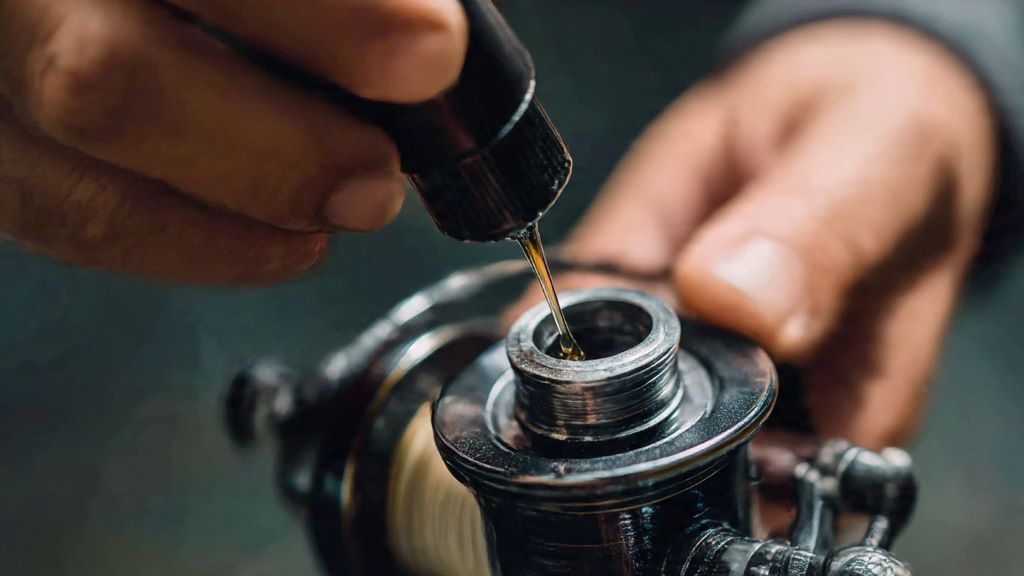
Once dry, immediately apply fresh lubricant to prevent flash rusting. Place a single drop of oil on each bearing, allowing it to penetrate between components. Spin the bearing gently to distribute lubricant evenly. Excess oil attracts dirt, so use minimal amounts for optimal performance.
For high-speed applications, lighter oils work best. Heavier greases suit reels used in harsh saltwater conditions. Match your lubricant choice to fishing conditions and reel specifications for best results.
Maintenance Frequency Recommendations
How often should you flush reel bearings? This depends on usage intensity and fishing environment. Saltwater anglers should flush bearings after every five to ten trips. Freshwater anglers can extend intervals to fifteen or twenty outings. However, if you notice decreased performance or unusual sounds, clean bearings immediately regardless of time elapsed.
Tournament anglers often flush bearings before major competitions to ensure peak performance. Casual weekend anglers might schedule maintenance seasonally. Additionally, always flush bearings before long-term storage to remove moisture and prevent corrosion during inactive periods.
Keep maintenance logs noting when you serviced each reel. This record helps establish patterns and predict when future maintenance becomes necessary. Consistent care prevents unexpected failures during critical fishing moments.
Common Mistakes to Avoid
Many anglers make critical errors during bearing maintenance. Over-lubrication ranks as the most common mistake, creating resistance and attracting contaminants. Remember that bearings need only minimal oil for protection and smooth operation. Therefore, less is more when applying fresh lubricant.
Another frequent error involves using inappropriate solvents that damage bearing materials. Avoid acetone or harsh chemicals unless specifically recommended by bearing manufacturers. Furthermore, never reassemble reels with wet bearings, as trapped moisture causes immediate corrosion problems.
Rushing the drying process leads to contamination issues. Additionally, forgetting to photograph disassembly steps results in improper reassembly. Take your time and work methodically for best results.
Signs Your Bearings Need Attention
Listen for unusual sounds during reel operation. Grinding or clicking noises indicate contaminated or damaged bearings requiring immediate attention. Rough rotation or increased resistance when turning the handle also signals maintenance needs.
Visual inspection reveals problems too. Discolored lubricant appearing dark or gritty confirms contamination. Rust spots or corrosion on bearing surfaces demand immediate cleaning and re-lubrication. Moreover, reduced casting distance often traces back to bearing friction issues.
Address warning signs promptly to prevent bearing failure. Catching problems early preserves bearing integrity and prevents damage to surrounding reel components.
Conclusion
Flushing old oil from reel bearings represents essential maintenance for serious anglers. This process removes contaminants, prevents premature wear, and ensures optimal reel performance. By following proper procedures and using appropriate materials, you can extend bearing life significantly while maintaining peak casting and retrieval smoothness.
Regular maintenance schedules based on fishing frequency and environment keep equipment tournament-ready. Remember to work carefully during disassembly, use appropriate solvents, dry components completely, and apply minimal fresh lubricant. These simple steps protect your investment and enhance your fishing experience every time you hit the water.
Frequently Asked Questions
How often should I flush my fishing reel bearings?
Saltwater anglers should flush bearings every five to ten fishing trips due to corrosive salt exposure. Freshwater anglers can extend this interval to fifteen or twenty outings. However, flush immediately if you notice performance degradation or unusual sounds. Tournament preparation always benefits from fresh bearing maintenance regardless of time since last service.
Can I use WD-40 to clean and lubricate my reel bearings?
WD-40 works well as a cleaning solvent to flush old oil but should never serve as final lubrication. It evaporates quickly and provides inadequate long-term protection for precision bearings. After cleaning with WD-40, always apply proper fishing reel oil or grease designed specifically for bearing applications to ensure lasting performance and protection.
What is the best solvent for cleaning fishing reel bearings?
Mineral spirits or specialized bearing cleaning solvents work best for fishing reel maintenance. These products effectively dissolve old oil and contaminants without damaging bearing materials. Avoid harsh chemicals like acetone or household degreasers that may leave residues or cause material degradation. Always work in well-ventilated areas when using any solvent products.
Should I remove bearing shields before cleaning?
Removing shields allows thorough cleaning and complete old oil removal. However, some sealed bearings cannot be opened without damage. For removable shields, carefully pry them off to access internal components fully. This exposure ensures solvents reach all contaminated areas. You can reinstall shields after cleaning for additional protection against future contamination.
How much oil should I apply to clean bearings?
Apply only one small drop of oil per bearing. Excess lubricant attracts dirt and creates unnecessary drag on moving parts. Spin the bearing gently after application to distribute oil evenly throughout internal components. Remember that bearings require minimal lubrication to function optimally, so resist the temptation to over-apply oil during maintenance.
Related Topics: