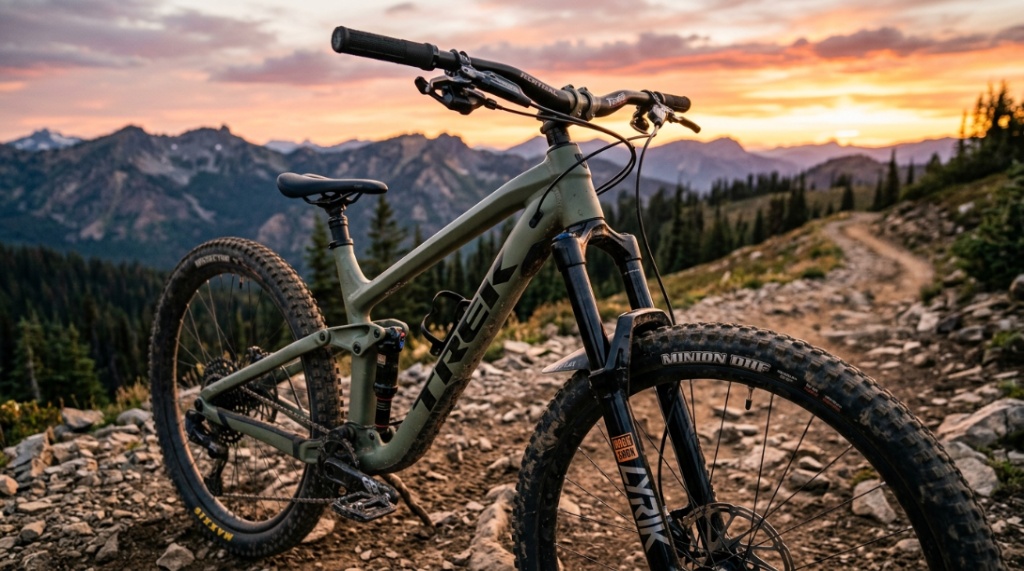
You’ve been burned before. Maybe you bought a budget bike that started creaking after three rides, or perhaps the suspension turned into a pogo stick by mid-summer. You are not alone. The problem is that the market is flooded with bikes that look tough but fall apart under real pressure. You need a Durable Mountain Bike + mountain bike features that can handle rocks, roots, and years of abuse without leaving you stranded on the trail. This guide cuts through the marketing fluff and gives you a practical blueprint for choosing a bike built to last.
What Makes a Mountain Bike Truly Durable?
Durability comes from three pillars: the frame material, the component spec, and the quality of the assembly. A truly durable mountain bike uses materials that resist fatigue, components that can be serviced rather than replaced, and tolerances that keep everything tight over time. Aluminum and chromoly steel frames offer the best longevity for the price, while carbon frames require careful inspection for hidden cracks. The weakest link in any bike is usually the bottom bracket, headset, or suspension pivots, so look for sealed cartridge bearings and replaceable dropouts.
Frame Materials That Last
- Chromoly Steel: Offers a smooth ride, is easy to repair, and can handle years of hard hits. Heavier but nearly indestructible.
- 6061 or 7005 Aluminum: Lightweight and corrosion-resistant. It will last a decade if you avoid deep scratches or dents.
- Carbon Fiber: Light and stiff, but it requires regular inspection for delamination or impact damage.
Component Groups to Prioritize
A Shimano Deore or SRAM SX/NX groupset provides a high level of durability without the premium price. Deore is widely considered the sweet spot for long-term reliability because replacement parts are easy to find and inexpensive.
How Long Should a High-Quality Mountain Bike Last?
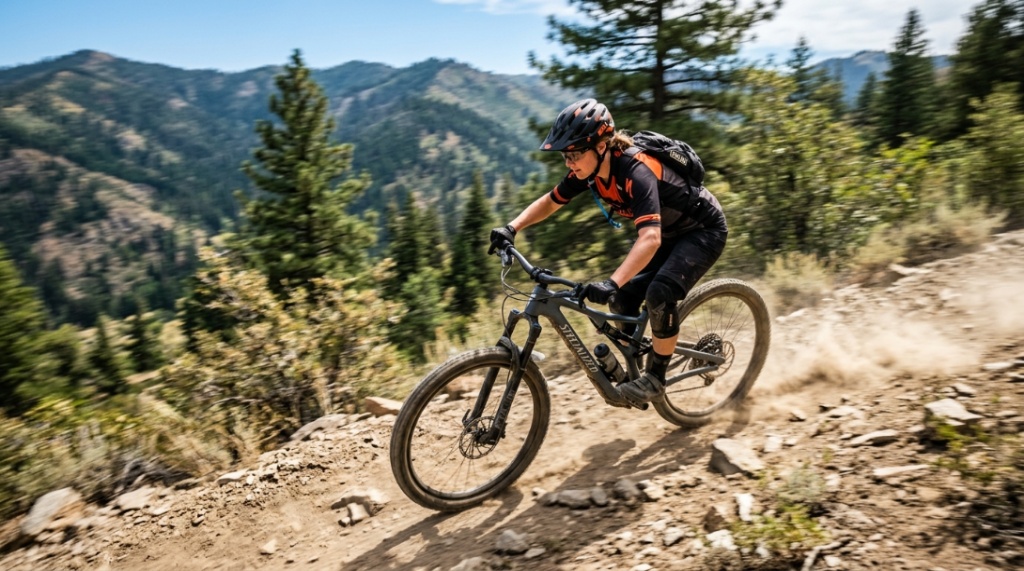
A well-maintained, high-quality mountain bike should last between 10 and 20 years for the frame, with component replacements happening every 2 to 5 years depending on usage. The frame is the anchor. If you buy a bike with a lifetime warranty on the frame, that is a strong indicator of durability. Frames from brands like Santa Cruz, Yeti, or Specialized often come with these warranties. Components like chains, cassettes, and brake pads are consumable items and will need replacement, but a good drivetrain can last 3,000 to 5,000 miles with proper cleaning and lubrication.
Which Mountain Bike Suspension Is Built for Longevity?
Air suspension forks from Fox, RockShox, or Marzocchi offer the best durability when properly maintained. Coil springs are more durable in theory (no seals to fail), but they are heavier and offer less adjustability. The key to suspension longevity is serviceability. Look for forks and shocks that allow you to replace the seals, oil, and wiper rings easily. A fork with a 35mm or 36mm chassis will be stiffer and more robust than a 32mm fork, which is better suited for cross-country riding.
Suspension Maintenance Tips
- Clean the stanchions after every ride in muddy conditions.
- Perform a lower leg service every 50 hours of riding.
- Replace the damper oil annually for consistent performance.
Is a Full-Suspension Bike More Durable Than a Hardtail?
Full-suspension bikes have more moving parts that can fail, including pivots, bushings, and shock mounts. However, the frame itself often lasts longer because the suspension reduces stress on the main triangle. Hardtails are simpler and easier to maintain long-term, but they transfer more vibration and impact to the frame and rider. For all-around durability, a modern hardtail is usually the most reliable choice if you are willing to trade some comfort for simplicity. Full-suspension bikes are more durable in the sense that they protect the rider from fatigue, but they require more maintenance.
When Should You Upgrade Components Instead of Buying a New Bike?
Upgrade components when the frame is still solid but the drivetrain or brakes are worn out. A good rule of thumb is to upgrade the wheelset first, as high-quality wheels with sealed cartridge bearings will transform the ride feel and last longer than stock wheels. You should replace the bike entirely if the frame is cracked, the bottom bracket shell is ovalized, or the suspension standards (hub spacing, head tube angle) are too outdated to find compatible parts.
Common Upgrades for Longevity
- Wheelset with high spoke count (32 or 36 spokes) for added strength.
- Dropper post with an internally routed cable to avoid corrosion.
- High-quality tires with tougher sidewalls (EXO or DD casing).
- Shimano or SRAM drivetrain with a clutch derailleur.
Can a Budget Mountain Bike Really Last for Years?
Yes, but only if you choose wisely. Budget bikes under $600 often use cheap components that fail quickly, especially the hubs and bottom bracket. However, some budget-friendly models like the Durable Mountain Bike offer a solid frame and basic components that can be upgraded over time. The key is to inspect the frame quality—look for smooth welds and straight alignment. Avoid bikes with plastic derailleurs, stamped dropouts, or unsealed bearings. If you buy a budget bike, plan to replace the tires and saddle immediately, as these are often the weakest points.
What Are the Most Important Mountain Bike Features for Long-Term Reliability?
Seven features directly impact long-term reliability: sealed cartridge bearings, a threaded bottom bracket, a 1x drivetrain, a dropper post with internal routing, boost hub spacing, a clutch derailleur, and a frame with replaceable dropouts. A threaded bottom bracket is far more durable than a press-fit one, which is prone to creaking over time. Boost hub spacing (110/148mm) gives you better wheel stiffness and chainline stability, which reduces drivetrain wear. The 1x drivetrain is simpler, has fewer moving parts, and is less likely to drop chains than older 2x or 3x systems.
Comparison of Bottom Bracket Standards
| Bottom Bracket Type | Durability Rating | Ease of Service |
|---|---|---|
| Threaded (BSA) | High | Easy |
| Press-fit (BB86, PF30) | Medium | Difficult |
| Integrated (T47) | Very High | Moderate |
How Does Proper Maintenance Extend a Mountain Bike’s Lifespan?
Proper maintenance can triple the lifespan of your drivetrain and suspension. Cleaning your bike after every ride, lubricating the chain every 100 miles, and periodically checking bolt torque prevents premature wear. The most common failure points are dry chains, loose headset bearings, and contaminated brake fluid. A simple monthly inspection routine can catch problems before they become expensive repairs. Invest in a quality bike stand and a basic tool kit, including a torque wrench, chain checker, and suspension pump.
Monthly Maintenance Checklist
- Inspect chain wear with a chain checker tool.
- Tighten all bolts to manufacturer specifications.
- Check spoke tension and true the wheels.
- Pivot bolt inspection for full-suspension bikes.
- Suspension air pressure adjustment.
Which Brands Are Known for Making Bikes That Last?
Brands with strong reputations for durability include Santa Cruz, Yeti, Specialized, Trek, and Ibis. These manufacturers use high-quality hydroformed aluminum or carbon fiber and offer robust warranty programs. For more budget-conscious buyers, brands like Giant, Kona, and Marin also produce durable frames at lower price points. Avoid brands that use proprietary parts or unusual standards that may become obsolete quickly. A brand that has been in business for 20+ years is more likely to support legacy parts than a new entrant.
What Should You Inspect Before Buying a Used Mountain Bike?
Inspect the frame for cracks, dents, or paint bubbling (a sign of fatigue), and check the suspension for leaking oil or pitted stanchions. Spin the wheels to check for bent rims and loose spokes. Test the drivetrain for skipping gears, and listen for grinding sounds from the bottom bracket or hubs. A used bike can be a great value, but only if the frame is sound. If the frame has a crack, walk away. If the components are worn, you can use that as a negotiation point and plan for replacements.
Can You Upgrade a Cheap Bike to Make It Last Longer?
Yes, but only within reason. Upgrading the wheelset, brakes, and drivetrain can dramatically improve a cheap bike’s reliability. However, if the frame geometry is outdated (like a steep head angle and short wheelbase) or the suspension is non-adjustable, the bike will always feel limited. The best candidates for upgrades are bikes with a quality frame but low-end components. Avoid upgrading bikes with frames that have press-fit bottom brackets or non-tapered headtubes, as those standards limit future upgrades.
Before buying, think about where you will ride. A durable bike should handle everything from local rocky trails to smoother, scenic holiday routes. If you are planning a cycling trip to test your new ride, check out these ten great places to visit in Gloucestershire, which offer fantastic terrain for outdoor enthusiasts.”
Frequently Asked Questions
How many miles does a typical mountain bike last before needing major repairs?
A well-maintained mountain bike can go 3,000 to 5,000 miles before needing a major drivetrain overhaul. The frame itself can last 10,000 miles or more with proper care. Suspension servicing is typically needed every 50 to 200 hours of riding.
Is carbon fiber more durable than aluminum for mountain bikes?
Carbon fiber is more resistant to corrosion and fatigue, but it is less impact-resistant than aluminum. Aluminum will dent but remain rideable, while carbon fiber can crack without visible damage. For aggressive trail riding, aluminum is often more practical for durability.
What is the most durable type of mountain bike brakes?
Shimano Deore or SLX hydraulic disc brakes are widely considered the most durable for the price. They offer consistent performance, easy bleeding, and readily available replacement pads. Mechanical disc brakes require more adjustment and are less powerful in wet conditions.
How often should I replace my mountain bike chain?
Replace the chain every 1,500 to 2,000 miles, or when a chain checker tool reads 0.5% wear. Waiting too long to replace the chain can wear out the cassette and chainrings, which costs much more to replace.
Do tubeless tires make a bike more durable?
Yes, tubeless tires reduce the risk of pinch flats and allow you to run lower tire pressures for better traction. The setup is more maintenance-intensive than tubes (requires sealant replacement every 3 months), but it significantly extends the lifespan of the tire casing.
Why do mountain bike headsets fail early?
Headsets fail early when they are not properly maintained or when cheap unsealed bearings are used. Water and dirt ingress is the primary cause. Look for bikes with sealed cartridge bearings and a tapered headtube, which distributes loads more evenly and lasts longer.
Are aluminum wheels more durable than carbon wheels?
Aluminum wheels are more impact-resistant and easier to repair than carbon wheels. Carbon wheels are lighter and stiffer but can crack under hard hits. For long-term durability in rough terrain, high-quality aluminum wheels with 32 spokes are the best choice.
Conclusion
Choosing a mountain bike that lasts for years is not about spending the most money. It is about understanding the key components that endure. Focus on a frame with a lifetime warranty, a threaded bottom bracket, sealed bearings, and a simple 1x drivetrain. Prioritize brands with a long history and avoid proprietary parts that limit future upgrades. Your next mountain bike should feel like an investment, not a disposable toy. Use the checklist you just learned to inspect new and used options with confidence. The trail is calling, and with the right durable mountain bike, you will answer that call for many seasons to come.
Now, go check your current bike’s bottom bracket and chain wear. If you are shopping, take a torque wrench with you. You will be glad you did.