Many drivers upgrade their car audio systems to enjoy richer sound and stronger bass. However, electrical issues often appear after these upgrades. Studies show that aftermarket audio systems can increase vehicle electrical demand by more than 30%. Additionally, blown fuses rank among the most common electrical complaints after stereo modifications. Understanding car stereo amp current draw helps owners prevent costly problems. This knowledge becomes even more important in Dallas, TX, where heat places extra pressure on vehicle electrical systems.
Understanding How Car Audio Systems Affect Electrical Loads
Modern sound systems require much more power than factory-installed units. Amplifiers, subwoofers, and signal processors consume significant electrical current. As a result, the factory fuse setup may struggle to support new demands. Consequently, fuse failures become more frequent when owners skip electrical upgrades.
Many drivers focus only on speaker quality and amplifier power. However, they often overlook the vehicle’s electrical limitations. Factory wiring usually supports original equipment only. Therefore, adding powerful audio components can overload existing circuits. Eventually, fuses blow to protect the system from damage.
Dallas drivers often customize vehicles extensively. While upgrades improve entertainment value, they also increase electrical stress. Heat compounds this challenge throughout much of the year. Therefore, sound system installations require careful planning and proper electrical calculations.
Why Fuses Blow After Sound System Upgrades
Excessive Current Demand
Large amplifiers require substantial current during peak audio output. Bass-heavy music creates sudden power spikes. As a result, circuits draw more electricity than factory fuses can handle. Eventually, the fuse interrupts the flow to prevent overheating.
Some owners install multiple amplifiers for enhanced performance. However, they rarely upgrade supporting electrical components. Consequently, the system exceeds safe operating limits. This mismatch often causes repeated fuse failures. Therefore, electrical capacity must match audio system requirements.
Incorrect Fuse Ratings
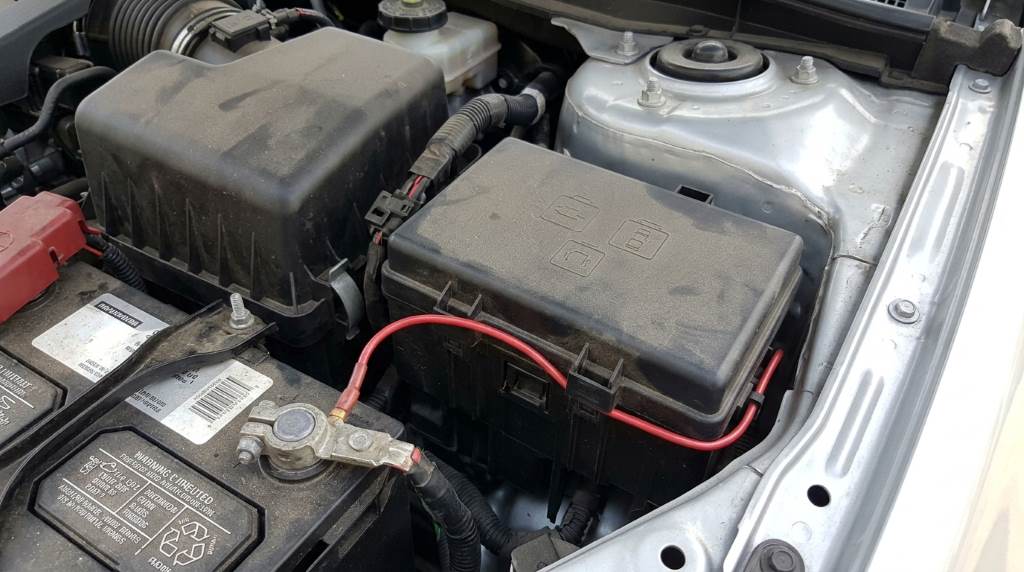
Many installers use replacement fuses with improper ratings. Some choose lower ratings that blow frequently. Others select larger fuses that reduce protection. Therefore, both situations create serious risks. Proper fuse selection remains essential for system safety.
Vehicle owners sometimes attempt quick fixes without diagnosing the cause. For example, drivers who enjoy DIY maintenance often research topics like car scratch removal with household items. However, electrical systems require more precise evaluation. Consequently, fuse problems should never rely on guesswork.
Undersized Wiring
Wire size directly affects electrical performance. Thin wires create resistance when current increases. As a result, heat builds throughout the circuit. Eventually, fuses respond by disconnecting the overloaded pathway.
Many budget installations reuse factory wiring. Although this approach reduces costs, it increases risk. Furthermore, voltage drops affect amplifier performance. Therefore, professional installers often recommend thicker power cables for upgraded systems.
The Dallas Climate Factor Most Drivers Ignore
Dallas experiences long periods of intense summer heat. Vehicle interiors can exceed 140 degrees Fahrenheit on hot days. Consequently, electrical components operate under greater stress. Heat increases resistance and reduces efficiency throughout the system.
Fuses become more sensitive when temperatures rise. Additionally, wiring insulation ages faster under extreme heat exposure. Therefore, upgraded sound systems face greater electrical challenges in Dallas compared to cooler regions. This local factor explains many recurring fuse issues.
High temperatures also affect battery performance. Although batteries generate power, excessive heat accelerates internal wear. Consequently, unstable voltage delivery can increase electrical strain. Over time, fuse failures become more common.
An Overlooked Issue: Bass Frequencies and Thermal Cycling
One rarely discussed cause involves thermal cycling created by heavy bass use. Powerful bass repeatedly increases current demand within seconds. As a result, wiring and fuse elements experience constant heating and cooling. This cycle gradually weakens electrical components.
Unlike steady electrical loads, bass frequencies create rapid fluctuations. Therefore, fuse materials endure repeated expansion and contraction. Over time, this stress reduces durability. Eventually, fuses fail even when current levels appear normal.
Drivers who attend local audio competitions often encounter this issue. High-output systems create intense electrical cycling during demonstrations. Consequently, fuse reliability declines faster than expected. Understanding this effect helps prevent repeated failures.
Signs Your Audio Upgrade Is Causing Fuse Problems
- Fuses blow shortly after increasing volume.
- Amplifiers shut down unexpectedly.
- Interior lights dim during bass hits.
- Battery drains faster than usual.
- Audio quality becomes inconsistent.
- Electrical burning smells appear.
- Vehicle accessories behave unpredictably.
Recognizing these warning signs early prevents larger repairs. Moreover, prompt action protects expensive audio equipment. Therefore, drivers should investigate recurring symptoms immediately. Waiting often increases repair costs.
Common Installation Mistakes That Trigger Fuse Failures
Poor Ground Connections
Grounding provides a return path for electrical current. Weak ground connections create resistance and instability. Consequently, amplifiers work harder to maintain performance. This added strain often contributes to blown fuses.
Improper Power Distribution
Multiple amplifiers require balanced power distribution. However, some installations rely on a single undersized connection. As a result, electrical bottlenecks develop. Eventually, protective fuses interrupt the overloaded circuit.
Ignoring Diagnostic Symptoms
Electrical issues rarely appear without warning signs. Drivers sometimes overlook small symptoms until failures become severe. Similarly, vehicle owners researching diagnose intermittent misfire on a cold start understand the value of early diagnosis. The same principle applies to audio-related electrical problems.
How to Prevent Fuse Problems After Upgrading Your Sound System
Upgrade the Electrical System First
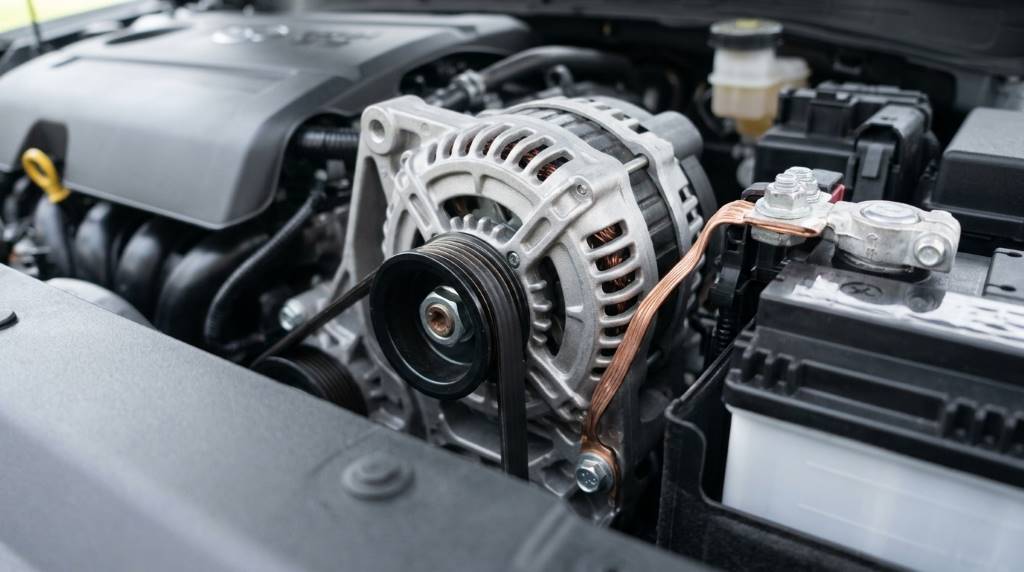
Many experts recommend strengthening electrical infrastructure before adding large amplifiers. Upgraded alternators improve power generation capacity. Furthermore, high-quality batteries stabilize voltage delivery. Therefore, supporting components reduce fuse-related failures.
Use Correct Wire Gauge
Wire gauge selection depends on amplifier current demand. Larger systems require thicker cables. Consequently, proper wiring reduces resistance and heat buildup. This improvement significantly lowers fuse failure risk.
Install Dedicated Fuse Protection
Dedicated fuses protect individual audio components. This setup isolates faults before they affect other circuits. As a result, troubleshooting becomes easier. Additionally, equipment receives better protection during overload events.
Monitor Voltage Levels
Voltage monitoring reveals hidden electrical problems. Many audio enthusiasts install digital voltage gauges. Therefore, they identify fluctuations before damage occurs. Consistent monitoring supports long-term system reliability.
Why Professional Installation Matters
Professional installers evaluate total electrical demand before beginning work. They calculate current requirements accurately. Consequently, they select appropriate wiring and fuse protection. This planning minimizes future electrical failures.
Experienced technicians also identify weaknesses within existing electrical systems. Moreover, they account for local climate conditions. Therefore, Dallas drivers benefit from solutions designed for regional temperatures. Professional expertise often prevents recurring fuse issues.
Many professionals inspect related vehicle systems during installation. For example, they may notice paint or exterior maintenance concerns while discussing vehicle care. Drivers interested in maintaining your cars paint finish often appreciate a complete vehicle protection approach. Comprehensive maintenance supports long-term ownership value.
Choosing the Right Audio Components for Dallas Vehicles
Not every sound system suits every vehicle. High-powered equipment may exceed available electrical capacity. Therefore, component selection should match vehicle specifications. Balanced systems often perform better than oversized setups.
Heat-resistant components provide another advantage in Dallas. Quality amplifiers handle temperature fluctuations more effectively. Additionally, premium wiring maintains performance during summer conditions. Consequently, the system experiences fewer electrical interruptions.
Drivers should also consider future upgrades during planning. A scalable design supports additional components later. Therefore, electrical infrastructure remains prepared for expansion. This strategy reduces future installation costs.
Conclusion
Upgraded sound systems can transform the driving experience, yet they also increase electrical demand. Fuse problems often result from excessive current draw, poor wiring, incorrect fuse ratings, and Dallas heat. Furthermore, overlooked factors like thermal cycling can accelerate electrical wear. By upgrading supporting electrical components and following professional installation practices, drivers can avoid recurring fuse failures. If your upgraded audio system causes electrical issues, schedule a thorough inspection before minor problems become expensive repairs.
FAQs
Why does my fuse blow when I increase the volume?
Your amplifier likely draws more current than the circuit can safely support.
Can Dallas heat make fuse problems worse?
Yes, high temperatures increase electrical stress and accelerate component wear.
Should I upgrade my alternator with a powerful sound system?
Yes, larger audio systems often benefit from increased charging capacity.
Do thicker wires help prevent blown fuses?
Yes, proper wire gauge reduces resistance and improves electrical efficiency.
Can a bad ground connection cause fuse failures?
Yes, poor grounding creates instability that can overload circuits.