Imagine standing at the edge of a bustling construction site, where the hum of machinery and the clatter of steel create a symphony of progress. Now, picture freezing that moment in time—a towering crane silhouetted against a vibrant sunset, workers in high-visibility vests collaborating on a skyscraper’s skeleton, or the intricate details of a freshly poured foundation. This is the power of construction photography, an art form that transforms raw building sites into compelling visual stories. In 2025, construction photography is more than just documentation; it’s a vital tool for showcasing progress, attracting clients, and preserving the legacy of architectural achievements. Whether you’re a contractor, architect, or real estate developer, understanding the value of professional construction photography can elevate your projects and brand. In this article, we’ll explore why construction photography matters, how to execute it effectively, and tips to optimize its impact for your business.
Why Construction Photography Matters
Construction photography goes beyond snapping pictures of a work in progress. It serves multiple purposes, from marketing to legal documentation, making it an indispensable asset in the construction industry.
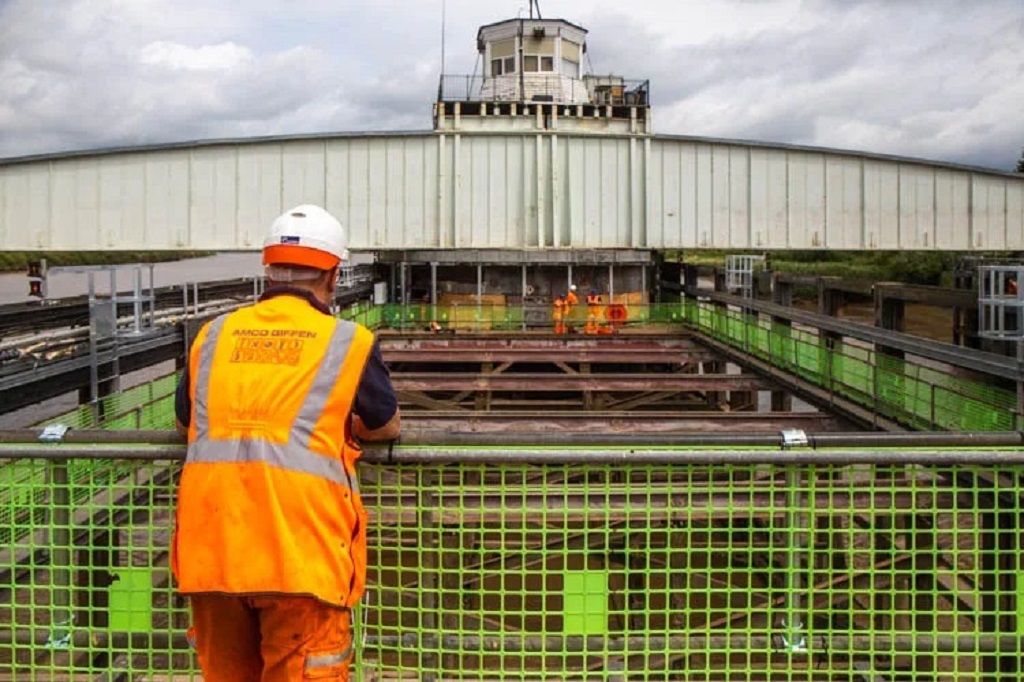
Documenting Progress and Milestones
Every construction project is a journey, and high-quality photography captures each phase—demolition, groundwork, framing, and completion. These images provide a visual timeline, helping stakeholders track progress, identify issues, and celebrate milestones. For example, time-lapse photography can condense months of work into a mesmerizing video, showcasing the transformation from empty lot to finished structure.
Marketing and Branding
In a competitive industry, striking visuals set you apart. Professional construction photos highlight your expertise, showcasing the quality of your work to potential clients. Whether it’s a sleek office building or a cozy residential home, well-composed images on your website, social media, or portfolio can attract investors, buyers, and partners. According to a 2024 study by the Construction Marketing Association, projects with professional photography saw a 35% increase in client inquiries compared to those with amateur images.
Legal and Insurance Purposes
Construction sites are dynamic environments with inherent risks. Detailed photographs serve as evidence in case of disputes, accidents, or insurance claims. Capturing before-and-after shots of specific installations, such as plumbing or electrical systems, can protect contractors from liability and ensure compliance with building codes.
Preserving Legacy
Every structure tells a story, and construction photography immortalizes that narrative. Iconic projects, like the Burj Khalifa or local community centers, gain historical significance through images that capture their creation. These photos become part of a project’s legacy, shared with future generations or featured in industry publications.
Key Elements of Effective Construction Photography
To create impactful construction photography, you need more than a smartphone camera. Here’s how to elevate your images to professional standards.
-
Invest in the Right Equipment
While smartphones have improved, professional construction photography demands high-quality gear. A DSLR or mirrorless camera with a wide-angle lens (16-35mm) is ideal for capturing expansive site overviews. Tripods ensure stability for time-lapse or low-light shots, while drones provide aerial perspectives that showcase a project’s scale. In 2025, drones with 8K resolution and AI-assisted flight paths are increasingly affordable, starting at around $1,000 for professional-grade models.
-
Master Lighting and Timing
Lighting can make or break a construction photo. Golden hour—shortly after sunrise or before sunset—offers soft, warm light that enhances textures and colors. Avoid harsh midday sunlight, which creates unflattering shadows. For interior shots, use artificial lighting or reflectors to illuminate tight spaces like stairwells or basements.
-
Focus on Composition
Great construction photography balances creativity and clarity. Use the rule of thirds to position key elements, like cranes or scaffolding, off-center for visual interest. Incorporate leading lines, such as roads or beams, to guide the viewer’s eye through the image. Highlight human elements—workers, architects, or engineers—to add scale and relatability.
-
Leverage Drone Photography
Aerial photography has revolutionized construction documentation. Drones capture angles that ground-based cameras can’t, revealing the full scope of a project. They’re also cost-effective for progress monitoring, with software like DroneDeploy integrating photos into 3D models for analysis. Ensure your photographer is licensed by the FAA (or equivalent in your country) to operate drones commercially.
-
Post-Processing for Polish
Editing software like Adobe Lightroom or Photoshop enhances construction photos by adjusting exposure, contrast, and color balance. Subtle edits can make a cloudy day look vibrant or emphasize the texture of materials like concrete or steel. Avoid over-editing, which can make images look unnatural and undermine credibility.
Best Practices for Construction Photography in 2025
To maximize the impact of your construction photography, follow these best practices tailored to current trends and technology.
Plan Your Shots
Before shooting, create a shot list based on project milestones, such as foundation pouring or steel framing. Coordinate with site managers to ensure safety and access. For example, schedule drone shoots during low-activity periods to avoid disruptions.
Prioritize Safety
Construction sites are hazardous, so photographers must follow safety protocols. Wear appropriate PPE (personal protective equipment), like hard hats and steel-toe boots, and stay clear of active machinery. Use telephoto lenses to capture detailed shots from a safe distance.
Incorporate Technology
In 2025, AI-powered tools are transforming construction photography. Software like Pix4D can stitch aerial images into detailed site maps, while AI editing tools like Luminar AI streamline post-processing. Virtual reality (VR) integrations also allow clients to “walk” through a site using 360-degree photos, enhancing engagement.
Tell a Story
Your photos should convey the project’s narrative. Capture the human element—workers collaborating or architects reviewing plans—to add emotional depth. Sequence images to show progress, from groundbreaking to ribbon-cutting, creating a cohesive story for marketing or client presentations.
Optimize for SEO
When sharing construction photos online, optimize them for search engines. Use descriptive file names (e.g., “downtown-skyscraper-construction-2025.jpg”) and alt text (e.g., “Aerial view of downtown skyscraper construction in progress”). Include relevant keywords like “construction photography,” “architectural photography,” or “building site images” in captions and blog content. Compress images to reduce load times, as site speed is a key Google ranking factor.
How Construction Photography Boosts Business Growth
High-quality construction photography isn’t just about aesthetics—it’s a strategic investment. Here’s how it drives tangible business outcomes.
Attracting Clients
Professional photos showcase your expertise, making your portfolio stand out. For example, a real estate developer using vibrant images of a completed condo project can attract buyers faster than one relying on grainy smartphone shots. Social media platforms like Instagram and LinkedIn amplify this effect, with visually appealing posts generating up to 60% more engagement, per 2024 marketing data.
Building Trust
Transparency builds credibility. Sharing progress photos with clients or stakeholders demonstrates accountability and keeps them informed. This is especially crucial for large-scale projects, where regular visual updates can reassure investors about timelines and quality.
Enhancing Bids and Proposals
Including professional photos in project bids or proposals can tip the scales in your favor. Visuals of past projects prove your capability, while progress shots of current work show your commitment to quality. According to a 2025 industry report, contractors using professional photography in bids won 20% more contracts than those without.
Related Topic: What is the Nature of Business
Common Mistakes to Avoid
Even experienced photographers can make missteps in construction photography. Here are pitfalls to watch out for:
- Ignoring Safety Protocols: Failing to follow site safety rules risks accidents and delays.
- Poor Timing: Shooting in harsh light or during chaotic site activity can result in unusable images.
- Overlooking Editing: Unedited photos may look flat or unprofessional, reducing their impact.
- Neglecting Permissions: Always secure client or site manager approval before sharing photos, especially for sensitive projects.
Related Topic: Plumbing Companies Near Me
Conclusion: Elevate Your Projects with Construction Photography
In 2025, construction photography is more than a niche—it’s a game-changer for contractors, architects, and developers. By capturing the essence of a project, from the first shovel in the ground to the final coat of paint, professional photography tells a story that resonates with clients, stakeholders, and future generations. Whether you’re documenting progress, boosting your brand, or protecting your business, high-quality images are a powerful tool. Ready to take your construction projects to the next level? Invest in professional construction photography today and watch your portfolio—and your business—shine.
Call to Action: Have you used construction photography to elevate your projects? Share your experiences in the comments below or contact a professional photographer to start capturing your site’s story. For more tips on construction marketing, subscribe to our blog!