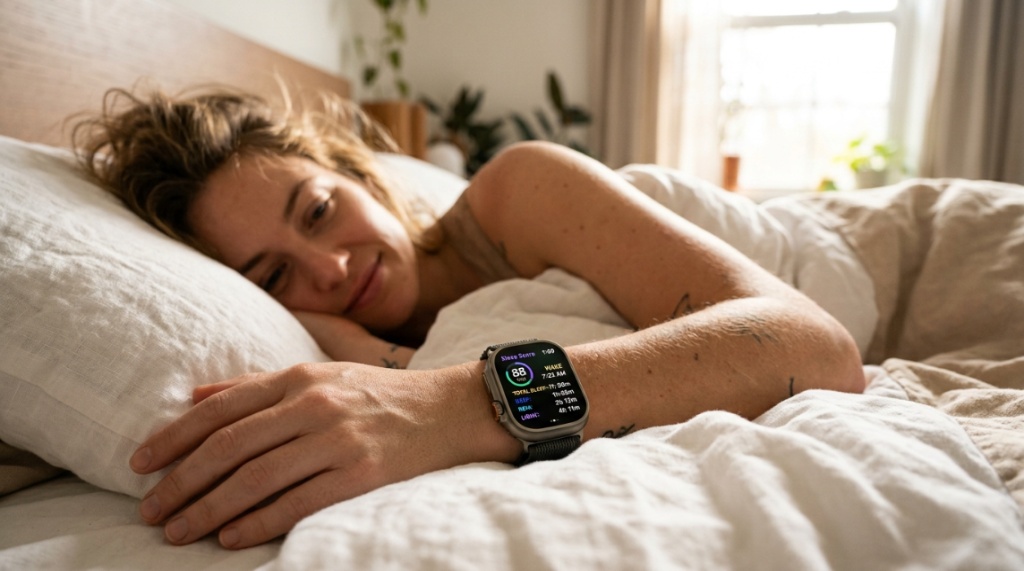
You lie in bed, exhausted, yet you wake up feeling like you haven’t slept at all. You want to understand your sleep patterns, but you don’t want to spend a fortune on a high-end smartwatch. The problem is real: budget smartwatches often sacrifice accuracy for price, leaving you with useless data. Finding accurate sleep tracking smartwatches budget options that actually work is the challenge. This guide will teach you exactly what to look for, which sensors matter, and how to avoid wasting money on a device that lies to you about your sleep quality.
What Makes a Smartwatch Accurate for Sleep Tracking?
Accuracy in sleep tracking comes down to hardware and software working together. A budget-friendly watch cannot use medical-grade polysomnography, but it can use validated algorithms and quality sensors to provide reliable estimates. You need a device that measures more than just movement.
The Role of Actigraphy vs. Polysomnography
Most smartwatches use actigraphy, which tracks movement to estimate sleep states. High-end clinical actigraphy uses tri-axial accelerometers with high sensitivity. Budget watches often use lower-grade sensors that miss subtle movements, leading to overestimating sleep duration. Look for watches with at least a tri-axial accelerometer for better baseline accuracy.
Key Sensors That Drive Accuracy
Accurate sleep tracking requires a combination of an accelerometer, a heart rate sensor (PPG), and sometimes a SpO2 sensor. The PPG sensor detects changes in blood volume, which correlates with sleep stages. Watches lacking heart rate monitoring for sleep are essentially guessing. Always choose a model with continuous, 24-hour optical heart rate monitoring.
The Importance of Proprietary vs. Generic Algorithms
Companies like Fitbit and Garmin invest heavily in sleep stage algorithms validated against lab studies. Generic white-label watches often use basic open-source algorithms, providing less reliable results. Research whether the brand has published any clinical validation studies for its sleep tracking. This is a hallmark of true accuracy.
How Do Budget Smartwatches Measure Sleep Stages?
Budget smartwatches typically estimate three sleep stages: light, deep, and REM (Rapid Eye Movement). They cannot measure these directly. Instead, they infer stages using heart rate variability and movement patterns. Learning how they process this data helps you judge their reliability.
Light Sleep Detection
Light sleep is detected when your heart rate slows down significantly from your waking baseline. Movement is minimal but occurs more frequently than in deep sleep. Budget watches often confuse periods of quiet restlessness with light sleep, inflating this stage percentage. A watch with a more granular heart rate sensor (higher sampling rate) performs better here.
Deep Sleep Detection
Deep sleep is characterized by very low heart rate, low heart rate variability (HRV), and almost no physical movement. Budget watches that lack HRV tracking cannot accurately distinguish deep sleep from light sleep. Look for a watch that explicitly mentions HRV monitoring in its sleep tracking features, as this is crucial for deep sleep accuracy.
REM Sleep Detection
REM sleep is paradoxical: your body is paralyzed, but your brain is highly active. Heart rate and breathing become irregular. Detecting REM accurately requires a sophisticated algorithm that analyzes both heart rate spikes and the absence of movement. Cheaper watches frequently fail at this, either missing REM phases entirely or mislabeling them as light sleep.
Which Budget Smartwatch Features Actually Improve Accuracy?
Not all features are created equal. Some are essential for accuracy, while others are marketing fluff. Focusing on the right specs ensures you get value for your money without overpaying for useless features.
Continuous Heart Rate Monitoring vs. Periodic Sampling
Continuous monitoring samples your heart rate every few seconds. Periodic sampling might take a reading every 5-10 minutes, missing critical fluctuation events during sleep stages. For sleep tracking, require continuous monitoring. This feature is now common in watches under $100, but verify it in the specifications.
SpO2 Sensor Utility for Sleep
Blood oxygen saturation (SpO2) tracking is useful for detecting potential breathing disruptions like sleep apnea. However, budget watch SpO2 sensors are notoriously unreliable during movement. For sleep tracking accuracy, SpO2 is secondary to heart rate and motion, but it can provide useful contextual data if the sensor quality is decent. Do not rely on a budget SpO2 sensor for medical diagnosis.
User-Reported Sleep Quality Metrics
An accurate watch should provide a sleep score or quality index. This composite metric combines duration, stage distribution, heart rate, and fragmentation. If a watch only shows total sleep time, it is likely not using an advanced algorithm. Look for watches that offer a numerical score and trend data, as this indicates a more analytical approach to sleep data.
Can a $50 Smartwatch Be Accurate for Sleep?
Yes, but with caveats. A $50 smartwatch from a known brand like Xiaomi, Amazfit, or a basic Fitbit can provide reasonably accurate total sleep time and sleep window detection. However, stage detection accuracy will be lower than a $200 device. The key is knowing what to expect at this price point.
Total Sleep Time Accuracy at Low Prices
Total sleep time detection is relatively easy for any basic accelerometer. Budget watches are surprisingly good at determining when you fall asleep and wake up, especially if you are a static sleeper. Expect an error margin of plus or minus 15-30 minutes for sleep onset and offset. This is acceptable for general tracking.
Stage Detection Limitations Under $100
Below $100, stage detection algorithms are often less validated. You may see your deep sleep percentage varying wildly from night to night for no apparent reason. These watches are best used for tracking consistency rather than exact stage amounts. Use the stage data as a trend indicator, not a precise measurement.
Real-World Accuracy Tests for Low-Cost Watches
Independent reviewers on YouTube and sleep blogs often test budget watches against medical devices. Look for tests that show correlation coefficients above 0.8 for total sleep time. Many Xiaomi and Amazfit models score well in these tests. Avoid no-name brands with no testing data available online.
How to Read Sleep Data Without Getting Confused
Having an accurate watch is useless if you cannot interpret the data correctly. Many users become anxious seeing “bad” sleep scores. Learn how to use the data to improve habits, not to stress over numbers.
Understanding Sleep Score Components
A typical sleep score includes duration, quality, restoration, and timing. Duration is how long you slept. Quality is how many times you woke up. Restoration is the amount of deep and REM sleep. Timing is how consistent your bedtime is. Focus on duration and timing first, as they are the most accurately measured in budget watches.
Identifying False Positive Deep Sleep
Budget watches sometimes label very quiet, still periods as deep sleep when you are actually awake but motionless. If you consistently see deep sleep percentages above 25-30% (the typical range for adults), the watch might be overestimating. Cross-check with how rested you feel; if you feel exhausted but the watch says you had great deep sleep, the data is likely wrong.
Using Trends Over Single Night Data
Never judge your sleep by one night. Sleep cycles vary naturally. Use the watch to track weekly or monthly trends. A good accurate sleep tracking smartwatches budget choice will store and display long-term trends in its companion app. Look for watches that offer clear graphs showing changes over time, as this is more useful than a single nightly score.
What Are the Best Budget Sensors to Look For?
Hardware determines the ceiling of accuracy. Even the best algorithm cannot fix bad sensor data. Focus on the sensor specifications listed in the technical specs of the smartwatch.
Optical Heart Rate Sensor (PPG) Quality
Look for watches that say “multi-channel PPG” or “4-LED PPG”. More LEDs often mean better contact and less signal dropout, especially on darker skin tones. Single-LED sensors are cheaper and less reliable. Check reviews for comments on heart rate tracking accuracy during sleep as a proxy for sensor quality.
Accelerometer Sampling Rate
A higher accelerometer sampling rate (e.g., 50 Hz vs 20 Hz) captures finer movements like breathing patterns. Budget watches often use lower sampling rates to save battery. While battery life is important, a lower sampling rate reduces movement pattern detail, which hurts stage detection accuracy. Aim for watches with at least a 30 Hz sampling rate for sleep.
Gyroscope for Rotation Detection
A gyroscope detects rotation, which the accelerometer cannot. A gyroscope helps distinguish between rolling over (a nocturnal movement) and sitting up (waking up). Many budget watches omit the gyroscope to reduce cost, leading to more aggregation in sleep data. Find a watch that explicitly mentions a gyroscope in its sensor list.
Why Do Budget Watches Often Overestimate Sleep?
A common complaint is that cheap smartwatches tell you you slept well when you know you did not. This overestimation happens for several technological reasons related to sensor and algorithm limitations.
Motion Confusion
When you lie still in bed scrolling on your phone, the watch senses no movement and potentially no heart rate change, so it assumes you are asleep. This is called “motion confusion.” Budget watches have a harder time distinguishing between resting awake and light sleep. To minimize this, try to keep your watch arm still while reading or watching TV in bed.
Heart Rate Lag
Budget PPG sensors can take longer to react to heart rate changes. If you wake up and lie still, your heart rate may stay low for a minute or two, causing the watch to extend your sleep period beyond your actual wake-up time. This inflates total sleep time. Wearing the watch snugly helps improve heart rate responsiveness.
Algorithm Simplicity
Basic algorithms use a simple rule: no movement equals sleep. More advanced algorithms use machine learning that can identify sleep latency (time to fall asleep) with better accuracy. Budget watches often lack these advanced computational models. The brand’s software investment is as important as the hardware.
How to Calibrate Your Budget Smartwatch for Better Sleep Accuracy
You can improve your watch’s accuracy without buying a new device. Calibration and proper usage habits significantly impact data quality,Check out our guide to finding Breathable Gym Shirts for Women That Keep You Cool during your workouts.
Setting Accurate Sleep Schedules
Most watches allow you to set a target bedtime and wake time. Inputting your actual typical schedule helps the algorithm know when to expect sleep. If you work a night shift, adjusting these settings is critical. Otherwise, the watch might interpret daytime sleep as napping or periods of inactivity.
Wearing the Watch Correctly at Night
Wear the watch at least one finger width above your wrist bone. It should be snug enough that it does not slide around but not tight enough to cut off circulation. A loose watch will lose heart rate signal, leading to gaps in data. If the watch has a green or red flashing light at night, ensure the sensor is in full contact with your skin.
Using the “Nap” or “Bedtime” Mode Correctly
Many budget watches have different modes. Always use the dedicated sleep tracking mode if available, rather than relying on automatic detection. Automatic detection is often less accurate because it requires a longer period of inactivity before starting. Starting the mode manually tells the watch to immediately begin high-resolution data collection.
When Should You Upgrade to a Mid-Range Smartwatch?
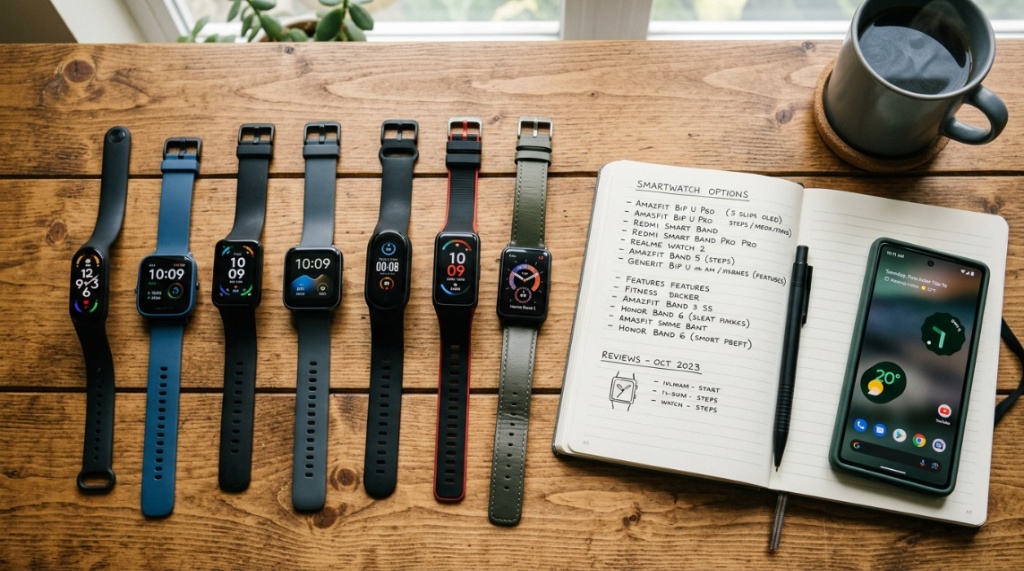
Sometimes a budget watch simply does not meet your needs. Knowing the signposts for when to upgrade saves you money in the long run by not buying multiple cheap devices.
Signs Your Budget Watch Is Inaccurate
If your watch shows wildly different total sleep times on days you felt identical, it is likely inaccurate. Another sign is consistently showing zero or very little REM sleep (less than 5% of total sleep). Frequent data gaps during the night also indicate sensor limitations. If you cannot rely on the trends, upgrade.
Specific Needs That Justify Spending More
If you are tracking sleep to monitor a condition like insomnia, sleep apnea (suspect or confirmed), or circadian rhythm disorders, a budget watch is insufficient. Mid-range watches (over $150) often offer better SpO2 tracking, more consistent HRV measurement, and clinically validated features like sleep apnea detection (with a disclaimer). Your health needs justify the cost.
Comparing Value: Budget vs. Mid-Range Accuracy
Budget watches get you about 70-80% accuracy for total sleep time and 50-60% for stage detection. Mid-range watches (Garmin, Fitbit Versa, some Amazfit models) achieve 85-90% accuracy for total time and 70-80% for stages. If absolute stage accuracy is critical, spending more is worthwhile. For general wellness, a well-chosen budget watch is perfectly adequate.
Frequently Asked Questions
Do budget smartwatches accurately track sleep for shift workers?
Some do, but most are optimized for nighttime sleep. Shift workers should look for watches that allow manual sleep schedule adjustments or have a flexible “sleep window” setting that does not assume you sleep at night. Xiaomi and Amazfit models are generally better at handling shift worker schedules than basic fitness bands.
Can I use a budget smartwatch for sleep apnea detection?
No. Budget smartwatches cannot diagnose sleep apnea. They can detect intermittent low blood oxygen levels (SpO2) which might warrant a conversation with a doctor, but they lack the medical-grade sensors and algorithms required for formal detection. Always consult a healthcare professional.
How long does the battery last on sleep tracking watches under $100?
Battery life varies widely. Watches with continuous heart rate monitoring and nightly sleep tracking generally last 5 to 14 days depending on usage. Amazfit watches are known for excellent battery life (up to 14 days). Basic Xiaomi bands often last around 7 days. Expect to charge once a week or more.
Is a larger watch face better for sleep sensor accuracy?
Generally, yes, but only slightly. A larger watch face can accommodate a larger PPG sensor array and more LEDs, which improves signal capture. However, comfort is paramount for sleep tracking. A small, comfortable watch worn correctly will be more accurate than a large, ill-fitting one that you remove during sleep.
Are sleep tracking apps on the phone separate from the watch accurate?
No. Phone-based sleep tracking using the microphone or accelerometer is significantly less accurate than a wrist-worn device. Phones are placed on a nightstand and cannot measure movement or heart rate from your body. Always use a watch for sleep tracking if you want reliable data.
What is the most important sensor for sleep tracking in a budget watch?
The tri-axial accelerometer is the most important sensor because it measures movement, which is the primary indicator of sleep and wake states. Without a good accelerometer, even excellent heart rate sensors cannot provide accurate sleep stage data. Prioritize accelerometer quality first.
How often should I calibrate my smartwatch for sleep tracking?
You typically only need to calibrate once when you first set up the device. Initial calibration involves inputting your age, weight, height, and typical sleep schedule. After that, the watch learns from your data continuously. Recalibration is only needed if your schedule changes dramatically or you switch between day and night shifts.