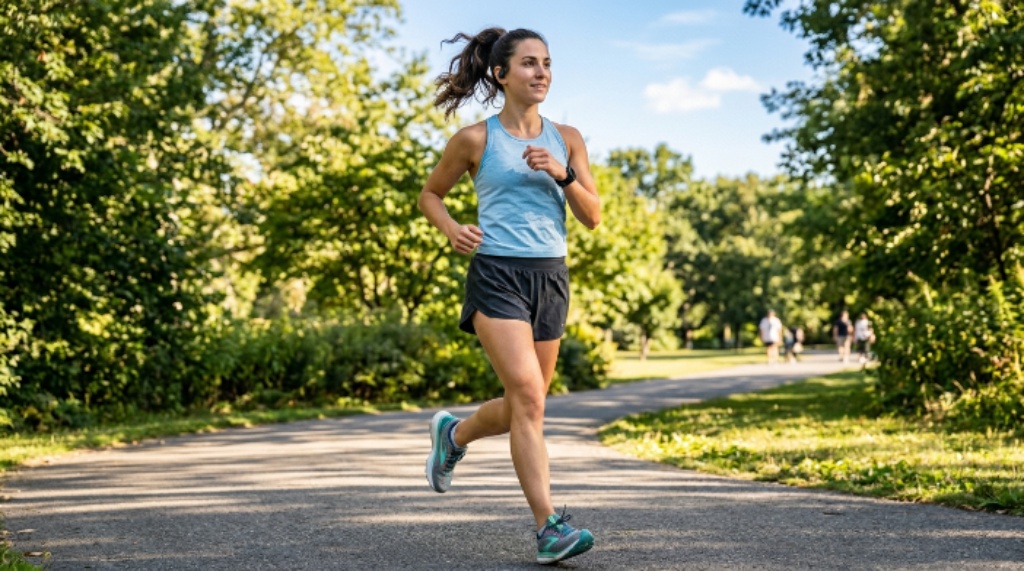
Working out is hard enough on its own. The last thing you need is a shirt that makes you feel hot, sticky, and uncomfortable. Whether you cycle, lift weights, run, or do yoga, the fabric against your skin matters more than most people realise.
The good news is that finding a breathable gym shirt does not have to be confusing or expensive. Once you know what to look for, the choice becomes much simpler. This guide will walk you through everything you need to know. Therefore, you can shop with confidence and focus on what really matters: your workout.
Why Your Gym Shirt Affects Your Performance
Most people choose gym shirts based on looks. However, the fabric does far more than just cover you up. A well-designed shirt actively helps your body manage heat during exercise.
When you exercise, your core temperature rises. Your body responds by producing sweat to cool itself down. A good gym shirt supports that process. It pulls moisture away from your skin and lets it evaporate quickly. This is called moisture-wicking, and it is one of the most important features to look for.
Additionally, a breathable shirt allows airflow around your body. This keeps your skin temperature lower and helps you feel more comfortable throughout your session. Therefore, the right shirt is not just a style choice. It is a performance tool.
The Most Important Fabric Features to Look For
Not all activewear fabrics are created equal. Understanding a few key properties will help you filter out the options that will not serve you well.
Moisture-Wicking Ability
This is the ability of a fabric to draw sweat away from your skin and move it to the outer surface of the shirt, where it can evaporate. Polyester and nylon are the most common materials that do this well. They dry fast and do not hold onto moisture the way cotton does.
Cotton feels soft, but it absorbs sweat and stays wet. During an intense workout, this makes you feel heavy and uncomfortable. However, some newer cotton blends have been treated with special finishes to improve wicking. Always check the label before you assume.
Breathability and Mesh Panels
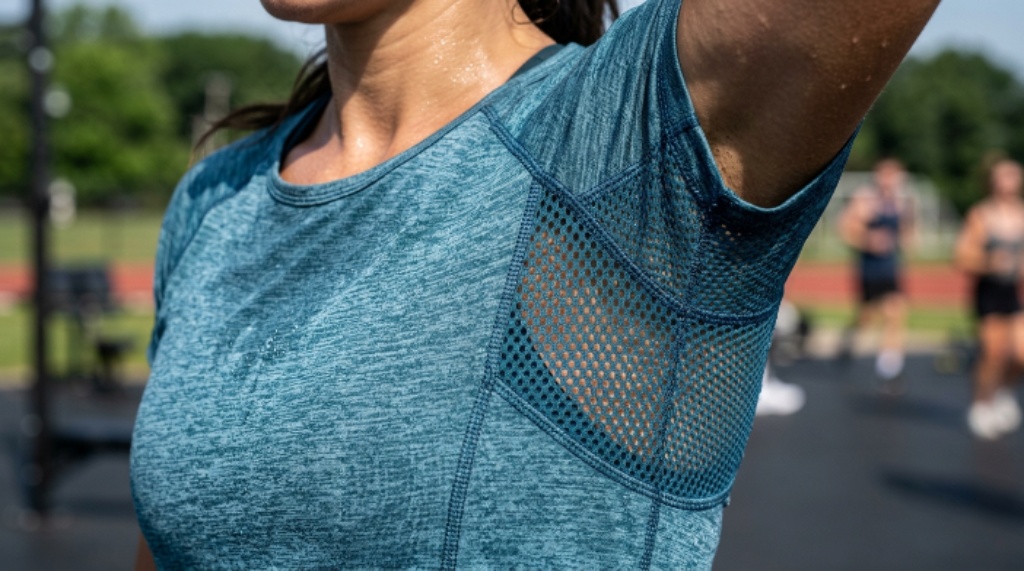
A breathable fabric allows air to pass through it easily. Some shirts use open-knit constructions that naturally allow airflow. Others incorporate mesh panels, which are sections of loosely woven or perforated fabric placed in high-heat zones like the back, underarms, or sides.
Mesh panels are particularly effective because they target the areas where your body generates the most heat. Therefore, even a shirt that is mostly solid can feel remarkably cool if the mesh is positioned well.
Cooling Fabric Technology
Some activewear brands now use cooling fabric tops made with advanced textile technology. These fabrics are engineered to feel cool on contact. Some contain minerals or treated fibres that actively absorb and disperse body heat. Others use a tight structure that maximises surface area for evaporation.
Look for terms like “cooling technology,” “thermoregulating,” or “active cooling” on the product description. These are signs that the shirt goes beyond basic moisture management.
Stretch and Fit
A shirt that fits poorly can trap heat regardless of how good the fabric is. A tight collar, bunching fabric, or a loose fit that does not move with your body all create friction and heat build-up. Look for shirts with at least 10 to 15 percent elastane or spandex content. This gives the fabric four-way stretch and helps it stay in place during movement.
Best Shirt Styles for Staying Cool
The style and cut of a shirt also plays a big role in how cool you stay. Here are the most effective options for women who prioritise breathability:
- Racerback tanks: These are a gym staple for good reason. The open back design maximises airflow and frees up shoulder movement. They work especially well for weightlifting, cycling, and yoga.
- Loose-fit tees: A relaxed fit allows air to circulate between the fabric and your skin. However, make sure the fabric still wicks moisture. A loose cotton tee will still feel damp and heavy after a hard session.
- Open-back or cutout styles: These are designed with ventilation in mind. Strategic cutouts over the spine or lower back allow heat to escape from areas where it tends to build up.
- Short-sleeve mesh tops: These offer full arm coverage while still providing ventilation through the mesh weave. They are great for outdoor workouts where sun protection matters.
- Sports bra tops: For low-impact activities like Pilates or stretching, a fitted sports bra top with a built-in bra is the most breathable option you can choose.
How to Identify Sweat-Proof Workout Clothes
The term sweat-proof workout clothes can be misleading. No fabric prevents sweating entirely, and that is a good thing. Sweating is how your body cools itself. What you actually want are clothes that handle sweat so efficiently that it never becomes a problem.
Look for fabrics treated with antimicrobial finishes. These prevent bacteria from breaking down sweat on the fabric, which is the main cause of odour. Additionally, look for quick-dry ratings. Some brands specify how quickly their fabric dries after getting wet. A shirt that dries in under 20 minutes is a practical choice for back-to-back workouts or busy schedules.
Darker colours also tend to hide sweat marks better. However, colour choice does not affect how the fabric actually manages moisture. Therefore, do not let colour be the deciding factor. Focus on the technical features instead.
Matching Your Shirt to Your Workout Type
Different workouts generate different amounts of heat and movement. Therefore, the best shirt for running is not necessarily the best shirt for yoga or cycling.
Running and HIIT
These are high-intensity activities that generate a lot of sweat quickly. You need a lightweight, close-fitting top with aggressive moisture-wicking. Look for ultralight fabrics under 150 grams per square metre. Seam placement matters too. Fewer seams mean less friction against moving skin.
Weightlifting and Gym Training
Here, freedom of movement is just as important as cooling. A racerback or tank with a slightly looser fit gives your arms and shoulders room to move. Additionally, the shirt should stay in place when you are inverted or stretching.
Yoga and Pilates
For lower-intensity sessions, breathability still matters, but you may prefer a softer fabric feel. Look for bamboo blends or modal fabrics. These are naturally breathable and incredibly soft. However, they may not wick moisture as aggressively as polyester, so they suit lighter sweaters better.
Outdoor Workouts
When exercising outside, sun protection adds another layer of importance. Look for shirts with a UPF rating of 30 or higher. Lightweight long-sleeve shirts with cooling fabric tops technology are ideal here. They protect your skin from the sun while still keeping you cool.
Tips for Shopping Smart on Any Budget
Breathable gym shirts exist at every price point. You do not need to spend a lot to get a shirt that works well. Here are some practical tips to help you shop wisely:
- Always read the fabric label before buying. If you see 100% cotton, keep looking unless it is a treated blend specifically marketed for workouts.
- Check customer reviews for mentions of breathability, odour resistance, and how the shirt feels after a real workout, not just a fitting room try-on.
- Shop end-of-season sales. Activewear brands regularly discount previous season styles. The fabrics are just as good, and you can save significantly.
- Consider buying two or three shirts at once. Rotating your workout shirts gives them time to fully dry and recover their shape between sessions, which extends their lifespan.
- Look for brands that offer a return window. A shirt should be tested in an actual workout. If it does not perform as expected, you want the option to send it back.
Caring for Your Breathable Gym Shirts
Even the best shirt loses its performance qualities if cared for incorrectly. A few simple habits will keep your shirts working well for much longer.
Wash your shirts after every single workout. Leaving sweat in the fabric allows bacteria to break down the fibres and degrade the moisture-wicking finish. Additionally, always use a gentle, sports-specific detergent. Regular detergents can leave residue that blocks the tiny pores in technical fabrics.
Avoid fabric softeners entirely. They coat the fibres and reduce the shirt’s ability to wick moisture. Air dry your shirts whenever possible. High heat from a dryer degrades elastane and weakens moisture-wicking treatments over time. Therefore, hang them up and let them dry naturally.
Conclusion
Finding a breathable gym shirt that keeps you cool is not complicated once you understand what to look for. The fabric is your starting point. Focus on moisture-wicking synthetics, breathable constructions, and any cooling technology the brand highlights.
Match the shirt style to your activity. Think about whether you need aggressive airflow, soft comfort, or sun protection. Additionally, pay attention to fit. Even the most technical fabric cannot perform well if the shirt bunches, gaps, or restricts your movement.
Shop wisely, care for your shirts properly, and invest in a few quality pieces that work for your routine. When your clothes work with you instead of against you, every workout feels a little easier. That is a simple change with a big impact.
Frequently Asked Questions
1. What fabric is best for a breathable gym shirt?
Polyester and nylon are the top choices for breathability and moisture-wicking. They dry quickly and do not trap sweat against your skin. Some brands blend these with elastane for added stretch. Bamboo and modal are good softer alternatives for low-intensity workouts.
2. Is a loose or fitted gym shirt better for staying cool?
Both can work, depending on the fabric. A loose shirt allows more airflow, which helps with cooling. However, a fitted shirt made from a high-performance moisture-wicking fabric can be just as effective because it moves sweat away from your skin faster. The key factor is always the fabric quality.
3. How do I stop my gym shirt from smelling bad after one wear?
Wash your shirt immediately after every workout. Do not leave damp workout clothing sitting in a bag or laundry basket. Additionally, choose shirts with antimicrobial treatments. These inhibit the bacteria that cause odour. Using a sports-specific detergent also helps remove sweat residue more effectively than regular washing powder.
4. Can I wear a regular T-shirt to the gym instead of activewear?
You can, but it is not ideal for intense exercise. Regular cotton T-shirts absorb sweat and stay wet, which can cause chafing and make you feel heavier and hotter as your workout progresses. For light activities like walking or stretching, a regular shirt may be fine. However, for anything more intense, a proper activewear shirt will serve you much better.
5. How many gym shirts should I own?
If you work out three to five times a week, aim for at least three to four gym shirts. This gives you time to wash and fully dry each one between uses. Rotating between multiple shirts also extends the life of each one. With the wide range of affordable and breathable options available today, building a small collection does not have to cost much.
Related Topics:
Cheltenham Spa Provides Specialist Treatments For Bones, Joints, And Muscles
Newborn Only Sleeps When Held Upright: Expert Insights and Solutions