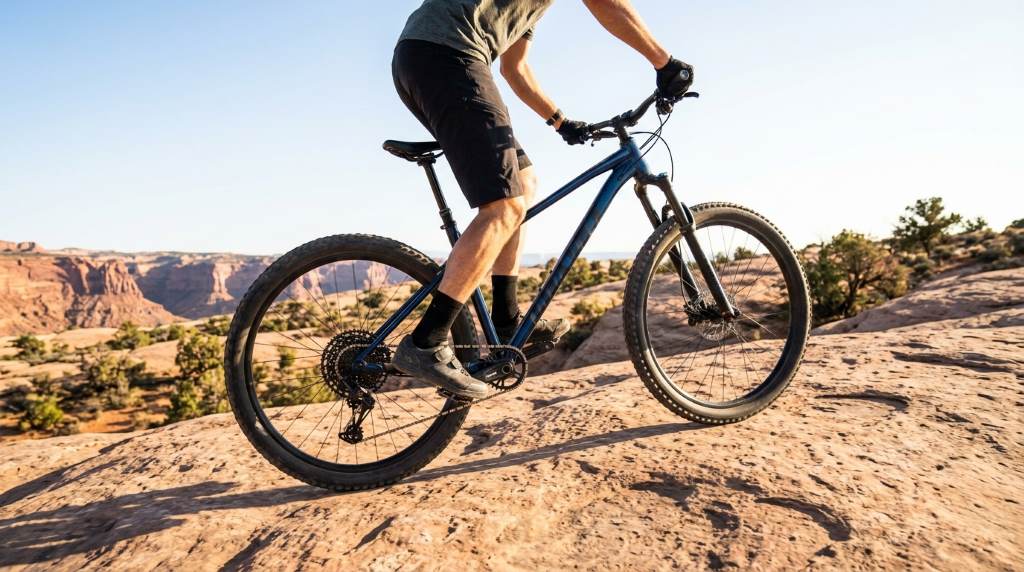
Hardtail chains drop in Moab, UT mainly because rough sandstone, repeated impacts, and drivetrain movement overwhelm chain retention. Moab’s Slickrock Trail alone covers 10.5 miles of rugged sandstone, while the area offers over 120 miles of singletrack. Even a well-maintained hardtail can drop its chain when setup, riding technique, or drivetrain condition cannot control those forces. A careful giant boulder se review also highlights why choosing the right mountain bike matters before tackling demanding terrain.
Key Takeaways
- Moab’s repeated rock impacts can make a hardtail chain bounce violently.
- A worn chain, cassette, chainring, or derailleur can worsen chain drops.
- Incorrect rear derailleur clutch tension often reduces chain retention.
- A narrow-wide chainring and properly adjusted derailleur provide better control.
- Lowering tire pressure within safe limits can reduce harsh impact transmission.
- Smoother line selection and better body positioning reduce drivetrain shock.
Why Moab’s Terrain Creates Chain-Drop Problems
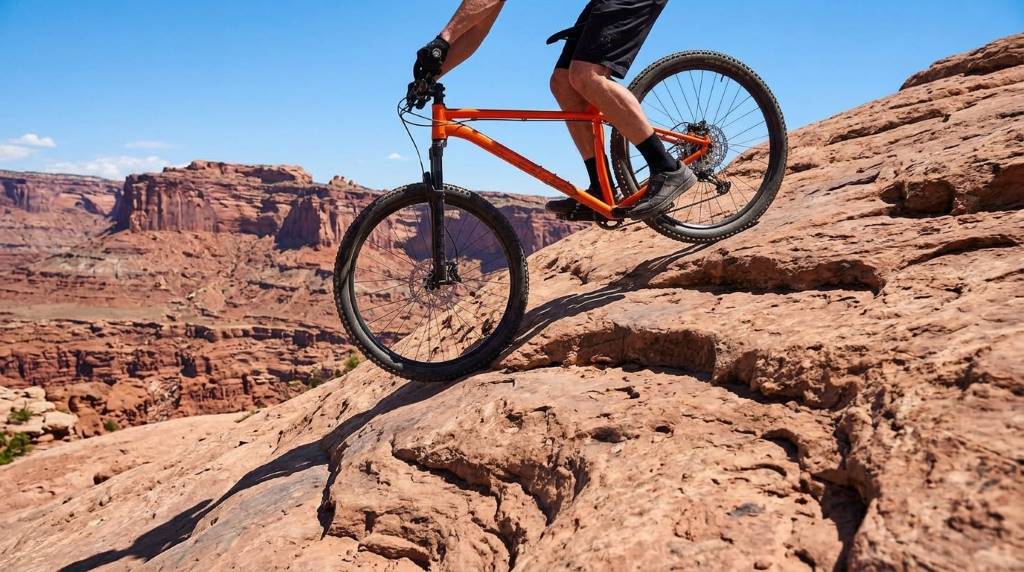
Moab does not simply challenge your suspension or tires. It also exposes every weakness in your drivetrain setup. The Bureau of Land Management describes Slickrock as technically demanding and strenuous, with a 10.5-mile route across rugged Navajo Sandstone. point of a BMX bike discussions can help explain why different bicycle designs respond differently to impacts, although BMX and mountain bikes serve very different purposes.
On a hardtail, the rear wheel connects directly to the frame without rear suspension. Consequently, large impacts travel through the rear triangle and drivetrain more directly. The chain can therefore experience rapid tension changes whenever the rear wheel strikes ledges, holes, or square-edged rocks.
Moab’s sandstone creates another challenge because riders frequently climb and descend irregular rock surfaces. Instead of one predictable impact, the drivetrain may receive several rapid impacts within seconds. That repeated loading can make the chain oscillate enough to move off the chainring.
Hardtail Versus Full-Suspension Chain Behavior
A full-suspension bike can absorb part of the terrain’s energy before it reaches the drivetrain. However, suspension does not automatically prevent chain drops because poor drivetrain maintenance can still cause failures.
Hardtails simply give riders less mechanical forgiveness. Therefore, chain retention depends more heavily on correct derailleur adjustment, chainring condition, clutch performance, and riding technique.
Chain Bounce Is a Major Culprit
Chain bounce occurs when the chain repeatedly loses tension as the rear wheel moves over rough terrain. Once the chain starts moving violently, the lower section can slap the chainstay while the upper section becomes less controlled.
That movement becomes especially noticeable when descending technical sections quickly. A hardtail’s rigid rear end can transmit sharp impacts directly into the drivetrain, increasing the chance of chain movement.
The derailleur clutch normally helps control this movement. When the clutch works correctly, it maintains greater chain tension and limits excessive derailleur-cage motion.
Why Speed Makes the Problem Worse
Higher speed increases the frequency and force of impacts. Therefore, a section that feels manageable slowly can become mechanically aggressive at race pace.
Fast riding also reduces your reaction time. As a result, you may hit several rock edges without unloading the bike or adjusting your body position.
Instead, maintain controlled speed through rough sections. Let the bike move beneath you while keeping your arms and legs active.
Drivetrain Problems That Make Chains Drop
Terrain often triggers the problem, but the drivetrain determines whether the chain actually leaves the chainring. Before blaming Moab’s rocks, inspect the components responsible for chain retention.
A worn chainring can provide less reliable engagement with the chain. Likewise, a stretched chain or worn cassette can create inconsistent shifting and poor drivetrain engagement.
When preparing for demanding riding, learn how to choose mountain bike lasts by considering frame design, drivetrain quality, component durability, and intended terrain rather than focusing only on price.
Worn Chainring Teeth
Modern mountain bikes commonly use narrow-wide chainrings to improve chain retention. Their alternating tooth profiles grip the chain more securely than conventional chainrings.
However, those teeth still wear over time. Sharp, hooked, or visibly uneven teeth indicate that replacement may become necessary.
Before riding Moab, inspect the chainring under good lighting. Replace questionable components rather than discovering their weakness halfway through a remote trail.
Rear Derailleur Clutch Problems
The rear derailleur clutch controls cage movement and helps maintain chain tension. If its mechanism becomes weak, contaminated, or incorrectly adjusted, chain retention can deteriorate.
However, excessive clutch tension can create other shifting problems. Therefore, adjust it according to the derailleur manufacturer’s specifications instead of simply tightening everything.
Also check whether the clutch actually engages. A damaged clutch can make the derailleur cage move far more freely than expected.
Incorrect Gear Selection Can Trigger Drops
Gear choice affects chain tension, derailleur position, and drivetrain movement. Riders sometimes shift aggressively across rough terrain and unintentionally create conditions that encourage chain movement.
For technical climbs, choose an appropriate climbing gear before reaching the obstacle. Then maintain steady pedal pressure instead of repeatedly shifting while bouncing over rocks.
Likewise, avoid unnecessary gear changes during high-impact descents. A stable drivetrain usually behaves better when you establish the gear before the roughest section.
Avoid Extreme Cross-Chaining
Extreme chain angles can increase drivetrain friction and lateral chain movement. Although modern drivetrains tolerate substantial range, extreme combinations can still reduce smoothness.
Instead, anticipate terrain changes and select a gear that keeps the chain reasonably aligned. This approach also reduces sudden derailleur movement when the trail becomes technical.
Tire Pressure Can Influence Chain Drops
Tire pressure does not directly control the chain, but it changes how harshly impacts reach the bicycle. Overinflated tires transmit more impact through the wheel and frame.
Consequently, excessive pressure can make rough sandstone feel sharper. That extra impact can increase chain bounce, particularly on rigid rear ends.
However, never reduce pressure blindly. Use a pressure range appropriate for your tire casing, wheel size, rider weight, terrain, and tubeless setup.
Why Tubeless Setup Helps
A properly configured tubeless tire can provide additional impact compliance at appropriate pressures. It can also reduce the risk of pinch flats associated with traditional inner tubes.
Nevertheless, low pressure creates its own risks. Rim strikes, tire burping, and sidewall damage can become more likely when pressure drops too far.
Therefore, tune tire pressure gradually before a major Moab ride. Test your setup on moderate terrain before committing to technical routes.
Riding Technique Matters More Than Most Riders Expect
Mechanical preparation cannot compensate for consistently harsh riding inputs. Your body position directly influences how much force reaches the rear wheel.
On rough descents, keep your heels slightly dropped and maintain a stable standing position. Allow your legs to absorb smaller impacts while keeping your hands relaxed.
Additionally, look farther down the trail. Early line selection helps you avoid unnecessary square-edge hits that can shock the drivetrain.
Choose Lines That Protect the Drivetrain
Moab offers multiple lines through many technical sections. The fastest-looking line is not always the smoothest or mechanically safest.
Instead, look for transitions between rock surfaces rather than repeatedly hitting abrupt edges. Rolling over features usually produces less drivetrain shock than striking them squarely.
When possible, unweight the rear wheel over larger obstacles. A controlled manual or light rear-wheel lift can reduce the impact transmitted through the chain.
How to Diagnose a Chain Drop Before Your Moab Ride
If your chain has already dropped, do not immediately assume the trail caused the failure. Reproduce the problem on a safe, controlled section before your next major ride.
Shift through the cassette while applying moderate pedal pressure. Then test the drivetrain over small bumps and observe whether the derailleur cage moves excessively.
Inspect the chainring, chain, cassette, derailleur, chain guide, and derailleur hanger. Also check whether the chain has the correct length for your drivetrain configuration.
Use This Quick Inspection Checklist
- Chainring: Check for worn, bent, or damaged teeth.
- Chain: Measure wear and replace it when necessary.
- Cassette: Inspect heavily worn sprockets and shifting performance.
- Derailleur clutch: Confirm proper engagement and tension.
- Derailleur hanger: Check alignment after crashes or hard impacts.
- Chain length: Confirm correct sizing for the drivetrain.
- Chain guide: Inspect mounting, alignment, and clearance if installed.
A bent derailleur hanger deserves special attention after a crash. Even a small alignment problem can create poor shifting and inconsistent chain movement.
How to Stop a Hardtail Chain From Dropping in Moab
The best solution combines mechanical preparation with controlled riding. Fix the drivetrain first, then adjust your riding approach to the terrain.
Start with a properly sized chain and a quality narrow-wide chainring. Next, verify derailleur clutch operation and confirm that the derailleur hanger remains straight.
Then choose appropriate tire pressure and test it before entering technical terrain. Finally, reduce unnecessary impacts by selecting smoother lines and controlling speed.
Five Practical Fixes
- Install a fresh narrow-wide chainring when existing teeth show significant wear.
- Replace a worn chain before it damages other drivetrain components.
- Service or replace a malfunctioning derailleur clutch.
- Use a compatible chain guide when your riding regularly produces chain drops.
- Improve body positioning and line choice on repeated rock impacts.
A chain guide can provide another layer of security for aggressive riding. However, proper setup remains essential because a guide cannot correct a damaged drivetrain.
When Moab Conditions Increase the Risk
Weather and trail conditions can change how aggressively a bike interacts with the terrain. Extreme heat can also affect rider fatigue, which indirectly affects bike control.
As fatigue increases, riders often choose poorer lines and absorb impacts less effectively. Therefore, hydration, pacing, and rest can contribute to mechanical reliability.
Moab’s riding environment also includes exposed technical terrain. The BLM describes several local routes as highly technical, so riders should match their route choice to their experience.
Do Not Confuse Chain Drops With Trail Difficulty
A chain drop does not necessarily mean your bike cannot handle Moab. Instead, it often indicates a mismatch between terrain demands and drivetrain preparation.
Conversely, repeated drops deserve investigation. A properly functioning mountain bike should retain its chain through normal technical riding when configured correctly.
What to Do If Your Chain Drops on the Trail
Stop pedaling immediately when you notice the chain leaving the chainring. Continuing to pedal can force the chain between the chainring and frame.
Shift carefully into an easier gear if necessary, then reposition the chain by hand. Inspect the drivetrain for bent teeth, trapped debris, or other visible damage.
Afterward, test the drivetrain gently. If the chain drops again, avoid aggressive riding until you identify the underlying cause.
Is a Hardtail Still a Good Choice for Moab?
Yes, a hardtail can be an excellent choice for Moab when the bike matches the rider and terrain. Its simpler design offers efficiency, lower maintenance, and direct trail feedback.
However, riders should understand its limitations. Rough technical routes demand stronger riding skills and more careful component setup than smoother cross-country terrain.
Moab contains everything from intermediate trails to extremely technical routes. The BLM lists options ranging from beginner to advanced, so route selection matters as much as bike selection.
When a Full-Suspension Bike Makes More Sense
A full-suspension bike can make sense when you regularly ride highly technical descents. Rear suspension can reduce repeated impacts and improve traction across rough surfaces.
Still, suspension does not replace drivetrain maintenance. A neglected full-suspension bike can also drop chains when its components wear or its derailleur fails.
Final Verdict: Why Hardtail Chains Drop in Moab
Hardtail chains drop in Moab primarily because aggressive terrain creates rapid chain movement, while drivetrain weaknesses reduce chain retention. Rough sandstone, repeated impacts, poor line choice, worn components, weak clutch tension, and incorrect setup can combine into one frustrating failure.
The good news is that most causes remain preventable. Inspect your drivetrain, verify chain length, maintain the derailleur clutch, use appropriate tire pressure, and practice smoother technical riding.
Before your next Moab trip, test the entire setup on comparable terrain rather than waiting for the trail to expose a weakness. If your bike repeatedly drops the chain, have a qualified bike mechanic diagnose it before tackling another demanding route.
Ready to ride Moab with fewer drivetrain surprises? Prepare your hardtail before the trip, inspect every chain-retention component, and practice your rough-terrain technique before committing to the hardest lines.
FAQs About Hardtail Chain Drops in Moab
Why does my hardtail chain keep dropping on rocky trails?
Repeated impacts can create chain bounce, especially when the drivetrain has worn components or weak chain retention.
Does a narrow-wide chainring prevent chain drops?
A narrow-wide chainring significantly improves retention, but it cannot compensate for every drivetrain or riding problem.
Can tire pressure cause a chain to drop?
Incorrect tire pressure can increase impact severity and indirectly contribute to chain movement on rough terrain.
Should I use a chain guide on a hardtail?
A chain guide can add useful retention for aggressive riding, particularly when technical terrain repeatedly causes chain movement.
Is a hardtail suitable for Moab?
Yes, a properly equipped hardtail works well in Moab when the rider chooses suitable trails and controls technical terrain effectively.