

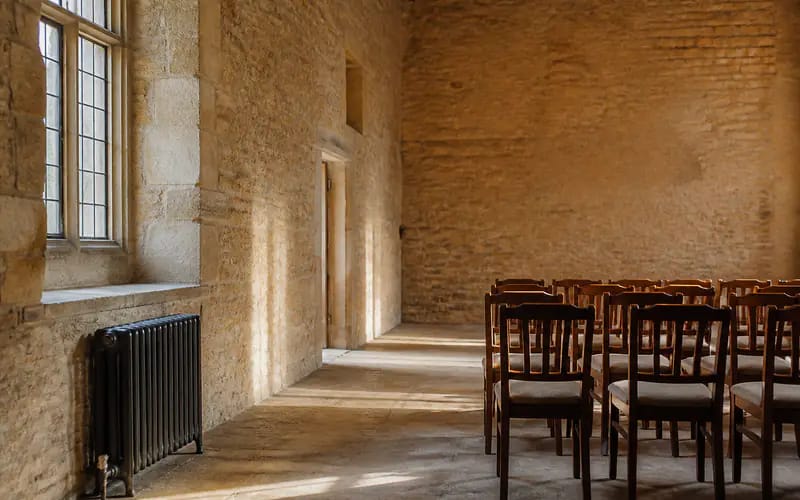
Tewkesbury Park’s combined heat and power is very interesting for small wedding venues in old buildings. It is being described as an alternative to solar for heating at the Cotswolds hotel.
Insider Media’s article on Tewkesbury Park’s combined heat and power makes very interesting reading for a small wedding venue in a historic building. The feature makes a very good case for the system being suited to a year round, mixed use hotel such as Tewkesbury Park but a small seasonal venue should assess its heat demand prior to purchasing any plant.
Why heat demand decides everything
According to the article the waste heat is used for space and water heating. In order for CHP to make sense, the heat has to be used. Heat that hasn’t been wanted has been wasted and the plant spent a lot of money to achieve nothing. So the main question for any building is for how many months of the year is there going to be heat needed?
What Tewkesbury Park has that suits CHP
A family business, with Chris McIntosh as Managing Director of Tewkesbury Park Limited, has invested in a top-notch piece of kit. The hotel itself has bedrooms, an events space, a spa and fitness centre. All of these things will doubtless be generating a constant flow of hot water for washing, space heating and so on. That is to say, a far more constant flow of hot water than a venue generating only from space heating would. Yes, a great choice.
How a seasonal venue differs
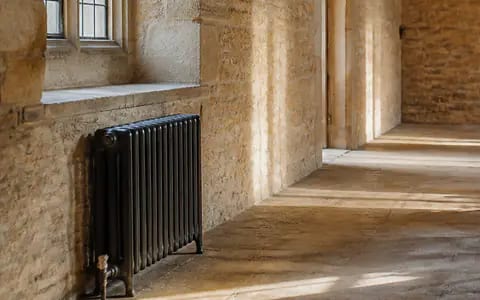
A seasonal event venue, for example a small Cheltenham hotel wedding venue, will have space heating demand at its lowest during the seasons when it is busiest. In addition, the plant room of an older building is often small and restricted and getting new plant into the building can be as difficult as it is expensive.
Assessment first, equipment second
Most energy assessments are completed to establish suitable plant for potential heat requirements at different times of the day and seasons. As part of the GOV.UK hospitality energy trial announcement (now completed) over 600 small to medium sized hospitality businesses were able to complete free energy assessments valued at £350,000, running from May 2025 through to March 2026.
This is also why (where solar is ruled out on a listed building for example), looking at other measures to improve efficiency (such as upgrades to boilers, controls and insulation) is also worth consideration.
Where the feature’s advice holds
While the Tewkesbury Park example is a good one for a hotel with rooms, a spa and holding events all year round, the application for a seasonal venue is less suitable. Assess whether or not your current metered data for a quiet January weekday would warrant a plant of any description.


