


By following a few simple washing, drying and ironing tips printed t-shirts and hoodies can last for years. By following these simple tips your printed t-shirts and hoodies can look great for months and even years to come.
Wait Before the First Wash
Remember that freshly printed garments should be left for 24 hours before washing. The adhesive transfer needs time to bond with the fibres in the garment and washing too soon can cause the print to lift off the garment at the edges. It is best to leave freshly printed garments for 24 hours before wearing.
Always Wash Inside Out
This is the single best way to care for printed garments and it costs nothing. If you turn garments made of cotton, wool etc inside out before washing them then the print will not get worn by contact with other garments containing zips etc or the inside of washing machines. It is a good practice to continue to wash garments printed with conventional transfers inside out for the first few washes. After that the garment can be washed normally but it is still best to turn items of cotton, wool etc inside out before washing them.
Stick to a Cool Wash
A simple rule applies to the washing of printed garments. Wash printed garments at a low temperature (30°C or below). Higher temperatures can soften the print adhesive enabling water and detergent to penetrate underneath the print and then dissolve the adhesive. The garment can then be damaged when worn.
Leave Out the Fabric Conditioner
Fabric conditioner is not needed and should be avoided as it can form a residue on the garment which can stop the print gripping the fibres. The detergent in your washing powder is sufficient to clean your printed garments and repeat washing will build up a film between the fibres and the print. This film will eventually cause the print to peel at the edges.
Be Careful With the Tumble Dryer
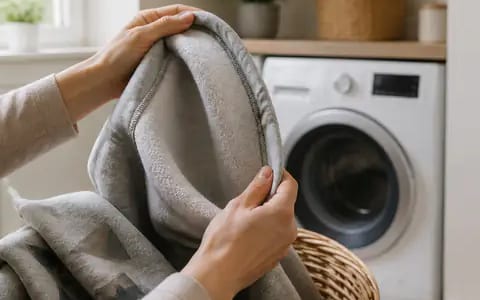
As mentioned previously high heat is one of the biggest causes of print cracking and peeling. Washed garments can be dried on a low heat setting and removed from the dryer when still slightly damp. It is best to avoid using the dryer all together and allow garments to be dried naturally.
Never Iron Directly on the Design
Ironing with too much heat is going to be the worst enemy of printed garments. Most garment irons have far too much heat to be used on printed garments, even when used on an inside facing surface. Turning garments inside out is best but if this is not possible then laying a thin cotton cloth over the print area and ironing around the design is the best alternative. The cloth acts as a barrier and disperses the heat. It will not scorch the print.
Store Garments Folded, Not Hung
When storing garments with printed clothing it is best to fold the item, allowing the garments to be evenly distributed to prevent creasing, particularly in areas where there is a lot of strain such as over the shoulders. By storing garments with printed clothing folded rather than hung it will help to stop the fabric from creasing along a set line and eventually cracking.
Think About the Original Printing Method Too
It is also worth noting that much of the wear and tear to the print will depend on how the item was printed in the first place. Heat Press Printing, for example, adheres the print transfer to the fabric using heat and pressure and print setups for commercial print work will typically use similar settings of heat and pressure over different time periods to ensure the best results. This is also covered in the guidance on valuation of newspaper print works.
Clothing with printed designs are generally fine to wash, dry and iron in the same way you would normally treat the clothing. It’s just important to remember that printed designs are subject to heat and friction, so it’s best to wash printed clothing in cool washes and avoid using fabric conditioner. Also try to avoid using the iron on hottest setting and avoid using the dryer on the highest heat setting. Also remove clothing from dryer while still slightly damp to prevent shrinkage.


