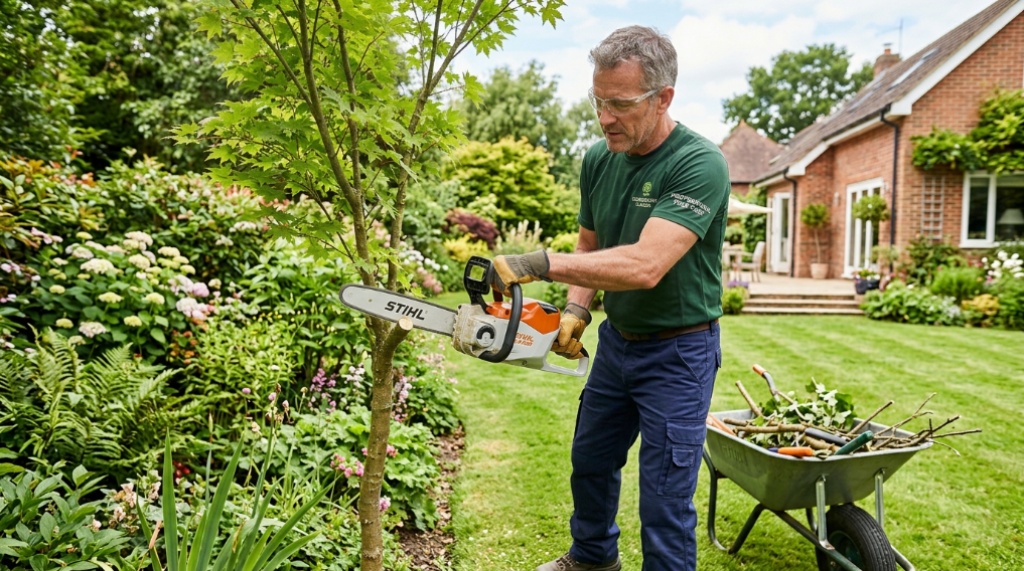
A chainsaw that takes twenty minutes to start defeats the purpose when you only need to clear a few branches. That frustration is exactly why many homeowners dealing with light yard work are now comparing cordless and gas options instead of defaulting to the loudest machine on the shelf. Understanding how these two power sources behave in small-scale trimming, pruning, and storm cleanup makes the decision much easier. For a closer look at how compact electric designs handle this kind of yard work, this article on mini electric chainsaws is a useful reference. The right choice comes down to how often you cut, how thick the wood is, and how much maintenance you’re willing to tolerate.
Quick Answer
For most small yard maintenance tasks, a cordless chainsaw is the better fit. It starts instantly, runs quietly, produces no exhaust fumes, and needs almost no maintenance beyond keeping the battery charged and the chain sharp. A gas chainsaw only makes sense if you regularly cut thick logs, work far from power sources for long stretches, or need maximum cutting power in a single session. For occasional pruning and light cleanup, the convenience advantage of cordless usually outweighs the raw power of gas.
Key Takeaways
- Cordless chainsaws win on convenience, low noise, zero emissions, and minimal maintenance, which matches most small-yard jobs.
- Gas chainsaws deliver more sustained power and runtime, making them better for thick wood or extended cutting sessions.
- Battery voltage and amp-hour rating, not marketing claims, determine real-world cordless cutting power and runtime.
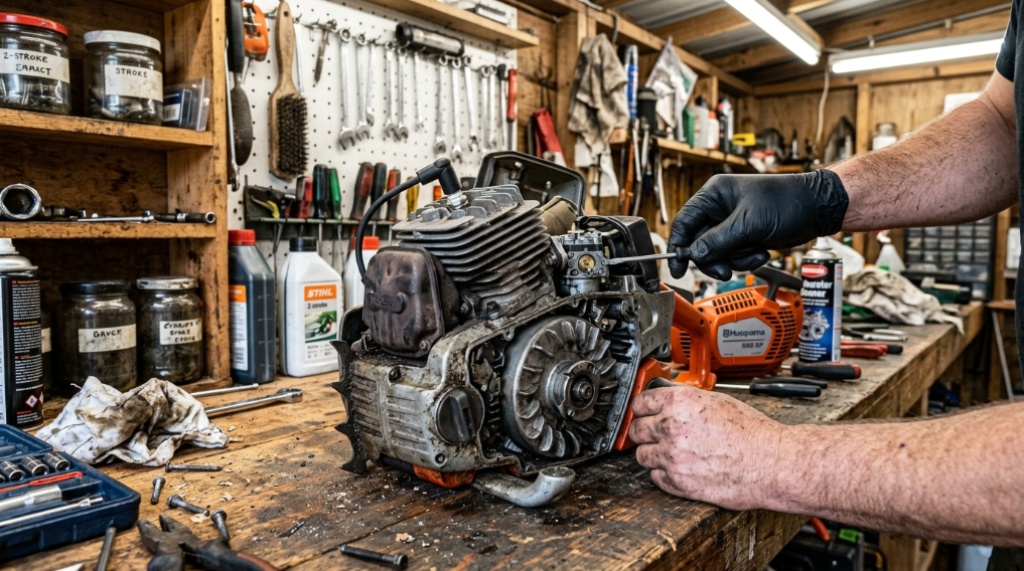
- Gas tools require fuel mixing, carburetor care, air filter cleaning, and seasonal storage prep; cordless tools do not.
- Matching the saw to bar length and wood diameter prevents both frustration and unsafe cutting.
How These Two Power Sources Actually Differ
The core difference is not just fuel versus battery. It is how power is delivered and what that means for daily use. A gas engine produces continuous torque that builds as it revs, and it can run as long as you keep refilling the tank. A cordless saw delivers power through an electric motor and draws from a battery pack, so performance is tied to the battery’s voltage and capacity.
That distinction shapes everything: startup, noise, weight distribution, vibration, and long-term upkeep. Gas saws tend to vibrate more and weigh more because of the engine and fuel tank. Cordless saws tend to be lighter and smoother but are limited by how much charge the battery holds.
Startup and Daily Convenience
A cordless chainsaw typically starts with a trigger press. There is no choke, no priming, no pulling a cord repeatedly. A gas chainsaw often needs priming, choke adjustment, and several pulls, especially after sitting unused. For a homeowner who cuts for ten minutes and then puts the saw away, that startup gap alone can decide which tool is worth owning.
Noise, Fumes, and Where You Can Use Them
Gas chainsaws are loud enough that hearing protection is essentially mandatory, and they produce exhaust that makes them unsuitable for enclosed or poorly ventilated spaces. Cordless saws run much quieter and produce no fumes, so they work well near a garage, in a small shed, or close to neighbors. If quiet operation matters, cordless has a clear edge, Once you finish cleaning up your yard waste and pruning overgrown branches, learn How to Start Gardening to transform your outdoor space into a vibrant landscape.
Cordless vs. Gas: A Practical Comparison
The comparison below focuses on the factors that actually influence a small-yard decision rather than a laboratory-style spec sheet.
| Factor | Cordless Chainsaw | Gas Chainsaw |
|---|---|---|
| Startup | Instant, trigger-based | Manual pull, often with priming and choking |
| Noise level | Moderate | High |
| Exhaust fumes | None | Present, needs ventilation |
| Routine maintenance | Minimal; chain and battery care | Fuel mixing, filters, spark plug, carburetor |
| Runtime | Limited by battery charge | Extended with refueling |
| Power for thick wood | Good for small to medium limbs | Stronger for larger logs |
| Long-term storage | Simple; charge battery periodically | Requires fuel draining and stabilization |
| Best use case | Light pruning and quick cleanup | Heavy or repeated cutting |
This table is a general guide. Specific performance depends on the individual saw’s motor, bar length, chain type, and battery specifications.
When a Cordless Chainsaw Is the Smarter Choice
Cordless saws fit small yard maintenance best when cutting is occasional and the wood is modest in diameter. If you are trimming low branches, cutting storm-downed limbs, or cleaning up brush a few times a year, cordless keeps the process simple.
The main limitation is runtime. A single battery usually covers a short session, but heavier use may require a spare battery or a mid-task recharge. If your cutting tends to run longer than one battery can handle, plan for a second pack.
Matching Bar Length to the Job
Bar length matters more than many buyers expect. A short bar handles small limbs comfortably and keeps the tool light. A longer bar adds reach and cutting capacity but also weight and power demand. For light yard work, a compact saw with a shorter bar is often easier to control and less tiring to use.
Battery Specs That Actually Matter
Voltage indicates the saw’s power potential, while amp-hour (Ah) rating indicates how long that power lasts. A higher-voltage saw with a modest Ah battery can cut well but may not run long. A lower-voltage saw with a large Ah battery may run longer but struggle with thicker wood. Matching these two specs to your typical cutting is more useful than chasing the single highest number.
When a Gas Chainsaw Still Makes Sense
Gas saws remain the choice when the work is heavy, sustained, or remote. If you cut large logs, clear a lot of fallen timber, or work where recharging is impractical, the continuous power and refueling convenience of gas can be worth the added noise and upkeep. For truly small yard maintenance, though, that extra capability often goes unused while the maintenance burden remains.
Common Mistakes to Avoid
- Buying more saw than the job requires; a heavy gas saw for light pruning is often exhausting to use.
- Ignoring chain sharpness; a dull chain strains the motor and increases kickback risk on either type.
- Storing a gas saw with old fuel in the tank, which can clog the carburetor over time.
- Leaving a cordless battery fully discharged for long periods, which can shorten its lifespan.
- Cutting wood thicker than the saw is designed for, which stalls the motor or bar.
Safety Basics That Apply to Both
Regardless of power source, the fundamentals do not change. Wear eye protection, hearing protection where noise is high, and gloves. Keep a firm two-handed grip, avoid cutting above shoulder height, and never let the tip of the bar contact wood you are not cutting, since that is a common cause of kickback. Cordless saws reduce noise and fumes, but the cutting chain is just as sharp and just as dangerous.
Frequently Asked Questions
Is a cordless chainsaw powerful enough for small yard work?
Yes, for typical light tasks like pruning branches, trimming shrubs, and cutting small limbs. It becomes less suitable as wood diameter and cutting duration increase.
How long does a cordless chainsaw battery last?
Runtime depends on the battery’s amp-hour rating and the load you place on the saw. Light cutting sessions can last considerably longer than continuous cutting through thicker wood.
Do gas chainsaws require more maintenance than cordless ones?
Generally yes. Gas saws need fuel mixing, air filter cleaning, spark plug checks, and careful storage preparation. Cordless saws mainly need chain care and proper battery handling.
Can I use a cordless chainsaw for storm cleanup?
For small fallen branches and scattered debris, yes. For large trunks or extensive damage, a gas saw or a professional service is usually more appropriate.
Which type is quieter for use near neighbors?
Cordless chainsaws are noticeably quieter than gas models, which makes them a better fit in residential areas or when working close to other people.
Should I keep both types of chainsaw?
Some homeowners do keep a compact cordless saw for quick jobs and a gas saw for heavier work. For purely small yard maintenance, one cordless saw is usually sufficient.
Conclusion
For small yard maintenance, a cordless chainsaw usually delivers the better overall experience: instant starts, quiet operation, no fumes, and minimal upkeep. Choose gas only if you genuinely need sustained power for thick or extensive cutting. Start by honestly estimating the wood diameter and cutting time your yard demands, then match the saw’s bar length and battery specs to that reality. That single step prevents both overspending and underpowered frustration.