
Dogs often hide ear discomfort until the problem becomes serious, which makes regular ear care essential for every pet owner. According to the American Kennel Club, ear infections rank among the most common health issues in dogs, especially in breeds with floppy ears or active outdoor lifestyles. Additionally, veterinarians report that moisture, trapped dirt, and excess wax create ideal conditions for bacterial growth. Because of this, many vets now recommend dog ear cleaner wipes as a safer and faster solution for routine hygiene. These wipes help reduce odor, remove debris, and support healthy ears without causing unnecessary stress during cleaning sessions.
Why Dog Ear Cleaner Wipes Matter for Daily Pet Care
Dog ear cleaner wipes offer a convenient way to maintain ear hygiene between grooming appointments and veterinary visits. Unlike liquid cleaners, wipes provide better control and reduce the risk of overfilling the ear canal with solution. Many pet owners also prefer wipes because they create less mess during quick cleanups after walks or playtime. Furthermore, regular use may help reduce the buildup of wax, pollen, and dirt that commonly irritate sensitive ears.
Seasonal weather also affects ear health more than many owners realize. In humid states like Florida or Louisiana, moisture stays trapped inside floppy ears after swimming or outdoor activities. Meanwhile, dry and dusty climates in Arizona or Nevada often lead to debris buildup and itchy skin around the ears. For pets that spend time outdoors in hot weather, products mentioned in this helpful guide about keeping dogs cool naturally after walks can also support overall comfort:
Signs Your Dog Needs Ear Cleaning
Many dogs show subtle symptoms before an ear infection develops fully. Owners who recognize these early warning signs often prevent expensive treatments and painful complications later. Head shaking, scratching near the ears, and unusual odor usually indicate trapped debris or irritation. In some cases, redness or dark discharge may also appear around the ear flap.
Behavior changes can also reveal ear discomfort before visible symptoms appear. Some dogs become less active, avoid head touching, or tilt their heads while walking around the house. Puppies and senior dogs especially need careful observation because they may not react strongly to mild irritation. Therefore, consistent weekly checks help identify problems before bacteria or yeast begin spreading deeper inside the ear canal.
Common Symptoms That Require Attention
- Persistent scratching around the ears
- Strong odor coming from the ear canal
- Brown, yellow, or black discharge
- Swelling or redness near the ear flap
- Frequent head shaking or rubbing
These symptoms should never be ignored because untreated infections often worsen quickly. Although wipes help with routine maintenance, severe infections still require professional veterinary care. Owners should contact a vet immediately if the dog experiences pain, bleeding, or balance problems.
Ingredients Vets Commonly Recommend in Ear Wipes
Veterinarians often recommend wipes that contain gentle but effective cleansing ingredients. Aloe vera remains a popular option because it soothes irritated skin while reducing dryness around sensitive areas. Witch hazel also appears in many vet-approved formulas due to its natural cleansing and odor-control properties. Additionally, ingredients like chlorhexidine help reduce bacteria and yeast without harsh alcohol content.
Pet owners should always avoid wipes containing strong perfumes, hydrogen peroxide, or excessive alcohol. These substances may irritate delicate skin and worsen inflammation in already sensitive ears. Instead, experts usually suggest fragrance-free wipes with balanced pH levels designed specifically for dogs. Choosing high-quality ingredients becomes especially important for breeds prone to allergies or recurring ear infections.
Helpful Ingredients Found in Quality Ear Wipes
- Aloe vera for soothing irritation
- Chlorhexidine for bacteria control
- Coconut-derived cleansers for gentle cleaning
- Witch hazel for odor reduction
- Vitamin E for skin support
Many premium wipes also include anti-fungal ingredients for dogs that swim regularly or live in humid regions. However, owners should still consult their veterinarian before using medicated products frequently. A professional can identify whether symptoms relate to allergies, parasites, or environmental irritation instead of simple dirt buildup.
How to Use Dog Ear Cleaner Wipes Correctly
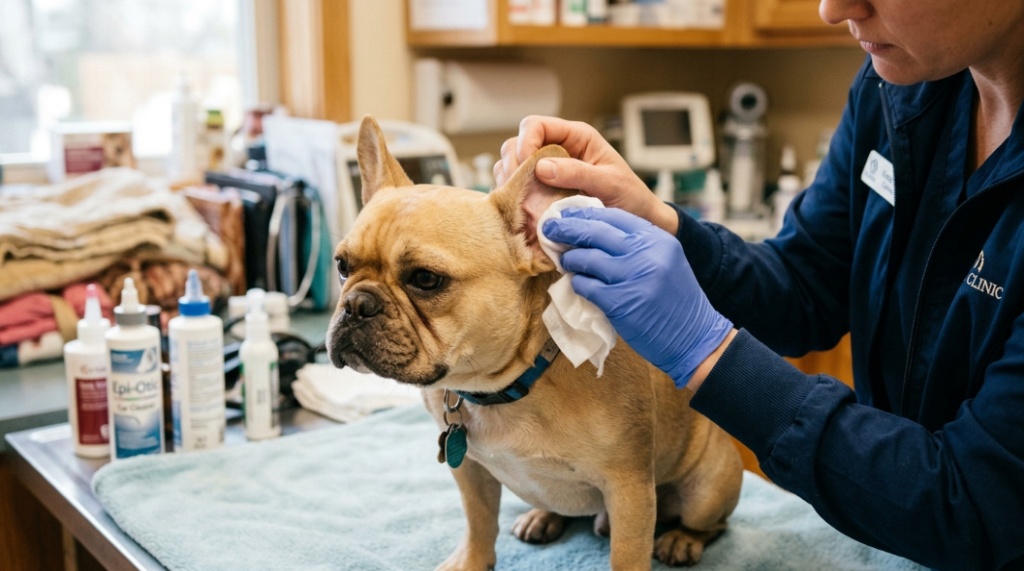
Using dog ear cleaner wipes correctly matters just as much as choosing the right product. Owners should first allow the dog to relax in a calm environment before beginning the cleaning process. Slowly lifting the ear flap helps expose visible dirt without causing unnecessary stress or fear. Afterward, gently wipe only the outer ear and accessible folds without pushing deep into the canal.
Many owners accidentally clean too aggressively during routine grooming sessions. Excessive rubbing may create small skin abrasions that allow bacteria to grow more easily afterward. Therefore, vets usually recommend slow circular motions while using a fresh section of the wipe for each pass. Dogs with heavy ear hair may also benefit from occasional trimming performed by a groomer or veterinarian.
Simple Cleaning Routine for Better Results
- Wash your hands before touching the ears
- Let the dog sit calmly in a quiet area
- Lift the ear flap gently
- Wipe visible dirt carefully
- Reward the dog after cleaning
Positive reinforcement makes ear cleaning easier over time, especially for nervous rescue dogs or puppies. Small treats and calm praise often reduce resistance during future grooming sessions. Consistency also helps dogs become familiar with the process, which lowers stress for both the owner and the pet.
Unique Grooming Habits That Affect Ear Health
One overlooked issue involves how dogs travel and rest after outdoor activities. Dogs that stick their heads out of car windows collect dust, pollen, and road debris inside their ears during rides. Over time, this buildup increases irritation and may contribute to recurring infections in active pets. Owners who frequently travel with dogs may also benefit from learning practical cleaning methods for vehicle interiors after outdoor adventures
Sleeping environments also influence ear cleanliness more than most owners expect. Dogs that rest on damp bedding or unwashed blankets may experience increased bacterial exposure around sensitive skin areas. Moisture trapped inside thick fur creates an ideal environment for yeast growth, especially in warm climates. Because of this, maintaining clean sleeping spaces becomes part of responsible ear care and overall hygiene.
Best Dog Breeds for Regular Ear Wipe Maintenance
Certain breeds naturally require more frequent ear cleaning because of their ear structure and activity level. Cocker Spaniels, Basset Hounds, and Labrador Retrievers commonly develop moisture buildup due to floppy ears that restrict airflow. Likewise, water-loving breeds such as Golden Retrievers often trap moisture after swimming sessions. Regular wipes help reduce irritation before infections begin forming.
Dogs with upright ears also need maintenance despite better airflow around the ear canal. German Shepherds and Huskies frequently collect dust and debris during outdoor exercise or hiking trips. Meanwhile, small breeds with long facial hair may experience wax buildup caused by trapped dirt near the ears. Therefore, every breed benefits from regular inspections even if infections seem uncommon.
Breeds Often Prone to Ear Problems
- Cocker Spaniels
- Golden Retrievers
- Labrador Retrievers
- Basset Hounds
- Poodles
- Bulldogs
Owners should remember that lifestyle matters as much as breed genetics. Active dogs that hike, swim, or play in grassy environments need more frequent cleaning than indoor pets with limited outdoor exposure. A personalized routine based on climate and activity usually works better than following a rigid schedule.
Mistakes Pet Owners Make With Ear Cleaning
Many pet owners unintentionally cause ear problems by using cotton swabs deep inside the ear canal. Swabs often push wax further inward instead of removing it safely from the surface. Additionally, some owners clean ears too frequently, which may strip away natural protective oils that keep skin healthy. Overcleaning sometimes creates dryness and irritation that invite bacterial growth later.
Another common mistake involves using human skincare wipes or baby wipes on dogs. These products often contain chemicals or fragrances unsuitable for canine skin balance. Even natural oils designed for humans may disrupt the ear’s protective barrier over time. Therefore, veterinarians strongly encourage using wipes made specifically for dogs and approved for veterinary use.
Habits to Avoid During Ear Cleaning
- Using cotton swabs deep inside the ear
- Applying alcohol-heavy products frequently
- Ignoring strong odors or discharge
- Cleaning aggressively during irritation
- Sharing wipes between multiple pets
Proper storage also matters because dried-out wipes lose effectiveness and may scratch sensitive skin. Owners should close packaging tightly after each use and store products in cool, dry areas. Fresh wipes remain softer and more effective for routine maintenance throughout the year.
How Climate Impacts Dog Ear Health
Weather conditions directly influence how often dogs need ear cleaning. In rainy coastal areas, moisture accumulation happens quickly after outdoor walks or swimming sessions. Humid air prevents ears from drying properly, especially in breeds with dense fur around the canal. Consequently, yeast infections appear more frequently during summer months in tropical or humid states.
Cold climates create different challenges because indoor heating dries out skin around the ears during winter. Dry air may lead to flaky skin, itching, and increased scratching near the ear flap. Owners in snowy regions should inspect ears after outdoor activities since melted snow and road salt can irritate exposed skin. Adapting ear care routines according to local weather helps maintain healthier ears throughout the year.
When You Should Visit a Veterinarian
Dog ear cleaner wipes support preventive care, but they cannot replace professional treatment during serious infections. Persistent odor, swelling, or thick discharge usually signals deeper issues requiring veterinary attention. In some cases, allergies or food sensitivities trigger recurring ear inflammation that wipes alone cannot resolve. Therefore, professional diagnosis becomes necessary when symptoms continue returning despite regular cleaning.
Dogs recovering from surgery or medical treatment may also need additional hygiene monitoring. Resting conditions and stress levels sometimes affect immune health during recovery periods. Pet owners preparing safe recovery spaces may also find useful guidance in this article about ideal sleeping arrangements after spay procedures:
Conclusion
Vet-recommended dog ear cleaner wipes provide a practical and gentle solution for maintaining healthier ears at home. Regular cleaning removes dirt, controls odor, and helps reduce the risk of painful infections before they become serious problems. Moreover, understanding climate effects, grooming habits, and breed-specific risks allows owners to create smarter ear care routines for their pets. Start checking your dog’s ears weekly, choose quality vet-approved wipes, and consult a veterinarian whenever unusual symptoms appear to keep your pet comfortable and healthy for years to come.
FAQs
How often should I clean my dog’s ears with wipes?
Most dogs benefit from ear cleaning once weekly, although active or swimming dogs may need more frequent care.
Are dog ear cleaner wipes safe for puppies?
Yes, gentle vet-approved wipes designed for puppies are generally safe when used carefully.
Can ear wipes prevent infections completely?
Ear wipes reduce infection risk, but they cannot completely prevent infections caused by allergies or medical conditions.
Should I use baby wipes on my dog’s ears?
No, baby wipes may contain ingredients that irritate a dog’s sensitive ear skin.
What should I do if my dog cries during ear cleaning?
Stop immediately and contact a veterinarian because pain may indicate infection or injury.