Planning to build a new garage or wondering if your current one meets standard dimensions? Understanding the width of a two-car garage is essential for homeowners, builders, and anyone considering a home purchase. This comprehensive guide covers everything you need to know about two-car garage dimensions.
Standard Width of a Two-Car Garage
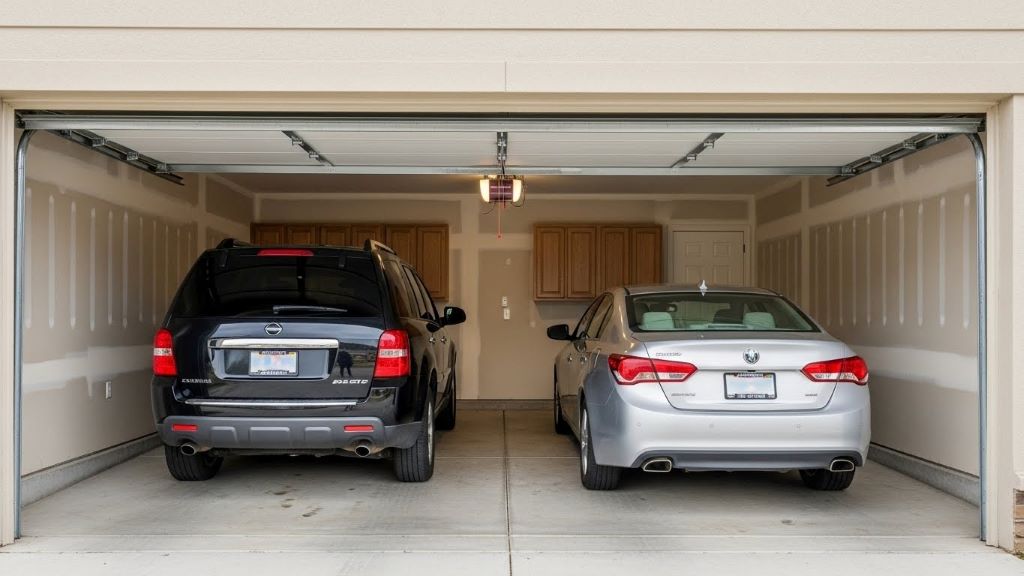
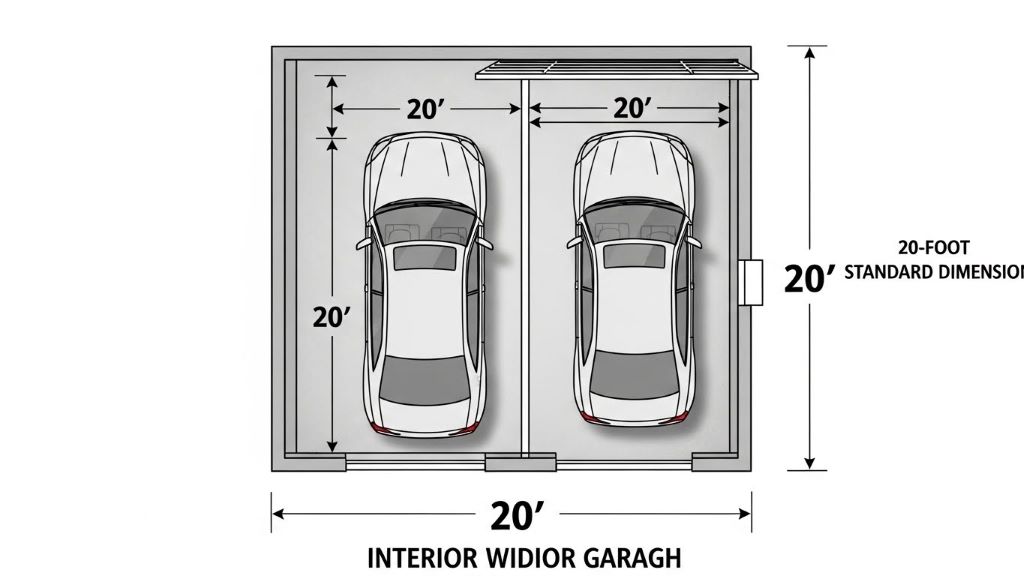
A standard two-car garage typically measures between 18 and 20 feet wide. However, the most common width is 20 feet, which provides adequate space for two vehicles to park side by side. This measurement refers to the interior width of the garage, giving drivers enough room to open doors comfortably and move around their vehicles.
The 20-foot width has become the industry standard because it balances functionality with construction costs. Additionally, this dimension works well for most residential lots without consuming excessive space. Many local building codes also reference this standard when setting minimum requirements for garages.
Minimum Width Requirements
The absolute minimum width for a two-car garage is typically 18 feet. This dimension allows two compact or mid-size vehicles to fit, though space will be tight. At this width, opening car doors becomes challenging, and there is little room for storage along the walls.
Furthermore, an 18-foot garage may not accommodate larger vehicles like trucks or SUVs comfortably. Therefore, most experts recommend going wider if your budget and property allow. Building codes in many areas may also specify minimum widths, so checking local regulations is important before construction begins.
Ideal Width for Comfort and Functionality
For optimal comfort and usability, a 22 to 24-foot width is ideal for a two-car garage. This extra space provides several benefits that enhance daily use and increase home value. Wider garages accommodate larger vehicles without difficulty and allow for generous door clearance on both sides.
Moreover, the additional width creates room for storage cabinets, workbenches, or shelving units along the walls. Homeowners can also install bike racks, garden tool organizers, or seasonal storage without compromising parking space. Consequently, many custom homes and upscale properties feature garages in this wider range.
Factors That Influence Garage Width
Several factors determine the appropriate width for your two-car garage. Understanding these considerations helps you make informed decisions during the planning stage.
The size of your vehicles plays a primary role. Compact cars require less space than full-size trucks or SUVs. Therefore, measure your current vehicles and consider future purchases when planning garage dimensions.
Storage needs also impact the ideal width. If you plan to store lawn equipment, sports gear, or tools in your garage, adding extra width proves beneficial. Similarly, if you work on DIY projects or need a workshop area, additional space becomes necessary.
Local building codes and zoning regulations may establish minimum dimensions for garages. These requirements vary by municipality, so consulting with local authorities ensures compliance. Additionally, your property size and setback requirements might limit how wide you can build.
Budget considerations naturally affect garage dimensions as well. Wider garages cost more to construct due to increased materials and labor. However, building slightly wider initially often proves more cost-effective than expanding later.
Garage Door Width Considerations
The garage door width directly relates to the overall garage width. For a two-car garage, a standard double door measures 16 feet wide. This size allows most vehicles to enter and exit comfortably when parked side by side.
Some homeowners prefer installing two single doors instead of one double door. Each single door typically measures 8 to 9 feet wide. This configuration offers flexibility, allowing you to open just one side when needed. However, a center post between the doors reduces interior space slightly.
According to resources like This Old House, proper door sizing is crucial for functionality and curb appeal. The door width should be proportional to the overall garage dimensions to maintain aesthetic balance.
Depth Considerations for Two-Car Garages
While width is important, depth also matters significantly. Standard two-car garages typically measure 20 to 24 feet deep. This depth accommodates most vehicles, which range from 15 to 19 feet long, while leaving space for storage or movement at the front or rear.
A 20-foot depth works for most cars and small SUVs. However, larger vehicles like pickup trucks or full-size SUVs may require 22 to 24 feet of depth. Therefore, considering your vehicle’s length when planning garage depth prevents future frustration.
Regional Variations in Garage Standards
Garage dimensions can vary based on geographic location and regional preferences. In areas where trucks and large SUVs are popular, wider garages are more common. Conversely, urban areas with smaller lots may see more compact garage designs.
Climate also influences garage design. In regions with harsh winters, homeowners often prefer larger garages that provide additional protected storage space. Meanwhile, in milder climates, outdoor storage options may reduce the need for expansive garages.
Impact on Home Value
Garage size directly affects home value and marketability. Properties with appropriately sized two-car garages typically sell faster and command higher prices than those with substandard garages. Real estate professionals consistently identify garage space as a key selling point.
According to research cited by Realtor.com, adding or expanding a garage can provide a significant return on investment. Buyers actively seek homes with functional garage space, making proper sizing a smart financial decision.
Common Mistakes to Avoid
Many homeowners make errors when planning garage dimensions. Building too narrow is the most common mistake, resulting in cramped quarters and difficulty accessing vehicles. This issue becomes especially problematic when family vehicle needs change over time.
Another mistake involves failing to account for storage needs. A garage that perfectly fits two cars but offers no storage space becomes frustrating quickly. Planning for future needs prevents costly expansions or renovations later.
Ignoring local building codes can lead to compliance issues and potential fines. Always verify regulations before beginning construction. Additionally, not considering door opening clearance causes daily inconvenience for residents.
Planning Your Garage Construction
When planning a new garage, start by measuring your current vehicles and any future vehicles you anticipate owning. Add at least three feet of clearance on each side for door opening and movement. This calculation provides your minimum width requirement.
Next, consider your storage needs and lifestyle. If you enjoy woodworking, car maintenance, or need extensive storage, add four to six feet to your minimum width. Creating a detailed floor plan helps visualize how the space will function.
Consulting with a qualified contractor or architect ensures your design meets building codes and structural requirements. These professionals can also suggest cost-effective solutions that maximize space without exceeding your budget.
Conclusion
A standard two-car garage measures 20 feet wide, though dimensions between 18 and 24 feet are common depending on needs and budget. The ideal width depends on your vehicle sizes, storage requirements, and long-term plans. While 18 feet represents the minimum, 22 to 24 feet provides optimal comfort and functionality. Therefore, carefully considering these factors during the planning stage ensures your garage serves your needs effectively for years to come. Proper sizing not only enhances daily convenience but also protects your investment by increasing home value and marketability.
Frequently Asked Questions
What is the minimum width for a two-car garage?
The minimum width for a two-car garage is typically 18 feet, though this provides very tight clearance. Most building codes specify this minimum, but 20 feet is recommended for comfortable use with adequate door opening space.
Can I fit two SUVs in a 20-foot wide garage?
Yes, most mid-size SUVs will fit in a 20-foot wide garage, but space will be limited. For full-size SUVs or trucks, a 22 to 24-foot width provides more comfortable clearance and easier access.
How much does it cost to widen an existing garage?
Widening an existing garage typically costs between $10,000 and $30,000, depending on the extent of modifications needed. This includes structural changes, new garage doors, and matching exterior finishes to your home.
What is the difference between interior and exterior garage width?
Interior width measures the usable space inside the garage between walls. Exterior width includes the wall thickness, typically adding 8 to 12 inches to the total dimension. Always plan based on interior measurements for functionality.
Do I need a permit to build a two-car garage?
Yes, most municipalities require building permits for new garage construction. Permits ensure your garage meets local building codes, zoning regulations, and safety standards. Always check with your local building department before starting construction.
Related Topics:
Taming the Beast: Flatbed Truck ToolBox Ideas for Every Trade