Building a polished office wardrobe takes more than adding extra clothing pieces. Many professionals assume more layers always create a smarter appearance, yet styling mistakes often produce bulky and uncomfortable outfits. According to workplace surveys, first impressions form within seconds, while clothing strongly influences professional perception. Likewise, weather reports show Chicago experiences dramatic seasonal temperature changes throughout the year. Before planning daily outfits, exploring button up outfit ideas helps create flexible combinations without unnecessary layers that reduce comfort or confidence.
Understanding Why Layering Often Goes Wrong
Many office workers misunderstand the purpose of layering and focus only on adding more garments. Instead, successful layering creates balance, comfort, and a polished appearance throughout changing indoor conditions.
Heavy sweaters over thick shirts quickly create unnecessary volume around the shoulders and waist. Additionally, poor proportions reduce mobility and make professional clothing appear oversized rather than refined.
Many people ignore fabric weight when combining office clothing during cooler mornings. Likewise, mixing lightweight cotton with bulky wool often creates awkward silhouettes that never feel comfortable.
Professional styling depends on selecting complementary pieces instead of competing garments. For example, learning style a polo shirt properly demonstrates how fewer layers often deliver sharper business casual results.
Common Layering Mistakes That Hurt Professional Style
Choosing Bulky Outer Layers
Oversized cardigans and thick jackets often hide tailored clothing underneath completely. Consequently, office outfits lose structure and appear less intentional throughout the workday.
Ignoring Indoor Temperatures
Modern offices maintain comfortable indoor temperatures regardless of outside weather conditions. Therefore, wearing excessive layers frequently causes discomfort before lunchtime even arrives.
Mixing Too Many Textures
Combining fleece, chunky knits, quilted fabrics, and heavy cotton creates unnecessary visual clutter. Instead, smoother fabrics maintain cleaner lines that support a professional appearance.
Using Too Many Colors
Several bold colors stacked together distract attention from overall outfit coordination. Moreover, neutral foundations make seasonal accessories look intentional without overwhelming workplace style.
How Chicago Weather Creates Layering Challenges
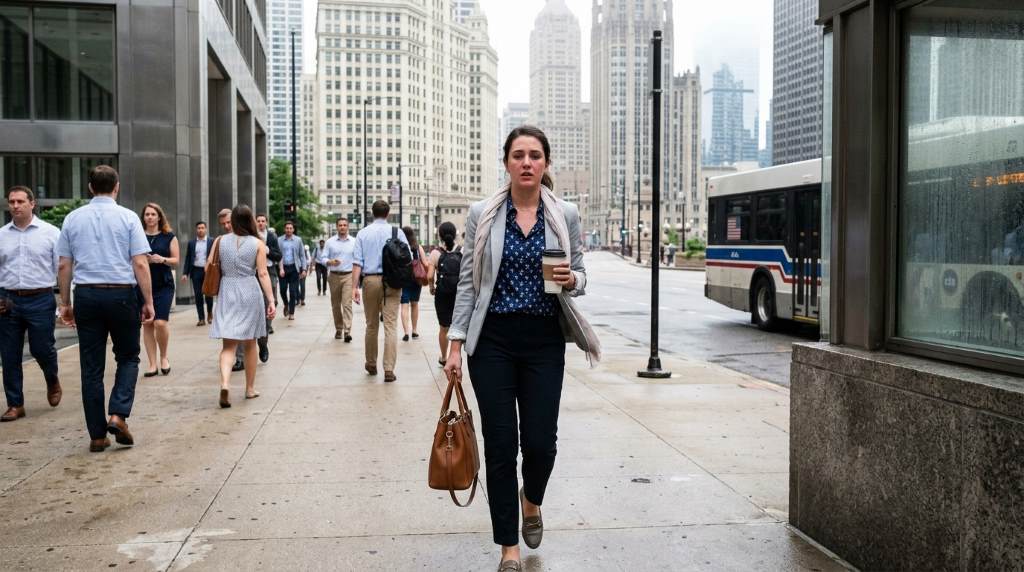
Daily weather changes encourage people to prepare for every possible temperature shift. However, carrying removable outerwear usually works better than wearing every layer simultaneously.
Morning commutes often feel much colder than office environments later during the day. Consequently, adaptable clothing provides greater comfort without creating excessive bulk inside professional settings.
Humidity, wind, and sudden temperature swings complicate wardrobe planning throughout many seasons. Likewise, understanding style opium fashion reminds professionals that every trend requires practical workplace adaptation.
Building Smarter Layered Office Outfits
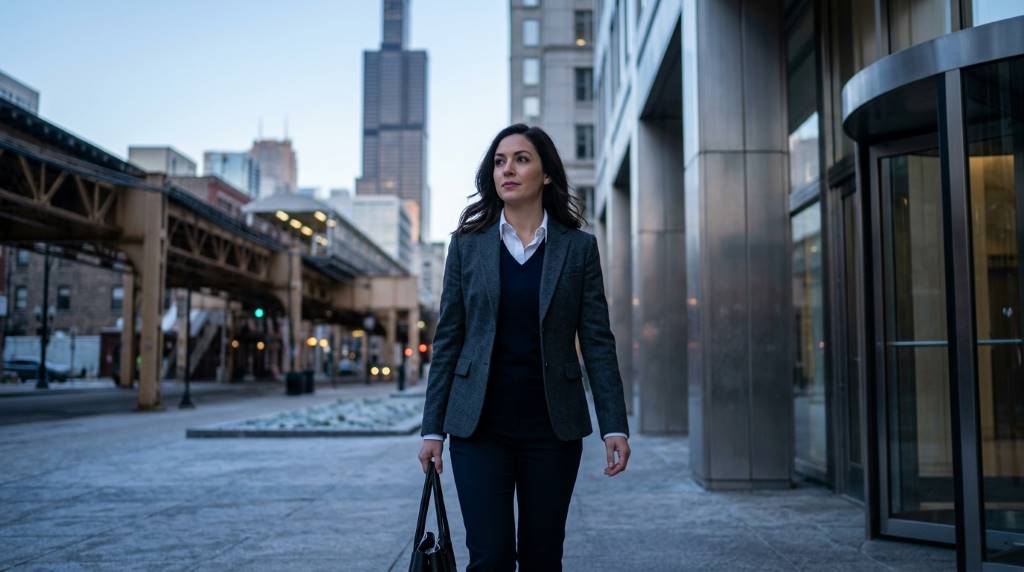
Effective office layering starts with lightweight foundation pieces that breathe comfortably all day. Next, add one structured middle layer before finishing with weather appropriate outerwear when necessary.
Tailored blazers improve professional appearance while maintaining flexibility for changing office temperatures. Additionally, lightweight knitwear offers warmth without creating unnecessary thickness around the torso.
Quality fabrics perform better than simply increasing the number of clothing pieces worn daily. Therefore, investing in breathable materials often produces more consistent comfort and polished style.
Ideal Layering Formula
- Lightweight button shirt
- Fine knit sweater or cardigan
- Tailored blazer if required
- Weather appropriate outer coat
- Simple accessories with minimal bulk
Choosing Better Fabrics for Layering
Fabric selection determines how comfortable layered clothing feels during long office hours. Consequently, breathable materials reduce overheating while maintaining a neat professional appearance.
Cotton remains an excellent foundation because it absorbs moisture while staying comfortable throughout busy schedules. Meanwhile, lightweight merino wool provides warmth without excessive thickness or stiffness.
Stretch blends improve movement during meetings, commuting, and daily workplace activities. Likewise, wrinkle resistant materials help maintain a fresh appearance from morning until evening.
Balancing Comfort and Professional Appearance
Comfort directly influences confidence during presentations, meetings, and client interactions throughout busy workdays. Therefore, practical clothing choices often create stronger professional impressions than complicated styling.
Properly fitted clothing naturally looks more polished than oversized garments with excessive layers. Furthermore, simple outfit combinations reduce decision fatigue before leaving home every morning.
Office wardrobes should support productivity rather than creating constant adjustments throughout the day. As a result, functional layering improves both appearance and workplace performance.
Simple Tips for Better Office Layering
- Select lightweight base garments.
- Choose fitted middle layers.
- Keep colors coordinated.
- Avoid excessive accessories.
- Prioritize breathable fabrics.
- Carry outerwear instead of wearing everything indoors.
- Focus on proper garment fit.
Conclusion
Layered office outfits fail when people prioritize quantity instead of balance, comfort, and proportion. Smart fabric choices, better fit, and thoughtful combinations create polished professional looks without unnecessary bulk.
Review your current office wardrobe and simplify your layering strategy before your next workweek. Small improvements today can create lasting confidence, comfort, and stronger professional style every day.
Frequently Asked Questions
Why do layered office outfits often look bulky?
Too many thick garments create unnecessary volume that hides proper clothing structure.
Which fabrics work best for office layering?
Lightweight cotton, merino wool, and breathable stretch blends provide comfort and flexibility.
How many layers should an office outfit include?
Most professional outfits work best with a base layer, one middle layer, and outerwear when needed.
Can layering still look professional?
Yes, balanced proportions and fitted clothing create polished layered office outfits.
What is the biggest layering mistake?
Adding unnecessary bulky garments instead of selecting lightweight, complementary pieces causes the most common styling problems.